The Ultimate Guide to Body Composition Metrics: What They Mean for Your Health

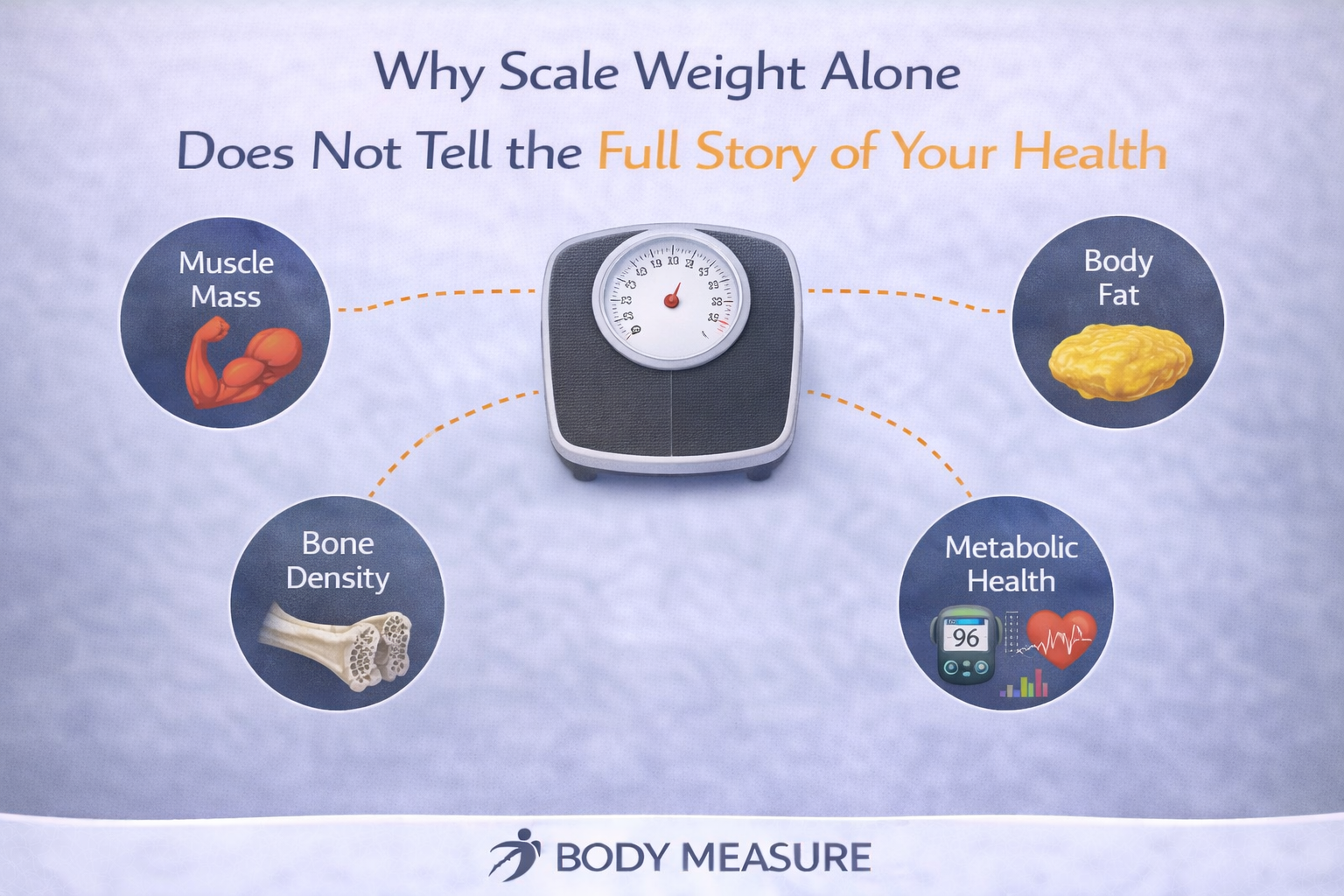
For many people, body weight is the primary way they monitor their health. Bathroom scales are easy to use and provide a simple number that can be tracked over time. However, body weight alone does not reveal what that weight actually represents.

Two individuals with the same body weight can have very different body compositions. One person may have a higher proportion of lean muscle, while another may carry a higher amount of body fat. Because the scale cannot distinguish between these components, it often provides only a limited view of overall health.

Body composition analysis offers a more meaningful way to understand how the body is structured. Instead of focusing only on total weight, body composition examines the different tissues that make up the body, including fat mass, lean muscle mass and bone density. These measurements provide insight into how the body stores energy, maintains strength and supports long term health.

DEXA scanning is widely considered one of the most accurate methods for analysing body composition. By measuring multiple components of the body with a high level of precision, it allows individuals to understand the key metrics that influence health, fitness and physical performance.

Understanding these body composition metrics can help individuals move beyond the limitations of scale weight and gain a clearer perspective on how their body is changing over time.

Key Takeaways

  • Body composition provides a deeper understanding of health than body weight alone.
  • Metrics such as fat mass, lean muscle mass and visceral fat reveal how the body is structured.
  • Bone density is an important factor in long term skeletal health.
  • Understanding body composition metrics can help individuals track meaningful changes over time.
  • DEXA scans provide one of the most accurate ways to measure body composition.

Summary Table: Key Body Composition Metrics Explained

MetricWhat It MeasuresWhy It Matters
Body Fat PercentagePercentage of body weight made up of fat tissueHelps provide an overview of body composition
Fat MassTotal amount of fat tissue in the bodyImportant for understanding energy storage and metabolic health
Lean Muscle MassWeight of muscle and other lean tissueSupports strength, movement and metabolism
Visceral FatFat stored around internal organsLinked to metabolic health indicators
Bone Mineral DensityDensity and strength of bonesImportant for skeletal health and ageing
Regional Body CompositionDistribution of fat and muscle across body regionsHelps identify body balance and distribution patterns

Why Body Composition Matters More Than Body Weight

Body weight has long been used as a simple indicator of health and fitness. While it can provide a general snapshot, it does not distinguish between the different tissues that make up the body. Muscle, fat, bone and water all contribute to total body weight, yet each plays a very different role in overall health.

Because of this, two individuals with identical body weights can have very different body compositions. One person may have a higher proportion of lean muscle, while another may carry a higher amount of body fat. From a health perspective, these differences can be significant even though the scale displays the same number.

Weight can also fluctuate due to short term factors such as hydration levels, food intake or changes in training intensity. These fluctuations may occur even when body composition remains relatively stable.

Body composition analysis provides a more detailed understanding of what the body is made of. By measuring the proportion of fat mass, lean muscle mass and bone density, individuals can gain a clearer perspective on how their body is changing. This allows progress to be tracked more accurately than relying on weight alone.

Understanding body composition is particularly useful for those focused on improving fitness, supporting metabolic health or maintaining strength as they age. Instead of focusing solely on weight loss, individuals can monitor changes in the specific components that influence long term wellbeing.

Body Fat Percentage: What It Really Means

Body fat percentage represents the proportion of total body weight that consists of fat tissue. This metric provides a broad overview of body composition and is one of the most commonly discussed indicators in health and fitness.

While body fat plays an essential role in the body, including supporting hormone function, insulation and energy storage, excess body fat can be associated with metabolic health concerns. For this reason, body fat percentage is often used as a reference point when evaluating body composition.

However, body fat percentage should always be interpreted in context. The same percentage may represent different health profiles depending on factors such as age, gender and muscle mass. In addition, body fat percentage alone does not indicate where fat is stored within the body.

DEXA scanning helps provide greater clarity by measuring body fat percentage alongside other metrics such as fat mass, lean muscle mass and visceral fat. This allows individuals to view body fat levels as part of a broader body composition profile rather than relying on a single number.

When monitored over time, body fat percentage can also help individuals track meaningful changes in body composition, particularly when combined with other measurements that provide additional context.

Fat Mass vs Lean Mass: Understanding the Balance

Body composition is often described as the balance between fat mass and lean mass. Understanding the difference between these two components provides valuable insight into how the body functions and adapts to lifestyle changes.

Fat mass refers to the total amount of fat tissue stored in the body. This includes both subcutaneous fat, which is stored beneath the skin, and visceral fat, which surrounds internal organs. Fat tissue serves important roles such as energy storage, insulation and hormone regulation. However, the amount and distribution of fat within the body can influence metabolic health.

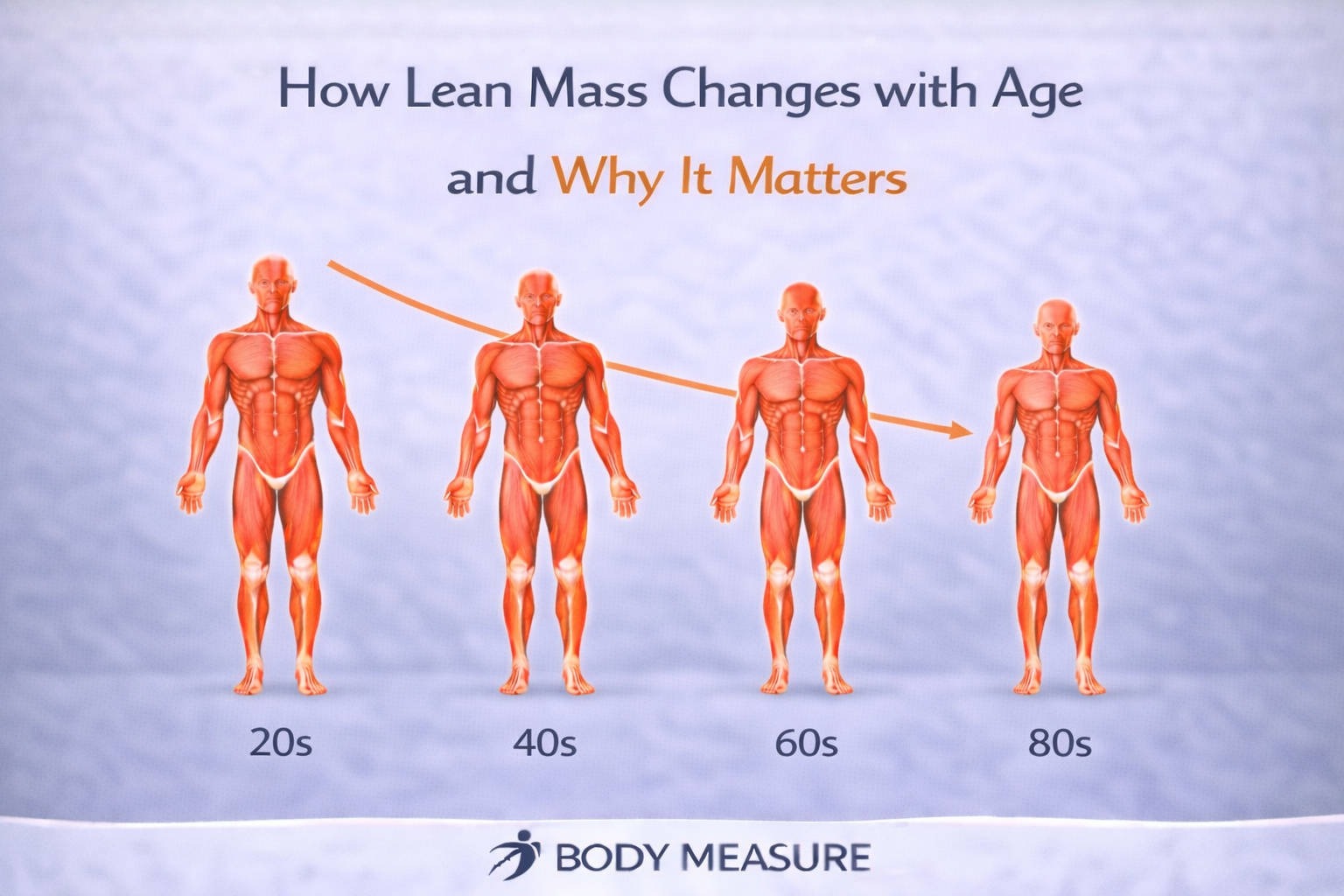
Lean mass includes all non fat tissue in the body. This includes skeletal muscle, organs, connective tissue and body water. Skeletal muscle is particularly important because it supports movement, strength and physical performance. Muscle tissue also contributes to metabolic activity, meaning it plays a role in how the body uses energy.

The balance between fat mass and lean mass can vary significantly between individuals. Two people may have the same body weight but very different proportions of fat and muscle. Because of this, body composition measurements provide far more meaningful insight than weight alone.

DEXA scanning measures both fat mass and lean mass with a high level of precision. This allows individuals to understand how their body is structured and monitor how these components change over time.

Visceral Fat: The Fat You Cannot See

Not all body fat behaves the same way. One of the most important distinctions in body composition analysis is the difference between subcutaneous fat and visceral fat.

Subcutaneous fat is stored directly beneath the skin and is the type of fat most visible on the body. Visceral fat, on the other hand, is stored deeper within the abdominal cavity and surrounds internal organs such as the liver and intestines.

Because visceral fat is located around vital organs, it is often discussed in relation to metabolic health. Elevated levels of visceral fat have been associated with various health risk factors, which is why understanding its presence can provide valuable insight into overall wellbeing.

One of the advantages of DEXA scanning is its ability to estimate visceral fat levels. Unlike scales or simple body measurements, DEXA can assess fat distribution within the abdominal region, helping individuals gain a clearer picture of how fat is stored in the body.

This information allows people to move beyond assumptions about body shape and instead rely on measurable data when evaluating body composition. Tracking visceral fat over time can also help individuals observe trends as lifestyle habits or training routines evolve.

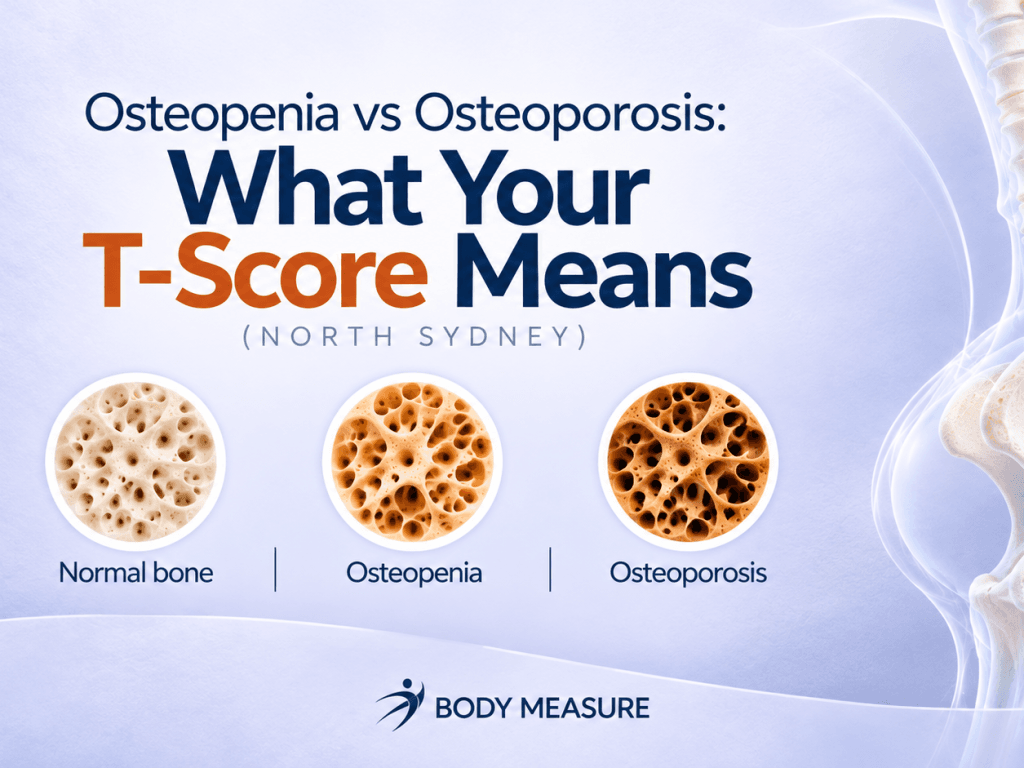
Bone Mineral Density: A Critical Metric for Long Term Health

Bone mineral density refers to the strength and density of the bones. Healthy bones provide structural support for the body, protect vital organs and allow movement through their connection with muscles and joints.

Bone density naturally changes throughout life. During younger years the body builds bone mass, reaching peak bone density in early adulthood. As people age, bone density can gradually decline. This process may accelerate during certain life stages, such as menopause, when hormonal changes influence bone health.

Because bone loss often occurs gradually and without noticeable symptoms, it may go undetected without measurement. Monitoring bone density allows individuals to gain insight into the strength of their bones and observe how it changes over time.

DEXA scanning is widely recognised as the gold standard method for measuring bone mineral density. The technology can detect even small changes in bone density, allowing trends to be tracked with precision. These measurements are commonly used in clinical settings to assess skeletal health and identify potential risk factors for conditions such as osteoporosis.

Including bone density within a broader body composition assessment provides a more complete view of overall health. While muscle and fat measurements are often discussed in relation to fitness, bone health remains a critical component of long term physical wellbeing.

Regional Body Composition: Where Fat and Muscle Are Stored

In addition to measuring overall body fat and muscle mass, DEXA scanning also provides insight into how these tissues are distributed across different regions of the body. This is known as regional body composition.

Rather than treating the body as a single measurement, regional analysis divides the body into sections such as the arms, legs and trunk. This allows differences in fat and muscle distribution to be examined more closely.

For example, some individuals may store a larger proportion of fat in the abdominal region, while others may carry more fat in the hips or thighs. Similarly, lean muscle mass may be distributed unevenly between the upper and lower body depending on physical activity patterns and training habits.

Understanding these patterns can provide useful context when evaluating body composition. Athletes may use regional measurements to monitor muscle balance and track training adaptations, while others may simply use the information to gain a clearer understanding of their body.

DEXA scans provide detailed regional analysis, allowing changes in fat and muscle distribution to be tracked over time. This level of insight helps individuals move beyond general assumptions and instead rely on precise measurements when evaluating body composition.

Why Accurate Measurement Matters

Understanding body composition metrics is valuable, but the accuracy of those measurements plays an equally important role. Many commonly used tools attempt to estimate body composition using indirect methods. For example, some smart scales and fitness devices use bioelectrical impedance analysis, which estimates fat and muscle levels based on how electrical signals move through the body.

While these devices can sometimes provide useful trends, their results can be influenced by several factors such as hydration levels, food intake, recent exercise and even skin temperature. Because of this, the measurements they produce are often estimates rather than direct assessments of body composition.

Clinical measurement methods provide a higher level of accuracy. DEXA scanning uses dual energy X ray technology to distinguish between fat tissue, lean tissue and bone. This allows body composition to be measured with much greater precision than most consumer level tools.

Another advantage of DEXA is consistency. When scans are repeated using the same protocols, they allow changes in body composition to be tracked reliably over time. This is particularly useful for individuals monitoring fitness progress, managing body composition goals or observing long term health trends.

Accurate measurement helps ensure that changes observed in body composition reflect genuine physiological adaptations rather than short term fluctuations or measurement error.

Final Thoughts

Body composition metrics provide a deeper understanding of health than body weight alone. By examining the different tissues that make up the body, individuals can gain insight into how fat, muscle and bone contribute to overall wellbeing.

Metrics such as body fat percentage, lean muscle mass, visceral fat and bone density each offer valuable information about how the body is structured and how it may change over time. When viewed together, these measurements create a more complete picture of health.

DEXA scanning provides one of the most accurate ways to measure these metrics. By combining precision measurement with the ability to track changes over time, it allows individuals to move beyond simple weight tracking and instead monitor meaningful aspects of body composition.

For those interested in understanding their body more clearly, body composition analysis can provide a powerful tool for supporting long term health, fitness and performance.

FAQs Answered

What body composition metrics does a DEXA scan measure?

A DEXA scan measures several key components of body composition, including body fat percentage, fat mass, lean muscle mass, visceral fat and bone mineral density. These measurements provide a detailed overview of how the body is structured.

Which body composition metric is most important for health?

No single metric provides a complete picture of health. Body composition is best understood by examining several measurements together, including fat mass, lean muscle mass and bone density. Viewing these metrics collectively provides more meaningful insight than focusing on a single number.

How accurate are DEXA body composition measurements?

DEXA scans are widely regarded as one of the most accurate methods available for measuring body composition. The technology can distinguish between fat tissue, lean tissue and bone with a high level of precision, making it commonly used in medical and research settings.

Can body composition improve even if body weight stays the same?

Yes. It is possible to lose fat while gaining muscle at the same time. In these cases, total body weight may remain relatively stable even though body composition has improved. This is why body composition analysis can provide more useful insight than scale weight alone.

Where can I get a body composition scan in Sydney?

Body composition scanning is available through specialised clinics that offer advanced health assessments. In Sydney, Body Measure provides medical grade DEXA body composition scans designed to measure fat mass, lean muscle mass and bone density with high precision.