The Cost of a DEXA Scan in Australia: Is it Worth the Investment?

When people begin researching DEXA scans, one of the first questions they ask is how much the test costs. This is a natural starting point. Before booking any health assessment, most people want to understand what they are paying for and whether the information provided will be valuable.

However, the cost of a DEXA scan in Australia can vary depending on the type of scan being performed and the purpose of the assessment. In many cases, the term “DEXA scan” is used to describe two different services. One is a medical bone mineral density test used to assess osteoporosis risk. The other is a body composition scan used to measure fat mass, lean muscle mass and bone mass for health, fitness and performance monitoring.

Because these tests serve different purposes and follow different clinical pathways, their pricing structures can differ as well.

For individuals interested in body composition, a DEXA scan can provide detailed insight into how fat, muscle and bone are distributed throughout the body. When used correctly, this information can help guide training decisions, nutrition strategies and long-term health planning.

Understanding what influences the cost of a DEXA scan can help you decide whether the investment aligns with your health or fitness goals.

Key Takeaways

  • The term “DEXA scan” can refer to either a bone density test or a body composition assessment.
  • Costs vary depending on the purpose of the scan and the type of reporting required.
  • Body composition DEXA scans are typically provided through private clinics.
  • High-quality DEXA scans rely on medical-grade equipment and consistent scanning protocols.
  • The value of a DEXA scan increases when results are used to guide training, nutrition or health decisions.
  • Repeat scans over time provide the most meaningful insight into body composition changes.

Summary Table: What Influences the Cost of a DEXA Scan

FactorWhat It InvolvesWhy It Affects Cost
Type of DEXA ScanBody composition analysis or bone mineral density testingDifferent clinical purposes and reporting requirements
Equipment and TechnologyMedical-grade dual-energy X-ray absorptiometry systemsHigher precision equipment improves accuracy and consistency
Scan ProtocolsStandardised positioning and scanning proceduresConsistency ensures reliable results across repeat scans
Reporting DetailBreakdown of fat mass, lean mass, bone mass and regional analysisMore detailed reports provide deeper insights into body composition
Clinical OversightProfessional administration and interpretation of resultsExpertise helps ensure results are accurate and useful
Repeat ScansComparing results across multiple scansLong-term tracking provides more meaningful insights than a single measurement

What “DEXA Scan Cost” Usually Refers to in Australia

When people search online for the cost of a DEXA scan, they are often referring to two different types of tests without realising it. Although both use the same underlying technology, the purpose of the scan and the information provided can be quite different.

The first type is a bone mineral density (BMD) scan, which is used in medical settings to assess bone health and monitor conditions such as osteoporosis. These scans typically focus on specific areas of the body, such as the hip and spine, and are used by doctors to evaluate fracture risk and bone density changes over time.

The second type is a DEXA body composition scan, which measures how the body is made up in terms of fat mass, lean muscle mass and bone mass. These scans are commonly used in health, fitness and performance settings to track body composition changes, monitor visceral fat levels and better understand how the body responds to training or nutrition strategies.

Because these two tests serve different purposes, the pricing and access pathways can vary. Medical bone density scans may sometimes be accessed through referral pathways in clinical environments, while body composition scans are generally provided through specialised private clinics.

For individuals focused on fitness progress, metabolic health or body recomposition, body composition scanning is usually the type of DEXA scan being sought.

Body Composition DEXA vs Bone Density DEXA: Why Pricing and Pathways Differ

Although both assessments use dual-energy X-ray absorptiometry technology, body composition scans and bone density scans are designed for different outcomes.

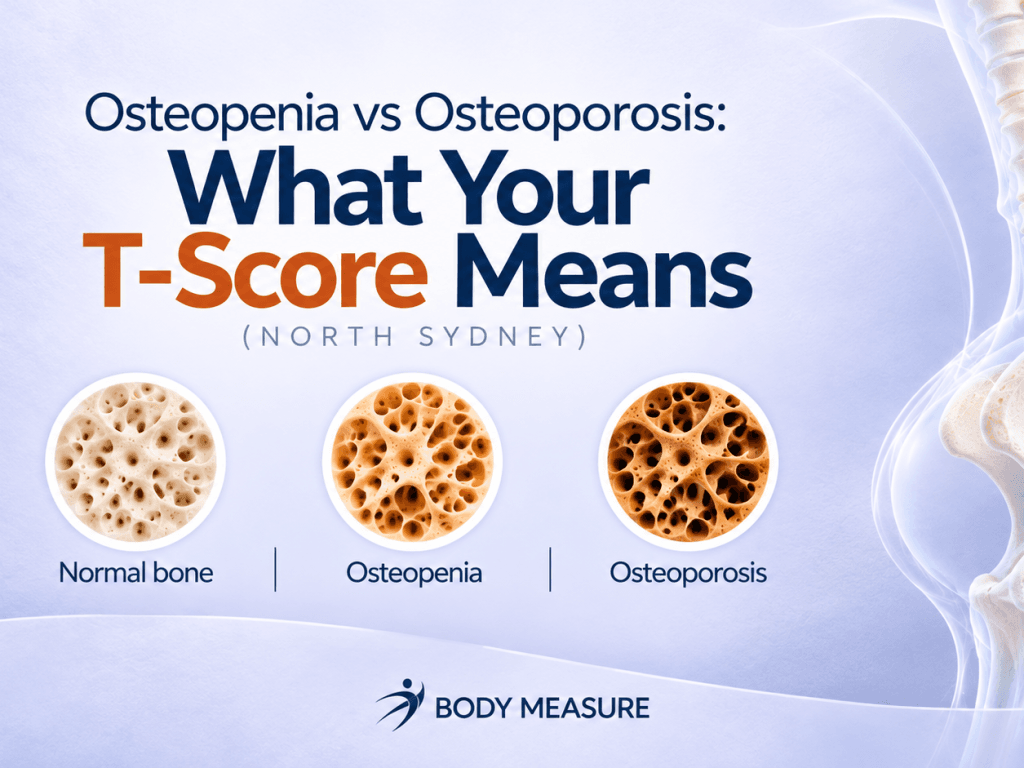
A bone density DEXA scan is a clinical test used to diagnose or monitor osteoporosis and related bone health conditions. These scans are performed using specific protocols that examine key skeletal areas such as the lumbar spine and hip. In medical contexts, the results are often interpreted using T-scores and Z-scores that help clinicians assess bone strength and fracture risk.

A body composition DEXA scan, on the other hand, provides a full-body analysis. It measures how much of the body is made up of fat tissue, lean muscle and bone, and it also examines how these tissues are distributed throughout the body. Many people use this information to track fat loss, muscle gain or overall changes in body composition during a training or lifestyle program.

Because of these differences, the service pathways and pricing structures are not the same. Bone density scans are usually performed within clinical or hospital settings and may involve medical referrals depending on the situation. Body composition scans are typically offered through private clinics that specialise in advanced body composition testing.

At Body Measure, DEXA scans are offered as a private body composition assessment designed to provide clear, accurate insights into how the body is changing over time. These scans focus on detailed body composition analysis rather than medical bone density diagnosis.

What You’re Paying for in a High Quality DEXA Body Composition Scan

When comparing the cost of a DEXA scan, it helps to understand what contributes to the quality and reliability of the assessment. A high quality scan involves more than simply stepping onto a machine and receiving a report. Accuracy, consistency and clear interpretation all play an important role in the value of the test.

One of the most important factors is the technology itself. DEXA systems use dual energy X-ray absorptiometry to measure the different tissues in the body. Medical grade systems are designed to provide precise measurements of fat mass, lean muscle mass and bone mass, allowing small changes in body composition to be detected over time.

Another important element is consistent scanning protocols. Proper positioning during the scan ensures the data collected is reliable and repeatable. When the same protocol is followed each time, repeat scans can be compared accurately to identify genuine changes in body composition rather than measurement variation.

A quality DEXA body composition scan also provides detailed reporting. Instead of simply estimating body fat percentage, the scan breaks down fat and lean mass across different regions of the body such as the arms, legs and trunk. This regional analysis helps individuals understand where changes are occurring.

Finally, clear interpretation of results adds significant value. Data alone can be difficult to interpret without context. Understanding how fat distribution, muscle balance and visceral fat levels relate to health and performance can help individuals make more informed decisions about training, nutrition and lifestyle strategies.

When these elements come together, a DEXA scan becomes more than a measurement. It becomes a tool for understanding how the body is changing and how future health or performance decisions can be guided.

When a DEXA Scan Is Worth the Investment

For many people, the value of a DEXA scan comes from the insight it provides rather than the scan itself. When body composition data helps guide decisions around health, training or nutrition, the information can be far more meaningful than simple weight tracking.

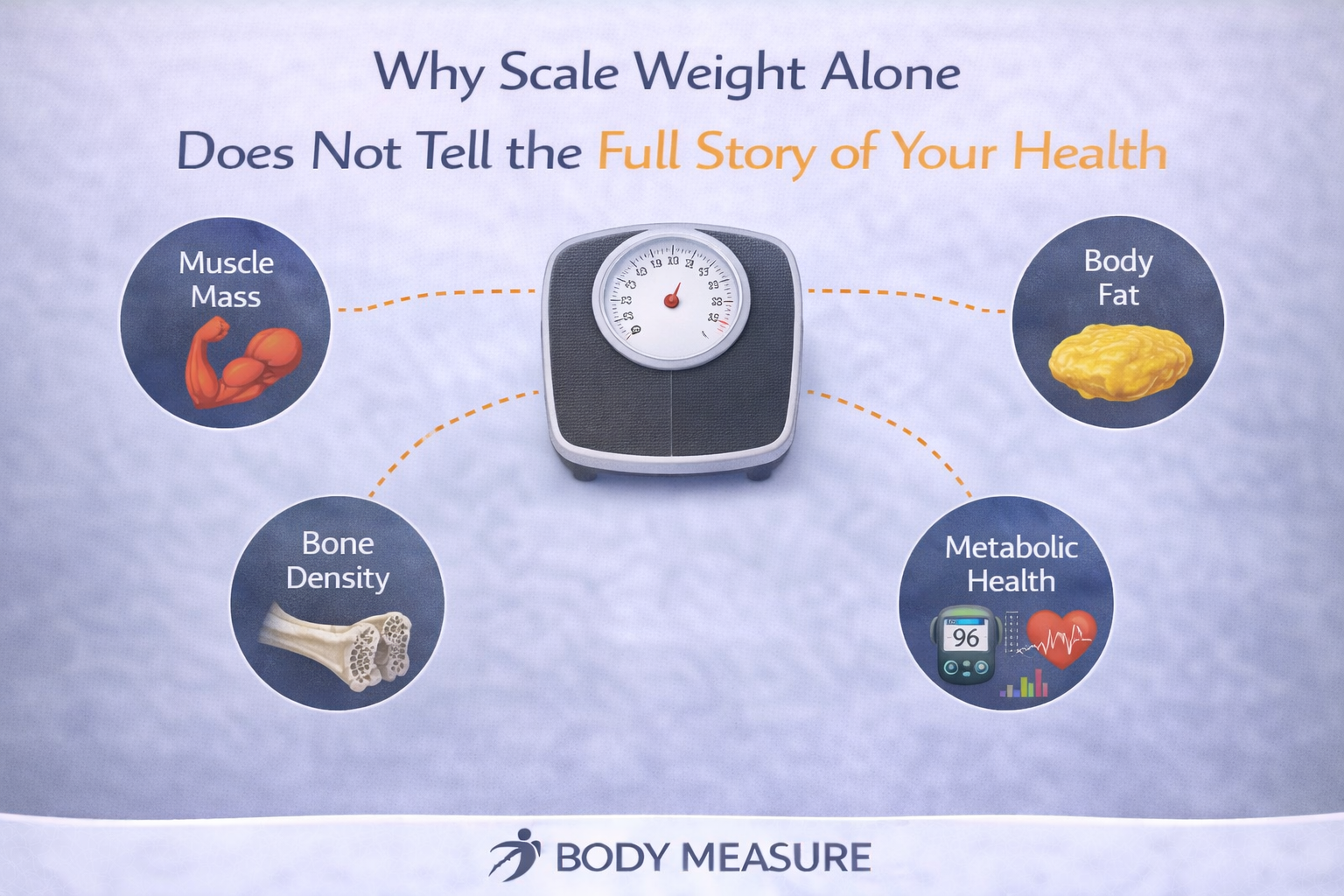
DEXA scans are particularly useful when scale weight alone does not explain progress. Someone may be following a structured training program and feel stronger, fitter or leaner, yet the number on the scale may not change significantly. In these situations, a body composition scan can reveal whether fat mass has decreased while lean muscle mass has increased.

They can also be valuable for individuals focused on body recomposition. This refers to improving the balance between fat mass and lean muscle mass rather than simply losing weight. Tracking these changes requires a measurement method that can distinguish between different tissue types.

Another common use is monitoring visceral fat, which is fat stored around the internal organs in the abdominal region. Higher levels of visceral fat are associated with increased metabolic and cardiovascular risk. DEXA scans provide an estimate of visceral fat levels, helping individuals monitor how lifestyle changes may influence this important health marker.

DEXA scans are also used by athletes and fitness enthusiasts who want objective data to evaluate training programs. When performance goals are involved, detailed body composition tracking can provide valuable feedback on whether a program is supporting muscle development, fat loss or recovery.

Ultimately, a DEXA scan tends to provide the most value when the results are used as part of an ongoing approach to health or performance rather than as a one off measurement.

When a DEXA Scan May Not Be Worth It Yet

Although DEXA scans can provide highly accurate insights into body composition, there are situations where booking a scan immediately may not provide the most useful information. Understanding when to wait can help ensure the results are meaningful and worth the investment.

For example, if someone is at the very beginning of a new training or nutrition program, their body composition may not have changed enough yet to produce meaningful data. In these early stages, establishing consistent habits around exercise, nutrition and recovery often has a greater impact than measuring progress too frequently.

DEXA scans are also not designed to track short term fluctuations. Body composition changes typically occur gradually over weeks or months rather than days. Scanning too frequently may highlight normal variation rather than genuine changes in fat or muscle mass.

Another situation where a scan may be less useful is when someone is seeking daily progress validation. DEXA scans are most valuable when used to evaluate longer term trends rather than immediate changes.

Finally, it is important to ensure the right type of scan is being booked for the intended purpose. Someone seeking medical evaluation for osteoporosis may require a bone mineral density scan through a clinical pathway rather than a body composition scan designed for fitness or health monitoring.

In most cases, a DEXA scan becomes far more valuable when it is used as part of a structured plan. Establishing a baseline measurement and repeating the scan after a period of consistent training or lifestyle change allows meaningful trends to be identified.

How Often Should You Repeat a DEXA Scan for Best Value?

The timing of repeat DEXA scans plays an important role in how useful the results will be. Because body composition changes gradually, allowing enough time between scans helps ensure that meaningful changes can be detected.

For individuals focused on fat loss or muscle development, repeating a DEXA scan approximately every 8 to 12 weeks is often appropriate. This timeframe allows sufficient time for genuine changes in fat mass or lean muscle mass to occur.

Shorter intervals may capture normal day to day variation rather than meaningful adaptation. Factors such as hydration levels, recent exercise or nutritional changes can influence short term body composition measurements.

Longer intervals between scans can also be useful depending on the goal. For example, individuals interested in monitoring long term health trends may choose to repeat scans less frequently while still maintaining an accurate record of how their body composition evolves over time.

Consistency is also important when repeating scans. Using the same clinic, equipment and scanning protocol helps ensure that results are comparable between assessments.

At Body Measure, repeat DEXA scans allow individuals to track measurable changes in fat mass, lean muscle mass and overall body composition, helping build a clearer picture of progress over time

Choosing a DEXA Provider in Sydney: What to Look For

If you are considering a DEXA scan, choosing the right provider can make a significant difference in the accuracy and usefulness of the results. While many clinics offer body composition assessments, not all scanning services follow the same standards or protocols.

One of the most important factors to look for is medical-grade DEXA equipment. High quality systems are designed to measure body composition with a high level of precision, allowing fat mass, lean muscle mass and bone mass to be analysed separately.

It is also important that the clinic follows consistent scanning protocols. Proper positioning during the scan ensures results are reliable and repeatable. This is particularly important if you plan to repeat scans over time to track progress.

Another consideration is the clarity of the report provided. A well structured DEXA report should clearly explain body composition results, including fat mass, lean mass distribution and any relevant body composition markers such as visceral fat estimates.

Professional support can also enhance the value of the scan. Having results explained in a clear and practical way helps ensure the information can actually be used to guide health or fitness decisions.

For individuals in Sydney seeking body composition testing, choosing a clinic that prioritises accuracy, consistency and clear reporting can make the results far more meaningful over time.

Final Thoughts

Understanding the cost of a DEXA scan in Australia is an important step when deciding whether the test is worthwhile for your health or fitness goals. While pricing can vary depending on the type of scan and the clinic providing the service, the real value of a DEXA scan lies in the quality of the data it provides.

Unlike traditional weight tracking methods, DEXA scans offer a detailed view of body composition, measuring fat mass, lean muscle mass and bone mass separately. This allows individuals to monitor meaningful changes that may not be visible through scale weight alone.

When used as part of a longer term approach to health, training or body composition monitoring, DEXA scans can provide valuable insight into how the body responds to lifestyle changes.

At Body Measure, DEXA body composition scans are designed to provide clear, reliable information that helps individuals better understand their body composition and track changes over time.

FAQs Answered

How much does a DEXA body composition scan cost in Australia?

The cost of a DEXA body composition scan can vary depending on the clinic, the equipment used and the level of reporting provided. Body composition scans are typically offered through private clinics and focus on measuring fat mass, lean muscle mass and body composition distribution.

Why do DEXA scan prices vary between clinics?

Pricing differences can reflect several factors including the type of DEXA equipment used, the level of reporting provided and the experience of the clinic performing the scan. Clinics that prioritise consistent scanning protocols and clear interpretation of results may provide more detailed insights.

Is a DEXA scan covered by Medicare in Australia?

Some medical bone density scans used to assess osteoporosis risk may be eligible for Medicare rebates depending on specific clinical criteria. Body composition DEXA scans used for health, fitness or performance monitoring are typically offered through private clinics.

What is the difference between a body composition DEXA and a bone density DEXA?

A body composition DEXA scan measures fat mass, lean muscle mass and bone mass across the whole body. A bone density DEXA scan focuses specifically on skeletal areas such as the hip and spine to assess bone mineral density and fracture risk.

How often should I repeat a DEXA scan for weight loss tracking?

For most people, repeating a DEXA scan every 8 to 12 weeks provides enough time for meaningful changes in body composition to occur. This timeframe allows fat loss or muscle development to be detected reliably.

Where can I get a DEXA scan in Sydney?

DEXA body composition scans are available through specialised clinics that offer advanced body composition testing. Body Measure provides DEXA body composition scans in Sydney using medical-grade equipment and consistent scanning protocols designed to support accurate tracking over time.