Many people assume their bodies develop evenly, especially if they train regularly or stay active. In practice, that is not always the case. One arm may carry more lean mass than the other, one leg may recover differently after injury, or the trunk may develop in a way that does not match the limbs. These differences are not always obvious from the mirror, body weight or performance alone.
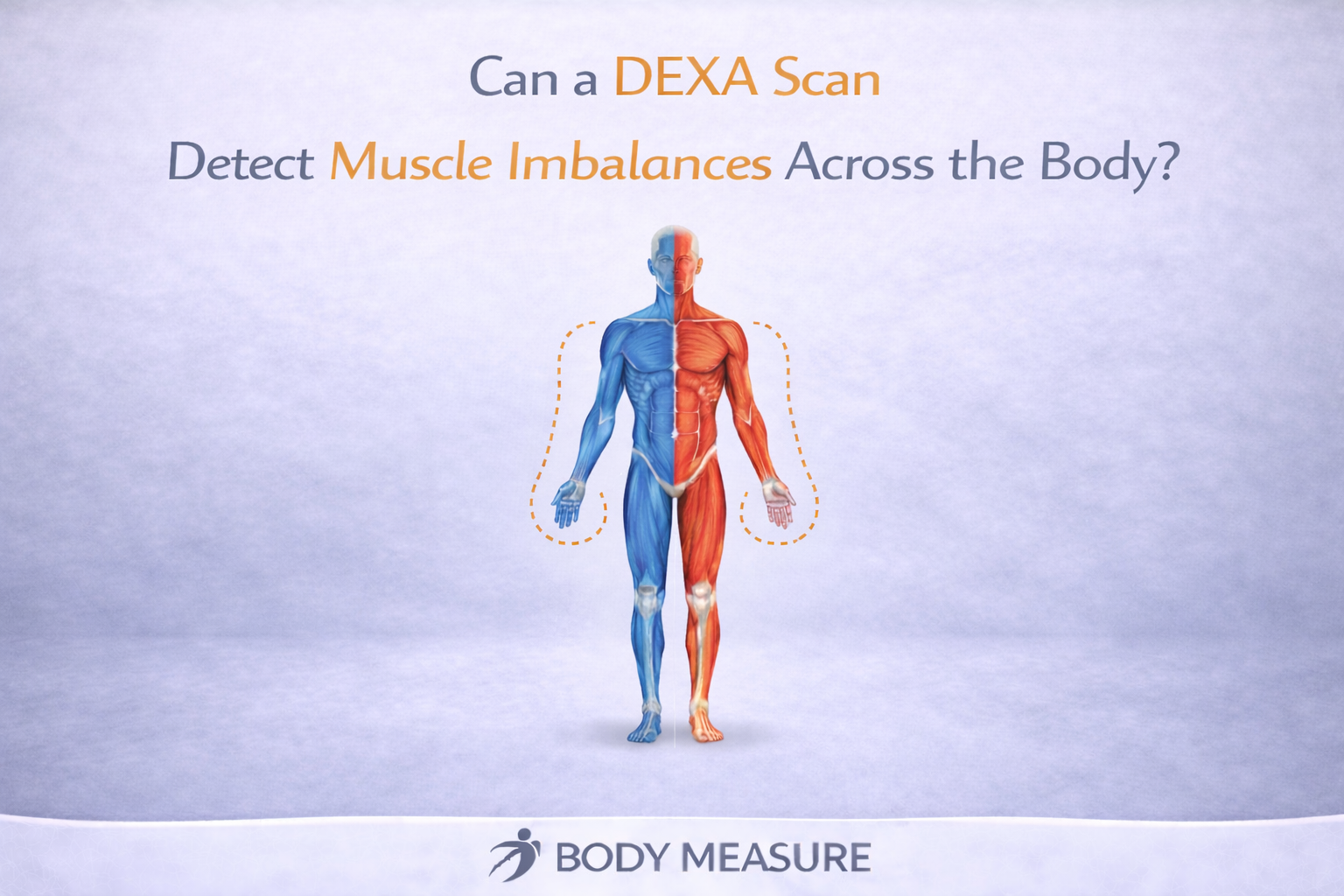
This is where DEXA can be useful. A body composition DEXA scan can measure regional lean mass across areas such as the arms, legs and trunk, which helps show how lean tissue is distributed across the body. It can also highlight left-to-right differences in lean mass. What it cannot do is diagnose the exact cause of a muscle imbalance or tell you how well a muscle is functioning. DEXA is best understood as a precise measurement tool, not a full movement or rehabilitation assessment. Australian Institute of Sport guidance notes that DXA body composition assessment supports high-quality regional analysis when acquisition and interpretation protocols are followed, and rehabilitation literature also describes total body DXA as useful for investigating inter-limb lean mass asymmetry.
Key Takeaways
- A DEXA scan can detect regional differences in lean mass across the body.
- It can help identify left-to-right asymmetry in the arms or legs.
- DEXA measures lean mass distribution, not muscle function, strength or movement quality.
- This makes it useful for training insight, rehab tracking and body composition reviews over time.
- A body composition DEXA scan is different from a dedicated medical BMD exam.
Summary Table
| Topic | What DEXA Can Show | What DEXA Cannot Show |
| Lean mass by region | Yes | |
| Left vs right limb differences | Yes | |
| Trunk vs limb lean mass distribution | Yes | |
| Muscle activation or strength | No | |
| Movement quality or biomechanics | No | |
| Exact cause of an asymmetry | No | |
| Progress over time | Yes, with repeat scans | |
| Bone mineral density diagnosis | Only in a dedicated BMD exam, not from body composition data alone |
What Do We Mean by a Muscle Imbalance?
The term muscle imbalance can mean different things depending on the context. Sometimes it refers to a visible difference in muscle size between one side of the body and the other. In other cases, it may describe a strength difference, a movement issue, or compensation that has developed after pain or injury.
For this article, the most relevant definition is uneven lean mass distribution. That means one arm, one leg, or one side of the body may carry more lean tissue than the other. This is the kind of difference a DEXA scan can help identify.
What DEXA cannot tell you on its own is whether that difference is affecting movement, performance or pain. A scan can show that an asymmetry exists in body composition terms, but it does not explain the full reason behind it. That is why lean mass imbalance and functional imbalance should not be treated as exactly the same thing.
How DEXA Measures Lean Mass Across the Body
A body composition DEXA scan estimates fat mass, lean mass and bone mass across the whole body, then breaks that information into regions. These regions typically include the left arm, right arm, left leg, right leg and trunk. This makes it possible to compare one area with another rather than relying only on a total body number.
That regional breakdown is what makes DEXA especially useful for symmetry analysis. If one leg carries noticeably less lean mass than the other, or one arm develops differently over time, the scan can help show that pattern clearly. It can also help track whether that gap is narrowing or widening on repeat testing.
It is worth noting that DEXA measures lean mass, not isolated muscle tissue alone. Even so, it remains one of the clearest ways to assess how lean tissue is distributed across the body in a practical, measurable way.
Can DEXA Detect Left-to-Right Muscle Asymmetry?
Yes, this is one of the more useful things a body composition DEXA scan can show. Because the scan reports regional lean mass, it can compare the left and right arms or the left and right legs and highlight whether one side carries more lean tissue than the other.
That can be relevant for people returning from injury, athletes in unilateral sports, or anyone who suspects one side of the body has developed differently over time. In some cases, the difference may reflect training patterns, previous injury history or normal variation. In others, it may point to a reason to investigate further with a qualified health professional.
The key point is that DEXA can identify the presence of lean mass asymmetry. It does not tell you whether that difference is functionally important on its own, but it can provide a useful objective starting point.
What a DEXA Scan Cannot Tell You About Muscle Imbalances?
A DEXA scan is a measurement tool, not a full diagnostic answer. It can show that one region has more or less lean mass than another, but it cannot tell you how well that muscle is activating, how strong it is, or whether a movement pattern is being affected.
It also cannot explain the exact cause of an asymmetry. A difference in lean mass might relate to training history, injury, limb dominance, reduced loading, or another factor entirely. DEXA does not assess pain, biomechanics or motor control.
This is why scan results are best seen as part of a broader picture. They can add clarity to body composition assessment, but they do not replace clinical examination, rehabilitation assessment or performance testing when those are needed.
When Lean Mass Asymmetry Might Actually Be Useful to Know
Not every side-to-side difference is a problem, but in some situations, it is useful to measure it clearly. This is especially true after injury, during rehabilitation, or when someone is trying to understand why one side of the body seems to be progressing differently from the other.
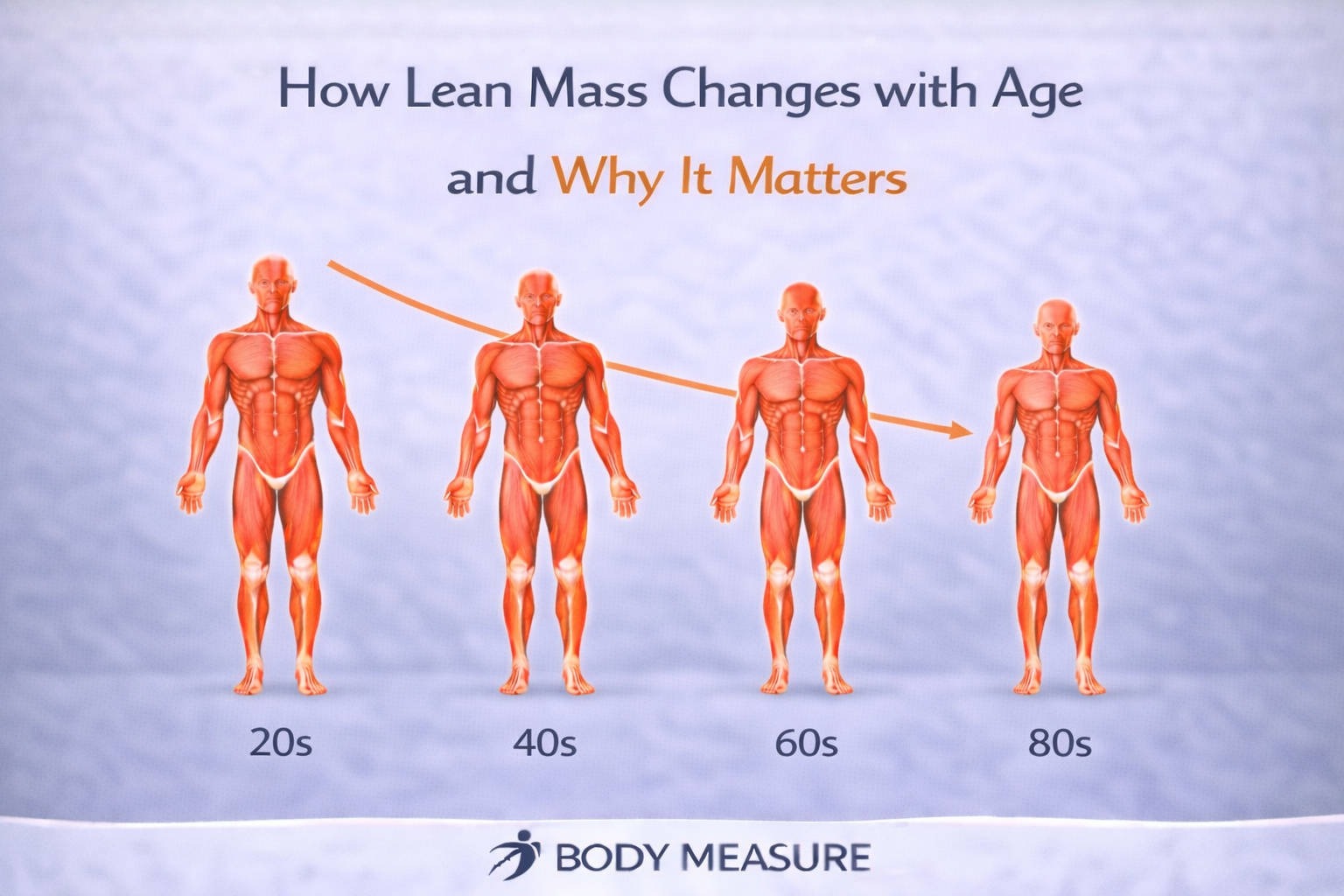
For active adults and athletes, lean mass asymmetry may help explain why certain training results feel uneven. One leg may be regaining size more slowly after time off, or one arm may be doing more work during lifting than expected. For older adults, regional lean mass tracking can also provide extra context around age-related muscle change.
The value is not in overreacting to every difference. It is in having an objective baseline that helps you track whether the pattern is staying the same, improving, or becoming more pronounced over time.
DEXA vs Functional Testing for Muscle Imbalance Assessment
DEXA is useful for measuring structure. Functional testing is useful for measuring performance. That distinction matters when people talk about muscle imbalance, because size and function are not always the same thing.
A DEXA scan can show whether lean mass is distributed unevenly across the body, but it cannot tell you whether one side is weaker, less stable, or moving poorly. That type of insight usually comes from physio assessment, strength testing, movement screening, or exercise physiology review.
In practice, the two can work well together. DEXA can provide the body composition data, while functional testing helps explain how that difference may be affecting movement or performance. That combined view is often more useful than relying on one type of assessment alone.
Who Might Benefit Most from This Kind of DEXA Insight?
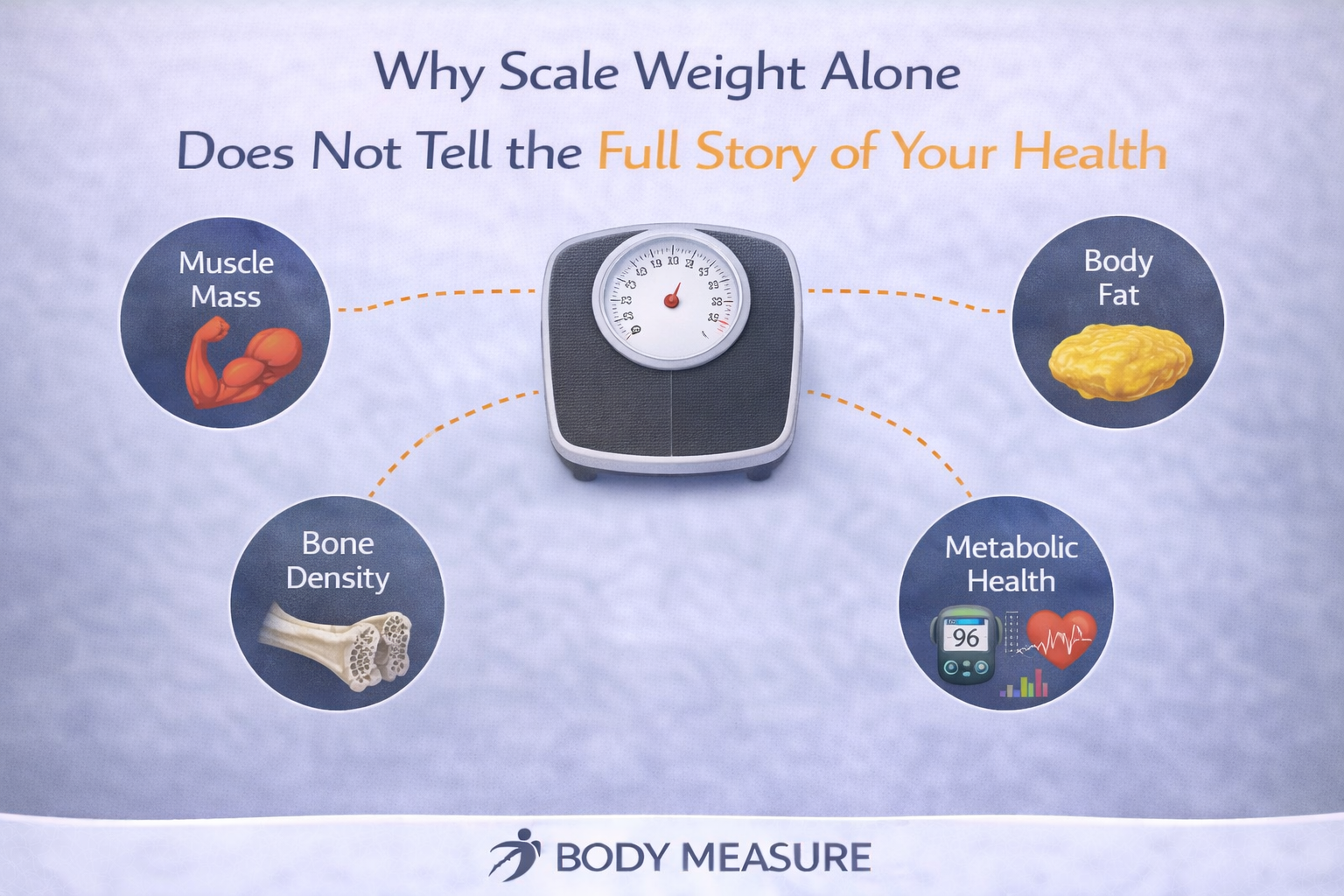
This kind of DEXA insight can be useful for a wide range of people, not just elite athletes. Active adults may use it to understand whether training is building lean mass evenly across the body. People returning from injury may use it to track whether one limb is recovering in line with the other. It can also be valuable for those focused on body recomposition, where knowing where lean mass is changing is often more useful than body weight alone.
Older adults may also benefit from seeing how lean mass is distributed as part of a broader healthy ageing strategy. In all of these cases, the goal is not to turn every small difference into a concern. It is to provide a clearer, measurable view of what is happening across the body.
Using a DEXA Scan in Sydney to Track Symmetry Over Time
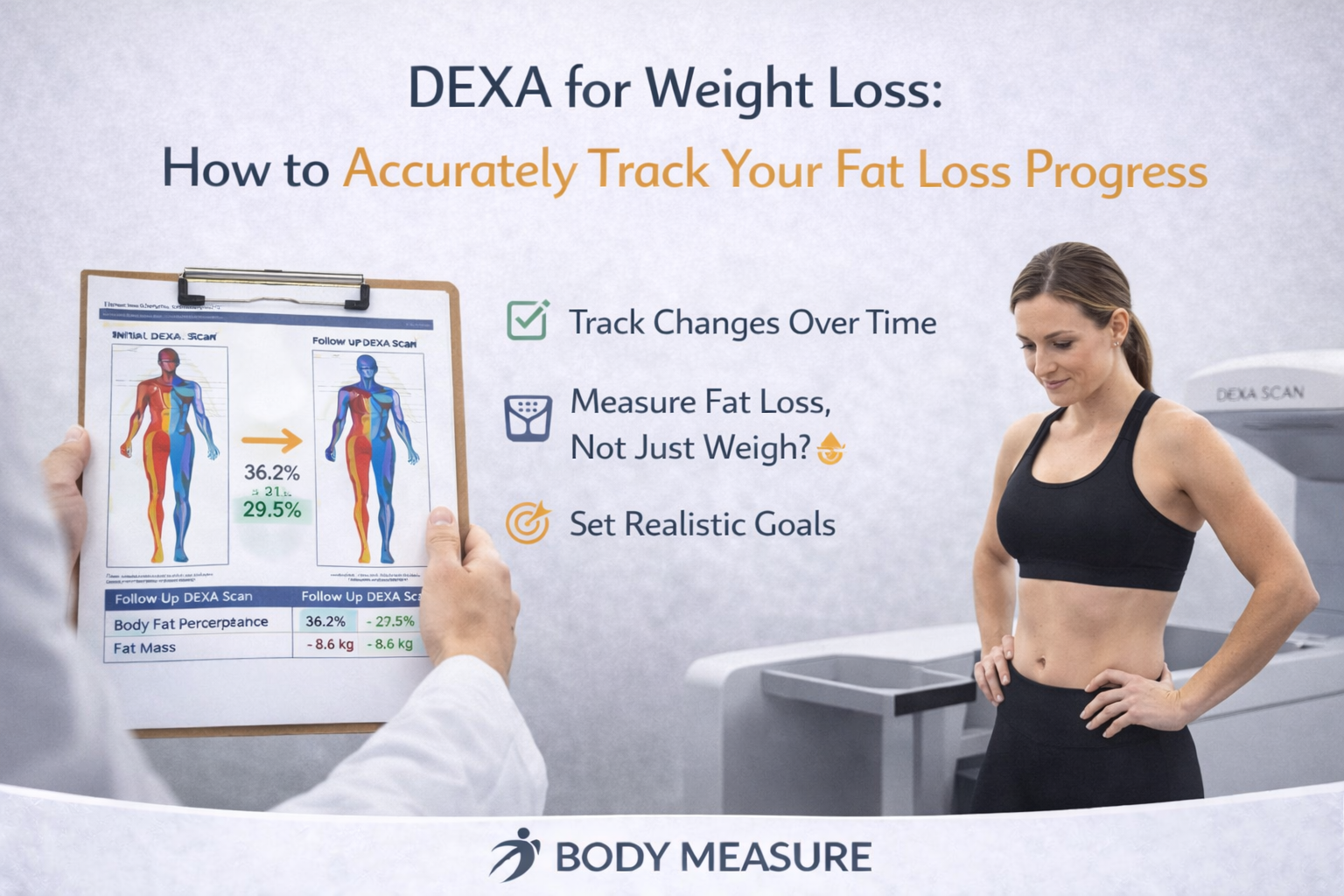
A single DEXA scan can provide a useful baseline, but repeat scans are where regional analysis often becomes more practical. Tracking lean mass distribution over time can help show whether an asymmetry is remaining stable, narrowing with training or rehabilitation, or becoming more noticeable.
For people in Sydney who want a more detailed body composition assessment, this can be a valuable way to move beyond guesswork. At Body Measure, we use DEXA to help clients understand not just total body composition, but how lean mass is distributed across different regions of the body. That makes it easier to track change with more confidence and context over time.
Final Thoughts
A DEXA scan can detect differences in lean mass distribution across the body, including left-to-right asymmetry in the arms and legs. That makes it a useful tool for people who want a clearer picture of muscle symmetry, training progress or recovery over time.
What it cannot do is diagnose the full cause of a muscle imbalance or replace a functional assessment. It is best used as an objective measurement tool that adds clarity to the bigger picture. For people who want a more detailed way to assess lean mass distribution in Sydney, DEXA can offer insight that simpler methods often miss.
FAQs
Can a DEXA scan show if one leg has less muscle than the other?
A DEXA scan can show whether one leg has less lean mass than the other. That makes it useful for identifying side-to-side differences in body composition, particularly after injury, during rehabilitation or when tracking uneven training adaptations. It does not confirm why that difference exists, but it can provide a clear starting point.
Does DEXA measure muscle imbalance or just lean mass?
DEXA measures lean mass distribution rather than muscle function itself. In practical terms, it can highlight asymmetry across the body, but it does not assess strength, muscle activation or movement quality. That is why it is best viewed as a body composition tool rather than a full functional assessment.
Can a DEXA scan help after injury rehabilitation?
It can be useful during rehabilitation because it shows whether lean mass is returning evenly across the body. If one limb has lost lean tissue after reduced loading or time away from training, repeat DEXA scans can help track recovery over time. It should still be interpreted alongside clinical or rehab guidance where needed.
How accurate is DEXA for measuring muscle symmetry?
DEXA is one of the more precise methods available for assessing regional lean mass distribution. While it does not measure isolated muscle fibres, it can give a reliable picture of how lean tissue is distributed across the body. That makes it a strong option for tracking symmetry trends over time.
Should I get a DEXA scan if I think one side of my body is weaker?
If you want to know whether one side of your body is carrying less lean mass, a DEXA scan can be helpful. If the issue is more about pain, movement or weakness, it may also make sense to combine that insight with a physio or strength assessment. DEXA helps measure the structure side of the picture.
Where can I get a DEXA scan in Sydney to assess lean mass distribution?
If you are looking for a private DEXA scan in Sydney, Body Measure offers body composition testing that can help you understand lean mass distribution across the body. This can be useful for training insight, recovery tracking and building a clearer baseline for future comparison.