
The Bone Passport
Your bones, fully measured. Tracked for life.
Peri-menopause | Post-menopause | Osteopenia | Osteoporosis
Tap each stamp to explore what it tells you ↓
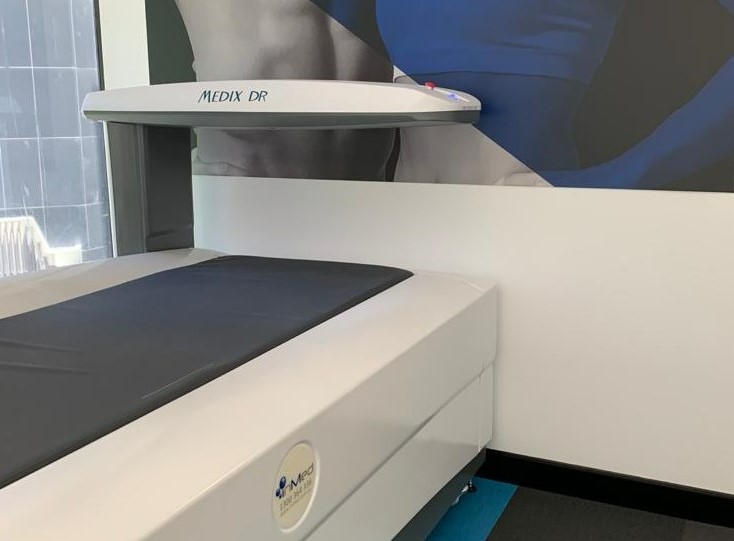
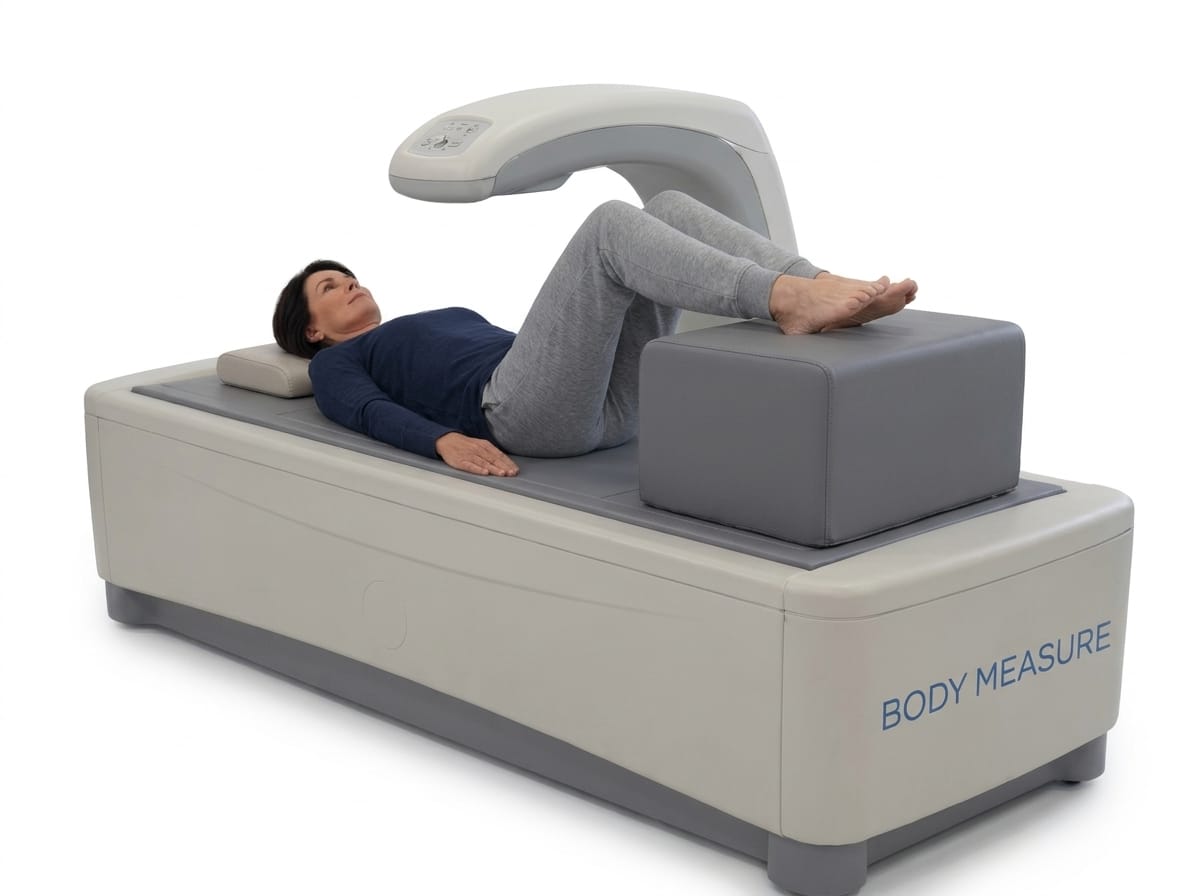
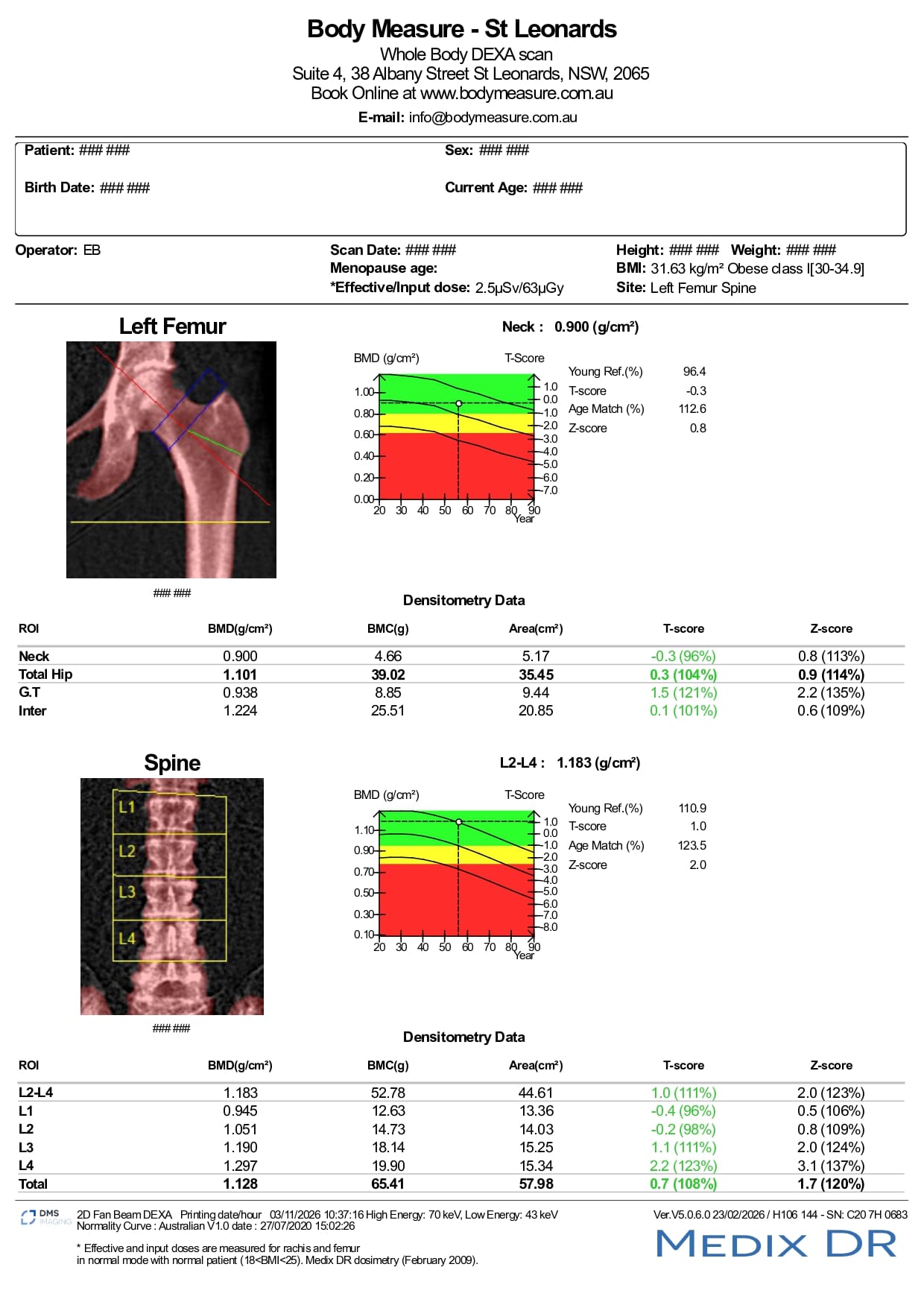
The gold standard for measuring bone density and diagnosing osteoporosis. The generated T-score is how we diagnose normal bone, osteopenia (bone thinning) and osteoporosis.
- T-score: compares your bones to a healthy young adult at peak bone mass.
- Z-score: compares your bones to women your own age.
- Very low radiation: a fraction of a standard chest X-ray.
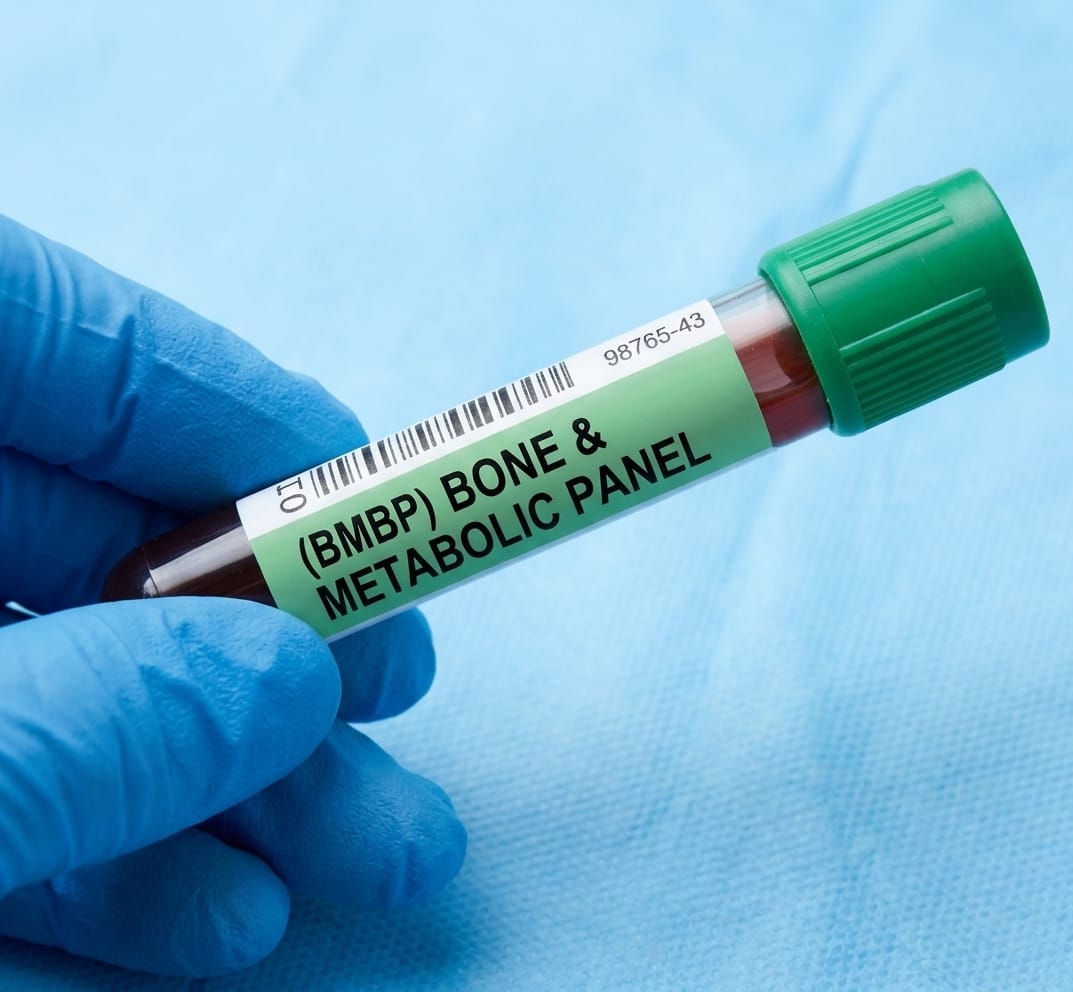
Scans show how your bones have fared over time. Your blood shows what your bones are doing today: specific blood markers show if you’re building new bone or breaking down bone faster than you replace it. We also check insulin and metabolic health, because they affect bone quality and risk of fracture too.
- Vitamin D3
- Parathyroid Hormone
- CTX
- P1NP
- Total Calcium
- Corrected Calcium
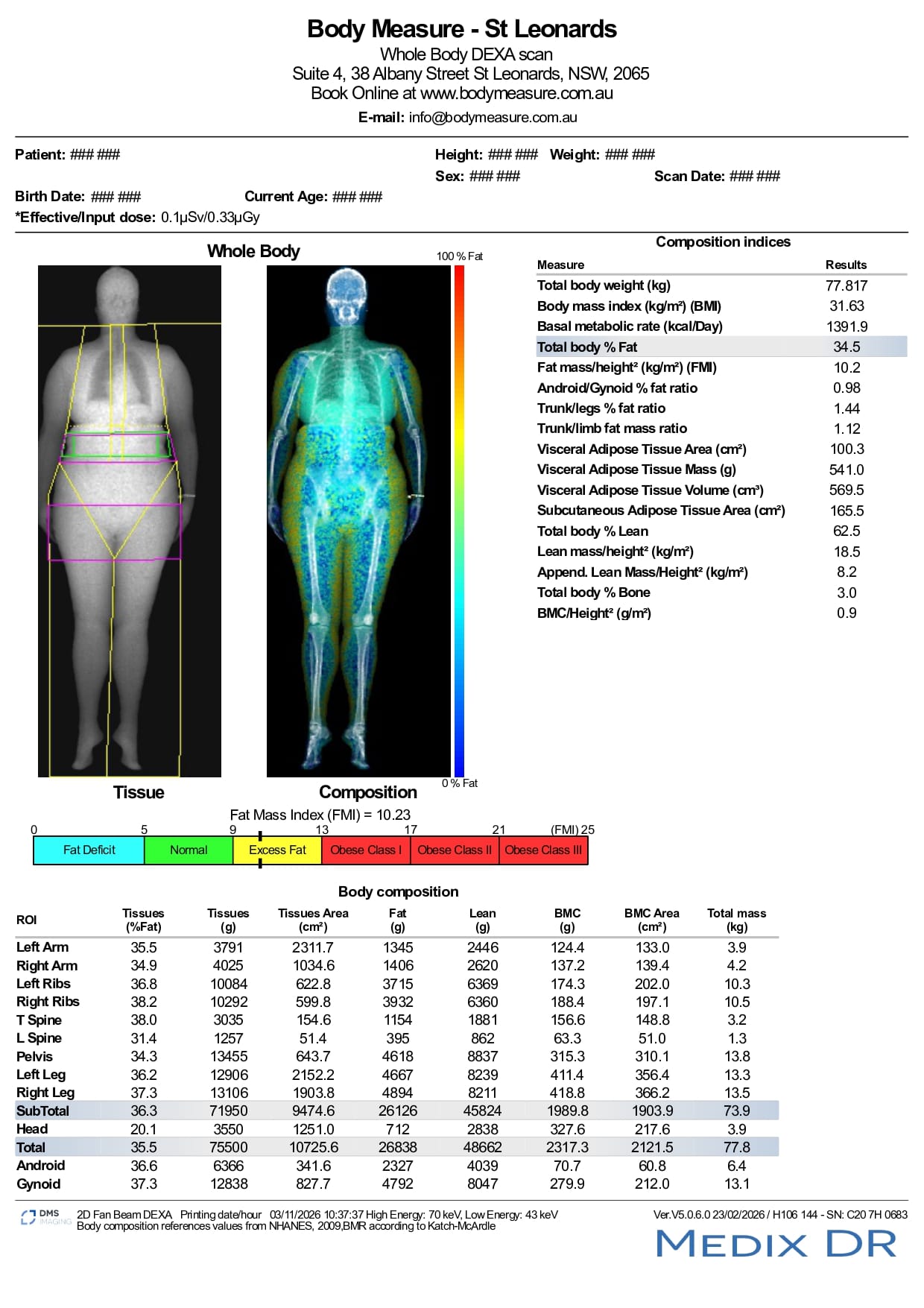
Muscles attach to and pull on your skeleton, and that pull helps keep bone strong. We measure your total skeleton mineral content alongside your muscle and fat mass, because losing muscle and losing bone tend to happen together.
- Visceral fat: the hidden fat around your organs.
- Lean muscle mass: muscle that moves and supports your skeleton.
- Bone mineral content (BMC): total mineral in your whole skeleton.
- BMC ÷ height²: adjusted for your size so you can compare fairly over time.
WHY YOUR BONES NEED A PASSPORT
Bone loss is silent, until it isn’t
Menopause is when bone loss speeds up most, so measuring early, and re-measuring, matters.
6.2M
Australians over 50 with poor bone health.
~2%
bone density lost per year around the final period
~1 in 2
women aged 60 will have an osteoporotic fracture
~30
the age most of us reach peak bone mass

The gap most women fall into: Medicare-funded bone density scans are generally limited to people aged 70+, or those with specific medical conditions or a previous minimal-trauma fracture. That means many women go through menopause, when bone loss is fastest, without ever having a baseline.

Density
The gold standard for measuring bone density and diagnosing osteoporosis. A quick, low-dose scan of your hips.
- T-score
- Z-score
- Very low radiation
Bone Turnover
A scan shows years of bone change. Blood markers show what your bones are doing today.
- Vitamin D3
- Parathyroid Hormone
- CTX
- P1NP
- Total Calcium
- Corrected Calcium

Skeleton Mass
A whole-body scan showing what you’re made of. In menopause, women typically gain fat and lose lean mass.
- Visceral fat
- Lean muscle
- Total bone mineral
YOUR PASSPORT JOURNEY
Measure once. Track for life.
- Women 35+ who want to know where their bones stand
- Women in peri- or post-menopause
- Anyone with osteopenia or osteoporosis tracking change
- Women with a family history of fracture
- Women starting bone or menopause treatment, or a strength program
- Book a morning appointment and fast overnight (water is fine)
- Skip calcium supplements for 24 hours before your DEXA
- Wear comfortable clothing with no zips, buttons or underwire
- Tell us if you may be pregnant or recently had contrast or barium

All four tests, one complete starting point.
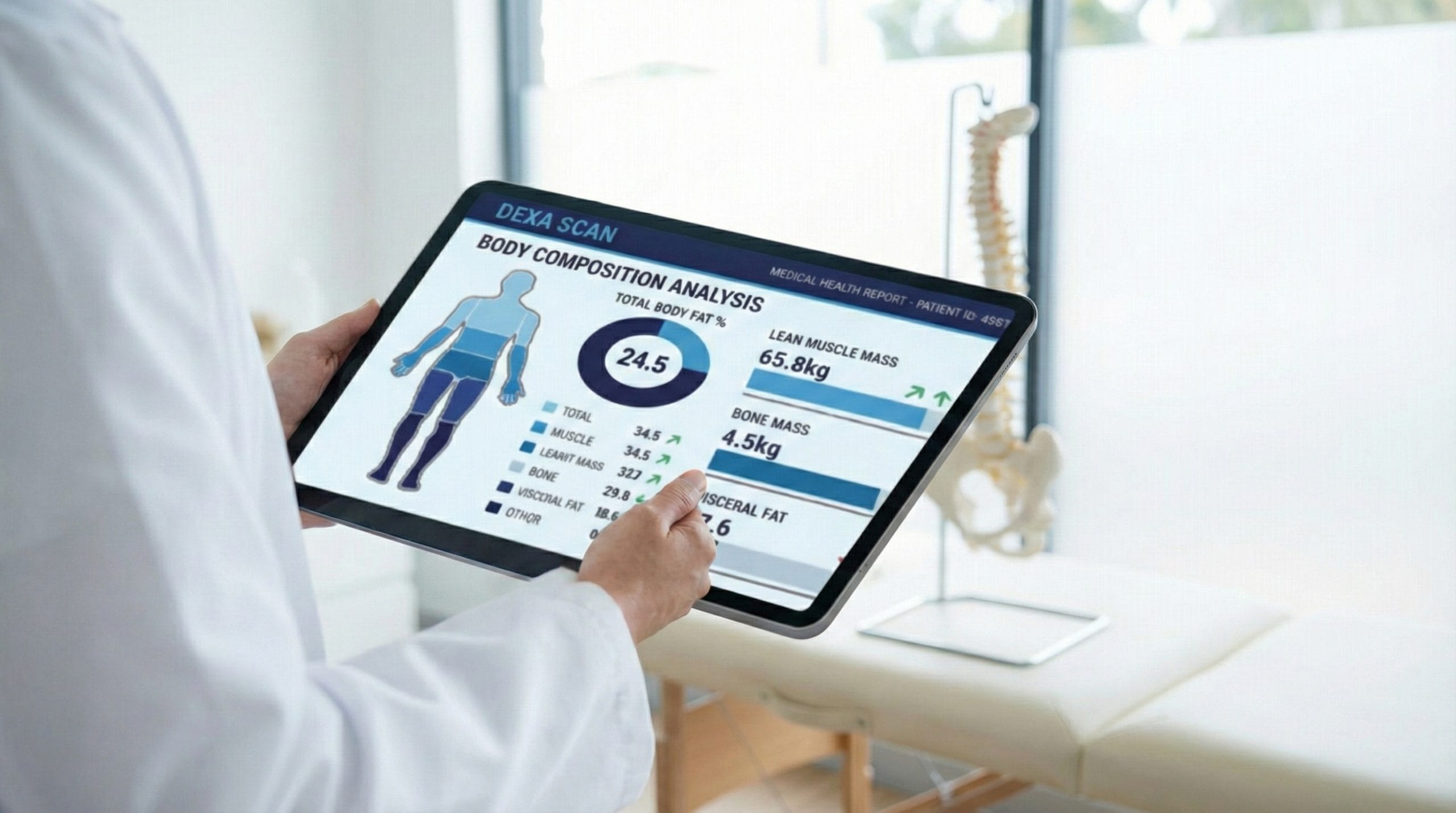
Every number explained in plain English, plus a report for your GP.
See whether what you’re doing is working.
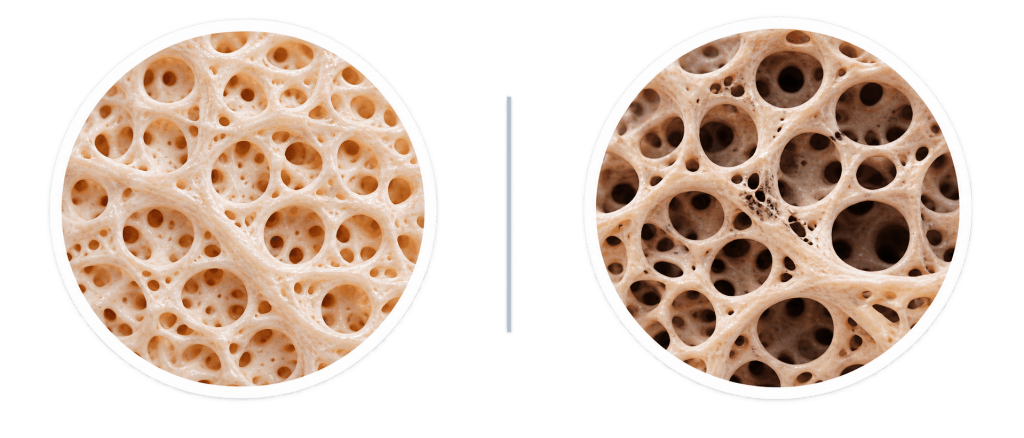
UNDERSTANDING YOUR T-SCORE
The WHO categories for bone density
Your T-score is one piece of the puzzle. Your Bone Passport puts it alongside bone quality, turnover and body composition.
Normal
−1.0 and above
Osteopenia
between −1.0 and −2.5
Osteoporosis
−2.5 and below

WHY FOUR TESTS BEATS ONE
A single scan can’t tell the whole story.
Each part of the Bone Passport answers a different question.
BONE MINERAL DENSITY
How much bone?
A photograph of your density today.
BLOOD PANEL
Which way is it heading?
Building versus breaking down.
BODY COMPOSITION
What’s around it?
The muscle and fat that support you.
Get your first stamp.
Join the women across Sydney building their bone history with Body Measure.