Over the past two decades, the way we measure body composition has changed dramatically. For many years, most people relied on simple metrics such as body weight or Body Mass Index (BMI) to assess health and fitness progress. While these measurements can provide a general overview, they do not reveal what is actually happening inside the body.
Body composition analysis takes a more detailed approach. Instead of looking only at total weight, it examines the different tissues that make up the body, including fat mass, lean muscle mass and bone mass. This deeper level of insight has helped individuals, clinicians and athletes better understand how lifestyle choices influence health over time.
DEXA scanning has become widely recognised as the gold standard for measuring body composition. Its ability to provide precise, repeatable measurements has made it a trusted tool in medical research, professional sport and advanced health monitoring.
At the same time, rapid advances in health technology are driving interest in new ways to track body composition. As wearable devices, digital health platforms and imaging technologies continue to evolve, many people are asking what the future of body composition testing might look like and whether anything will eventually replace DEXA.
Key Takeaways
- DEXA scanning is widely considered the gold standard for measuring body composition.
- New technologies are emerging that aim to make body composition tracking more accessible.
- Many modern tools prioritise convenience, but accuracy can vary significantly.
- Artificial intelligence and digital health platforms are shaping the future of health monitoring.
- Reliable body composition tracking still requires consistent and repeatable measurement methods.
- Future technologies may complement DEXA rather than replace it.
Summary Table: Current and Emerging Body Composition Technologies
| Technology | What It Measures | Strengths | Limitations |
| DEXA Scan | Fat mass, lean mass, bone mass, regional composition | Highly accurate and widely used in research | Requires specialised equipment |
| BIA Smart Scales | Estimated body fat percentage | Convenient and widely available | Accuracy affected by hydration and other factors |
| 3D Body Scanners | Body shape and circumference | Useful for visual progress tracking | Does not directly measure fat or muscle tissue |
| Wearable Devices | Activity levels, heart rate, energy expenditure | Continuous health monitoring | Cannot directly measure body composition |
| AI Health Platforms | Data driven health analysis | Integrates multiple data sources | Dependent on the quality of input data |
Why DEXA Became the Gold Standard in Body Composition
DEXA, which stands for dual energy X ray absorptiometry, was originally developed to assess bone density and diagnose conditions such as osteoporosis. Over time, researchers discovered that the same imaging technology could also provide highly accurate measurements of body composition.
The technology works by sending two low dose X ray beams through the body at different energy levels. Because fat tissue, lean muscle and bone absorb these beams differently, the system can calculate how much of each tissue type is present.
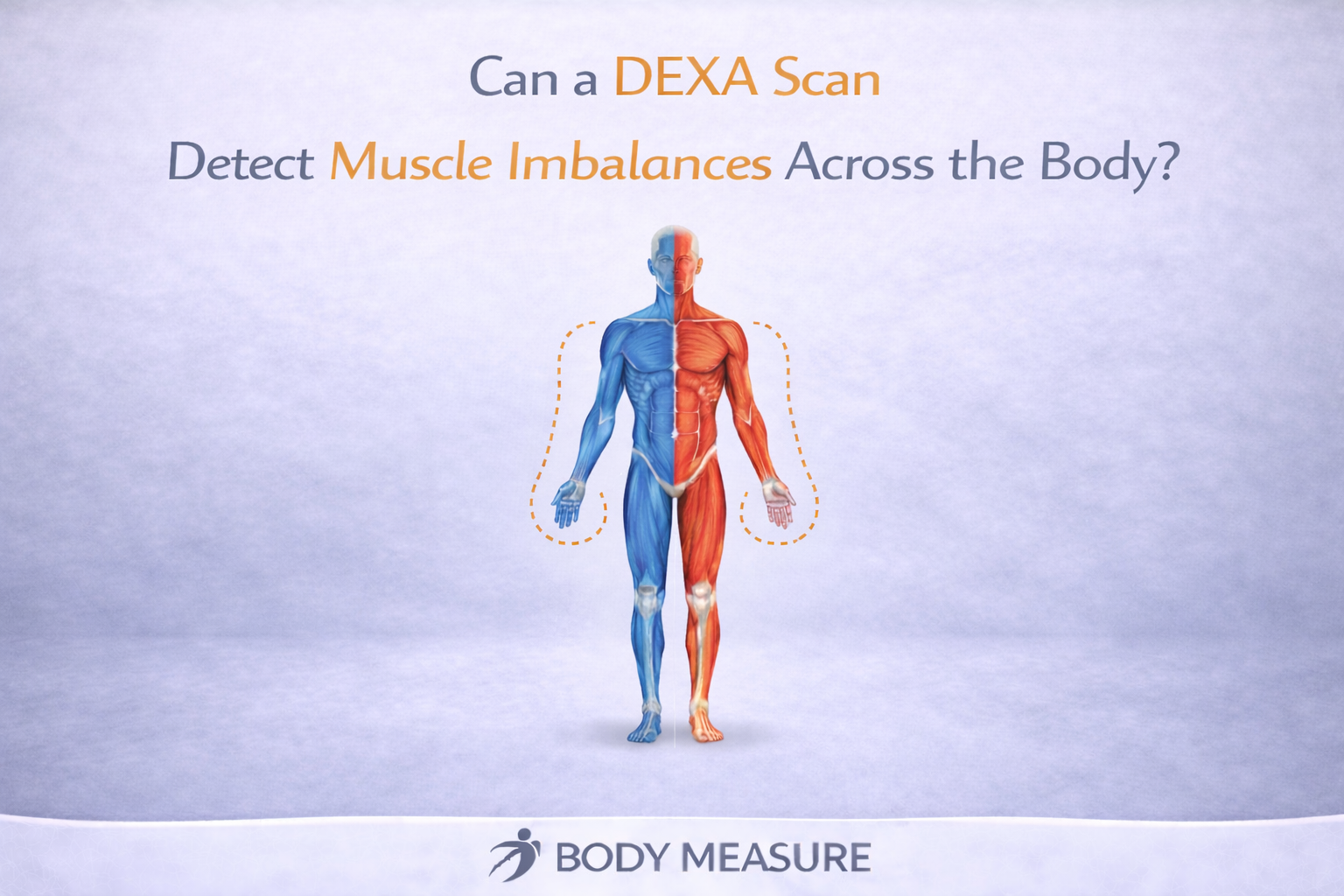
This capability allows DEXA to provide a detailed breakdown of body composition. The scan measures total fat mass, lean muscle mass and bone mass while also showing how these tissues are distributed across different regions of the body.
DEXA is particularly valued for its consistency. When scans are performed using standardised protocols, repeat measurements can be compared reliably over time. This repeatability is one of the reasons DEXA has become widely used in medical research, elite sport and performance science.
Because of its accuracy and reliability, many newer body composition technologies are evaluated by comparing their results to DEXA measurements.
The Growing Demand for Better Body Composition Tracking
Interest in body composition analysis has increased significantly as people become more focused on measurable health outcomes.
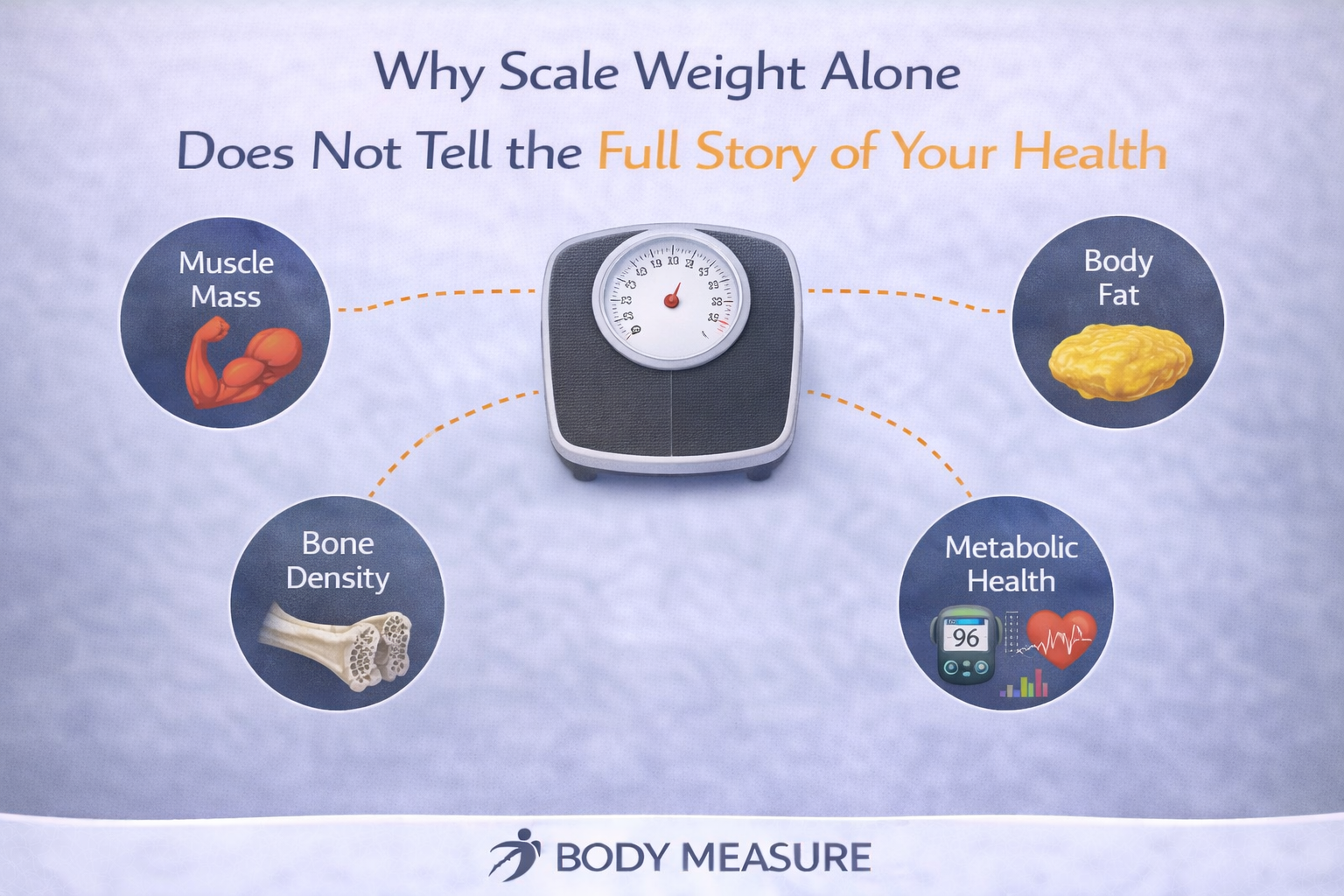
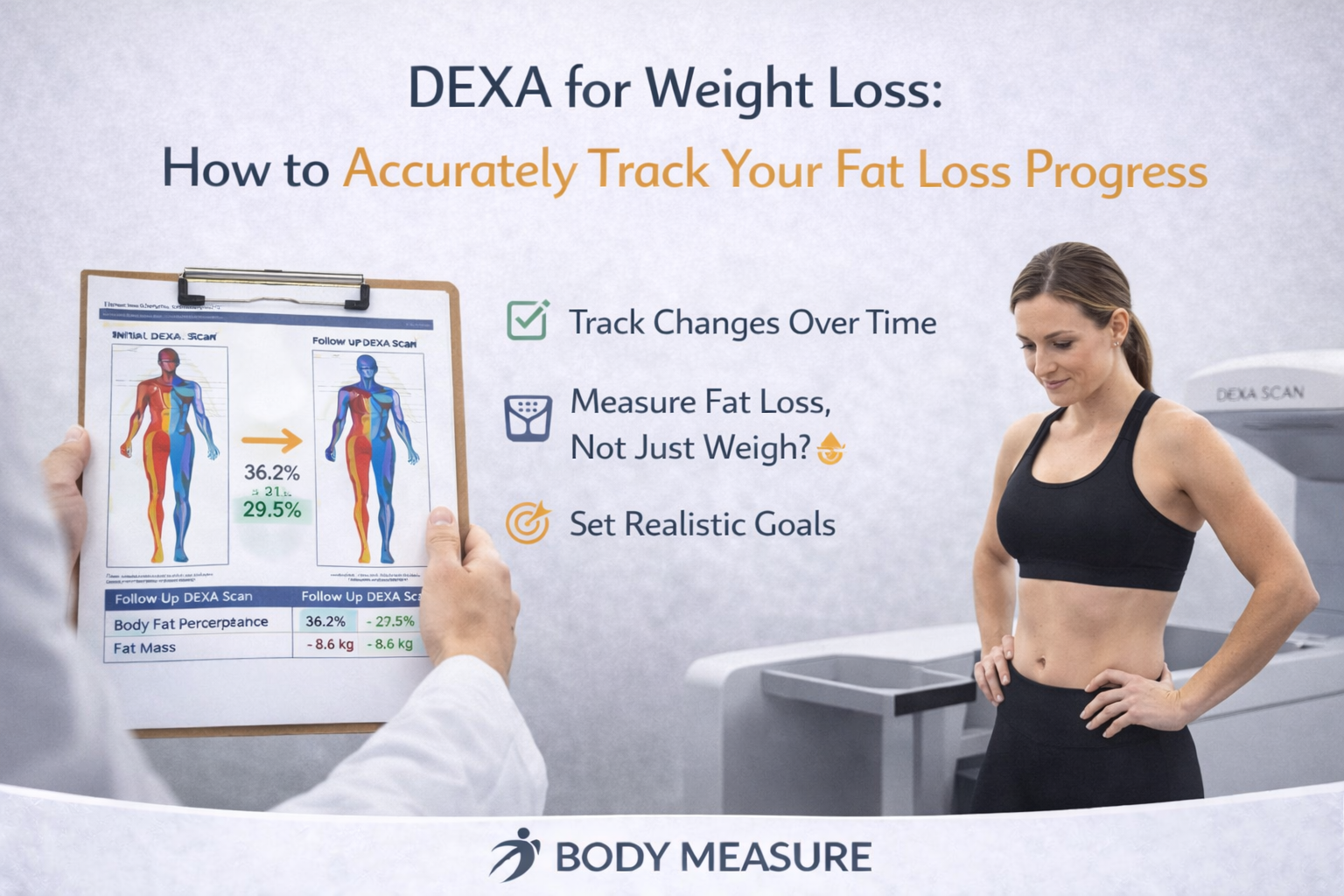
In the past, weight loss was often viewed as the primary indicator of progress. However, it is now widely recognised that body weight alone does not provide a complete picture of health or fitness. Someone may lose fat while gaining muscle, meaning their body composition improves even if the scale does not change dramatically.
This shift has led to greater interest in tools that can measure fat mass, lean muscle mass and fat distribution more accurately.
At the same time, the rise of fitness culture, wearable devices and health tracking apps has encouraged people to seek more detailed data about their bodies. Individuals are increasingly interested in understanding how training programs, nutrition habits and lifestyle factors influence measurable health markers.
As a result, technologies that promise easier or more frequent body composition tracking have gained attention. However, the challenge for these newer tools is balancing convenience with measurement accuracy.
Emerging Technologies That Aim to Measure Body Composition
Several new technologies have been developed to help individuals track changes in body shape and composition. While these tools can provide useful insights, they often measure body composition indirectly rather than directly.
One example is 3D body scanning technology. These systems create a digital model of the body and measure changes in body shape and circumference. This approach can help visualise physical changes over time, but it does not directly measure fat or muscle tissue.
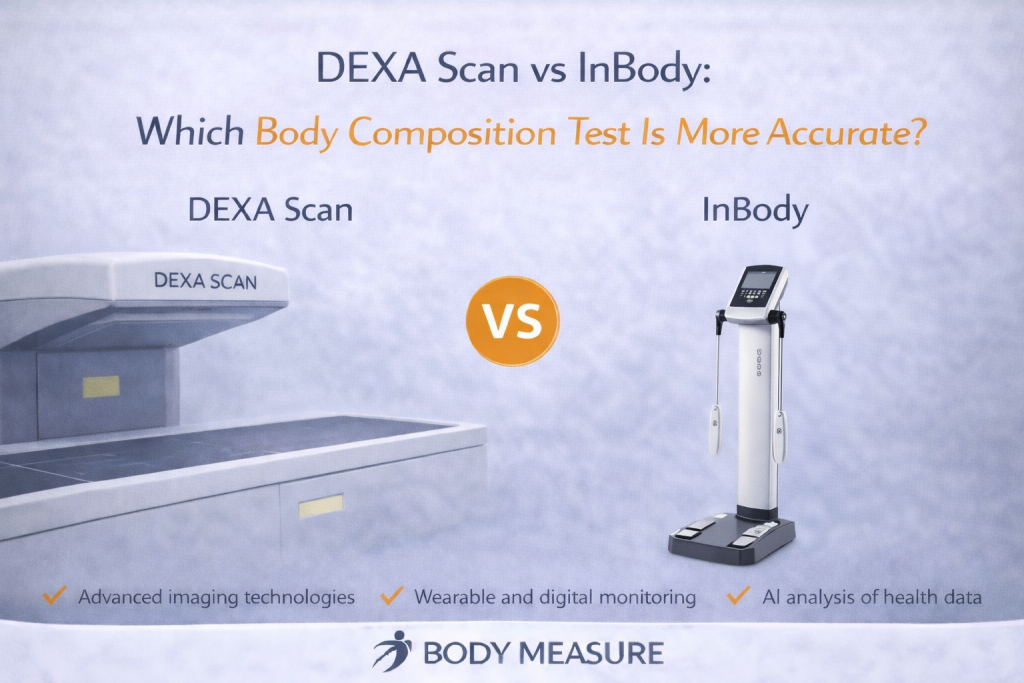
Another widely used method is bioelectrical impedance analysis (BIA). Many smart scales and fitness devices use this technology to estimate body fat percentage. BIA works by sending a small electrical signal through the body and measuring how quickly it travels. Because fat and muscle conduct electricity differently, the device estimates body composition based on resistance.
However, BIA measurements can be influenced by factors such as hydration levels, recent exercise and food intake, which can affect accuracy.
More recently, artificial intelligence-driven health platforms have begun combining multiple data sources to estimate body composition and health trends. These platforms may integrate activity data, metabolic information and biometric measurements to provide predictive insights about health.
While these technologies continue to improve, most still rely on estimation models rather than direct imaging methods.
Why Accuracy Remains the Biggest Challenge
Although many new technologies aim to simplify body composition tracking, accuracy remains the most significant challenge.
Methods such as smart scales or body scanning systems often rely on mathematical models to estimate body composition. While these models can provide useful trends, they are sensitive to environmental and physiological variables.
Hydration levels, food intake, recent exercise and even skin temperature can influence certain measurement techniques. As a result, short term readings may fluctuate even when actual body composition has not changed.
Medical imaging technologies such as DEXA are less affected by these factors because they measure tissue composition directly. This is why DEXA continues to be widely used in research environments and clinical settings where precise measurement is important.
Reliable body composition tracking also depends on repeatability. Measurements must be taken using consistent protocols and equipment to ensure that changes observed over time reflect genuine physiological changes rather than measurement variation.
Will Anything Replace DEXA in the Near Future?
Although new technologies are constantly emerging, it is unlikely that DEXA will be replaced in the immediate future.
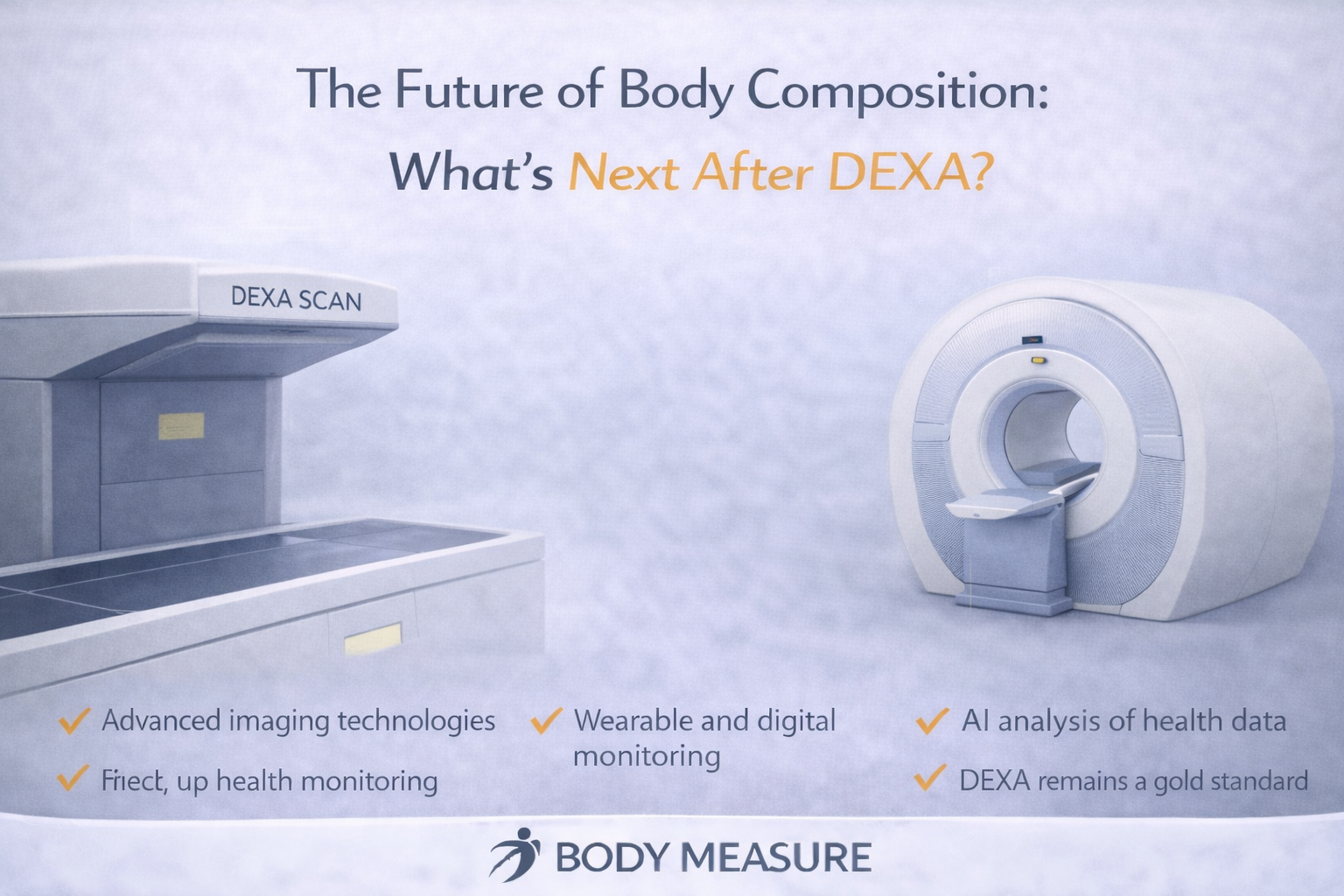
Instead, many experts believe that newer technologies will complement DEXA rather than replace it entirely. More accessible tools may provide general trends or daily monitoring, while DEXA scans continue to serve as a precise reference measurement.
For example, wearable devices may track activity levels, energy expenditure and sleep patterns, while periodic body composition scans provide accurate snapshots of how the body is changing.
This combination of continuous data and precise measurement could create a more complete picture of health and performance.
What the Future of Body Composition Testing Might Look Like
The future of body composition testing will likely involve a combination of advanced imaging technologies, metabolic testing and data driven analysis.
As health technology continues to evolve, it may become easier to integrate different types of health data into a single platform. Body composition, metabolic health markers, activity patterns and recovery metrics could eventually be analysed together to provide a more comprehensive view of overall health.
Artificial intelligence may also play a growing role in interpreting complex health data. By analysing trends across multiple measurements, AI systems could help identify patterns that influence body composition and long term health outcomes.
Clinics that combine precise measurement technologies with expert interpretation will continue to play an important role in this evolving landscape. Accurate data is only useful when it can be translated into meaningful health decisions.
Final Thoughts
Body composition analysis has come a long way from simple weight tracking. Technologies such as DEXA have made it possible to measure fat mass, lean muscle mass and bone mass with a high level of accuracy.
While new tools and technologies continue to emerge, many of them focus on improving accessibility rather than replacing existing gold standards.
For individuals who want precise, reliable insight into their body composition, DEXA remains one of the most trusted measurement methods available today.
As health technology continues to evolve, the future of body composition testing will likely involve combining accurate imaging tools with broader health data to provide a clearer understanding of how the body changes over time.
FAQs Answered
Is DEXA still the most accurate body composition test available?
DEXA is widely considered one of the most accurate and reliable methods for measuring body composition. It measures fat mass, lean muscle mass and bone mass directly using imaging technology, which allows results to be compared consistently over time.
Are 3D body scanners as accurate as DEXA scans?
3D body scanners can track changes in body shape and circumference, but they do not directly measure body composition. While they may be useful for visual progress tracking, they generally cannot provide the same level of detail or accuracy as a DEXA scan.
Will wearable devices eventually measure body composition?
Wearable devices currently track metrics such as activity levels, heart rate and sleep patterns. While research is ongoing, most wearable technologies do not yet measure body composition directly. Future developments may combine wearable data with other measurement methods to improve health monitoring.
What technologies might replace DEXA scans in the future?
New technologies such as advanced imaging systems, artificial intelligence health platforms and improved body scanning tools may continue to evolve. However, many experts believe these tools will complement DEXA rather than replace it entirely.
Where can you get a professional DEXA body composition scan in Sydney?
DEXA body composition scans are available through specialised clinics that offer advanced body composition testing. Body Measure provides DEXA body composition scans in Sydney using medical grade equipment and consistent scanning protocols.