
Receiving a bone density report can be confusing, particularly when it includes unfamiliar terms such as T-scores and Z-scores. Many people are told their results are “normal” or “low” without fully understanding what those numbers actually mean or how they relate to bone health over time.
Bone density is commonly assessed using a Bone Mineral Density (BMD) DEXA scan, which provides objective information about bone strength and fracture risk. T-scores and Z-scores are key components of this report, but they serve different purposes and are interpreted differently depending on age, sex and clinical context.
For post-menopausal women, understanding these scores is especially important. Changes in hormone levels after menopause can affect bone density, making accurate interpretation essential for informed monitoring. This article explains what T-scores and Z-scores measure, how they are used clinically, and how to read your results with clarity and confidence.
Key Takeaways
- T-scores and Z-scores are measurements derived from Bone Mineral Density (BMD) DEXA scans
- T-scores compare bone density to a healthy young adult reference population
- Z-scores compare bone density to others of the same age and sex
- T-scores are used clinically to assess osteoporosis risk after menopause
- Z-scores help identify whether bone density is typical for age
- Bone density scores should be interpreted in context, not in isolation
- Long-term trends are more meaningful than a single scan result
Summary Table: T-Scores vs Z-Scores
| Measurement | What It Compares | Primary Use | Typical Clinical Application |
| T-Score | Bone density compared to a healthy young adult | Assess fracture risk and osteoporosis | Primary measure used for post-menopausal women |
| Z-Score | Bone density compared to age-matched peers | Assess whether bone density is typical for age | Used to provide additional clinical context |
What a Bone Density DEXA Scan Measures
/prod01/channel_2/media/university-of-south-wales/site-assets/images/01-campus-and-facilities/16-pontypridd-facilities/161-treforest-facilities/campus-facilities-treforest-chiropractic-dxa-scanning-12031.jpg)
A Bone Mineral Density (BMD) DEXA scan is a medical imaging test used to assess the strength of bones and the risk of fracture. It does this by measuring how much mineral content is present within specific bones, most commonly the hip and spine, which are areas strongly associated with osteoporosis-related fractures.
During a BMD DEXA scan, low-dose X-ray beams pass through the bone. Denser bones absorb more of the X-ray energy, allowing the scanner to calculate bone mineral density accurately. These measurements are then compared against reference data to generate T-scores and Z-scores, which form the basis of the clinical report.
It is important to distinguish a medical BMD DEXA scan from a DEXA body composition scan. While both use the same underlying technology and equipment, they serve different purposes. A BMD scan is designed specifically to evaluate bone strength and fracture risk and is reported by a Radiologist. Body composition scans measure bone mass as part of overall tissue distribution and are not used to diagnose osteoporosis.
Understanding what a BMD DEXA scan measures provides essential context for interpreting T-scores and Z-scores accurately and avoiding common misunderstandings.
What Is a T-Score?
A T-score is a standardised value used to describe how your bone mineral density compares to that of a healthy young adult. Specifically, it measures the difference between your bone density and the average peak bone density of a young adult of the same sex, expressed in standard deviations.
T-scores are used because peak bone density represents the point at which bones are at their strongest. Comparing current bone density to this reference provides a clear way to assess how much bone loss may have occurred over time. For this reason, T-scores are the primary measurement used to assess osteoporosis risk in post-menopausal women.
T-score ranges are typically categorised as follows:
- A T-score of -1.0 or above is considered within the normal range
- A T-score between -1.0 and -2.5 indicates reduced bone density, often referred to as osteopenia
- A T-score of -2.5 or lower is consistent with osteoporosis
These categories help clinicians assess fracture risk and determine appropriate monitoring intervals. However, a T-score does not predict fractures on its own. It is one component of a broader clinical assessment that may include age, medical history, family history and other risk factors.
Understanding what a T-score represents helps place bone density results in context and reduces unnecessary concern when results fall outside the normal range.
What Is a Z-Score?
A Z-score compares your bone mineral density to that of other people of the same age and sex. Rather than using peak bone density as a reference, it shows how your bone density compares to what is typical for someone at a similar stage of life.
Z-scores are particularly useful for providing context. They help determine whether bone density is lower or higher than expected for age, which can be relevant when bone loss appears earlier than anticipated or when results fall outside typical age-related patterns.
In post-menopausal women, T-scores are generally prioritised for clinical decision-making related to osteoporosis risk. However, Z-scores may still be included in reports to offer additional insight. A Z-score significantly below the expected range may prompt further clinical review, particularly if bone density appears lower than would normally be expected for age.
Like T-scores, Z-scores are not interpreted in isolation. They are used alongside medical history, risk factors and other clinical information to provide a more complete understanding of bone health.
Why T-Scores Matter More After Menopause
After menopause, changes in hormone levels, particularly the reduction in oestrogen, can accelerate bone loss. Oestrogen plays a key role in maintaining bone density, and its decline can lead to a gradual reduction in bone strength over time. This makes accurate assessment and monitoring of bone density especially important during and after the menopausal transition.
T-scores are used after menopause because they compare bone density to peak bone mass, which reflects the strongest point bones typically reach in early adulthood. This comparison helps identify how much bone density has changed relative to optimal bone strength, rather than simply what is typical for age.
Clinical guidelines prioritise T-scores in post-menopausal women because fracture risk increases as bone density decreases relative to peak levels. Using T-scores allows clinicians to apply standardised thresholds when assessing osteoporosis risk and determining appropriate monitoring intervals.
Understanding why T-scores are emphasised after menopause helps clarify why this measurement plays a central role in bone density reporting and why it is used consistently in clinical practice.
Understanding Results in Context
Bone density results are most meaningful when interpreted in context rather than viewed as standalone numbers. While T-scores and Z-scores provide valuable information, they represent only one part of overall bone health and should be considered alongside individual risk factors.
Age, family history, body weight, previous fractures, activity levels and nutritional intake can all influence bone density. Two people with the same T-score may have very different fracture risks depending on these broader factors. This is why bone density results are typically reviewed as part of a wider clinical picture rather than used in isolation.
It is also important to remember that bone density changes gradually. A single scan provides a snapshot at one point in time, but it does not define bone health permanently. Tracking changes across multiple scans allows trends to emerge, which is far more informative than focusing on a single result.
Viewing T-scores and Z-scores as tools for long-term monitoring rather than definitive labels supports a more balanced and informed approach to bone health.
Common Misunderstandings About T-Scores and Z-Scores
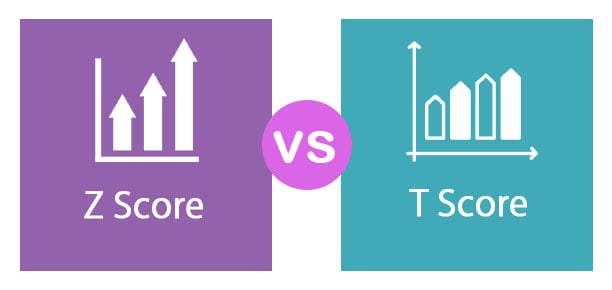
One of the most common misunderstandings is the belief that a single T-score or Z-score determines future fracture risk with certainty. In reality, these scores indicate bone density relative to reference populations, not guaranteed outcomes. They are tools for assessment, not predictions of what will happen.
Another frequent misconception is that bone density results should be compared directly with those of other people. Bone density is highly individual and influenced by factors such as genetics, body size and medical history. Comparing scores between individuals can be misleading and unnecessary.
Some people also assume that a change in score between scans must reflect a significant improvement or decline. Because bone density changes slowly, small variations between scans are normal and may reflect measurement variability rather than true physiological change. Meaningful insights come from longer-term trends.
Understanding these limitations helps ensure T-scores and Z-scores are interpreted accurately and used constructively, without unnecessary concern or misinterpretation.
How Often Should Bone Density Be Rechecked?
Bone density changes gradually, so repeat DEXA scans are typically spaced over longer intervals rather than performed frequently. For most people undergoing bone density monitoring, scans are repeated every 1 to 2 years, depending on individual risk factors and clinical guidance.
Repeating scans too frequently may not provide meaningful additional information, as genuine changes in bone density usually take time to develop. Longer intervals allow trends to become clearer and reduce the likelihood of misinterpreting small, short-term variations.
The appropriate timing for follow-up scans can vary based on age, baseline bone density results, menopause status and overall risk profile. Using consistent scanning intervals supports more accurate comparisons and clearer long-term insight into bone health.
Using T-Scores and Z-Scores to Support Long-Term Bone Health
T-scores and Z-scores are most useful when they are used as part of an ongoing approach to bone health rather than as one-off results. By establishing a baseline and monitoring changes over time, these measurements help identify whether bone density is stable, declining or changing at a meaningful rate.
Tracking results across multiple DEXA scans allows patterns to emerge that are far more informative than a single score. This approach supports informed discussions around lifestyle, exercise and monitoring strategies without relying on assumptions or guesswork.
Importantly, bone density data should be viewed as supportive information rather than a judgment. When interpreted correctly and in context, T-scores and Z-scores provide clarity and reassurance, helping individuals stay engaged with their bone health over the long term.
Final Thoughts
T-scores and Z-scores play an important role in understanding bone density results, particularly for post-menopausal women. While the numbers themselves can initially feel confronting, they are simply tools designed to help assess bone strength and monitor change over time.
By understanding what these scores represent and how they are used clinically, results can be interpreted with greater confidence and less uncertainty. Rather than focusing on a single result, looking at long-term trends and overall context supports a more balanced and informed approach to bone health.
Clear understanding is the foundation of effective monitoring. With accurate interpretation and appropriate follow-up, DEXA bone density scans provide valuable insight that supports long-term skeletal health and wellbeing.
FAQs Answered
What is the best DEXA scan in Sydney for bone density assessment?
The best DEXA scan for bone density assessment is a Bone Mineral Density (BMD) DEXA scan performed using medical-grade equipment and standardised clinical protocols. In Sydney, Body Measure offers access to high-quality DEXA scanning focused on accurate bone density measurement, consistency between scans and clear interpretation of results. This approach supports reliable monitoring of bone health over time.
Where can I get the most accurate DEXA scan in Sydney?
The most accurate DEXA scans are performed using medical-grade DEXA machines operated by experienced professionals following consistent scanning protocols. Accuracy depends not only on the technology, but also on how reliably scans are performed and compared over time. Body Measure provides DEXA scanning in Sydney with a strong emphasis on precision, repeatability and clear explanation of results.
What do T-scores and Z-scores mean on a bone density scan?
T-scores and Z-scores are measurements derived from a Bone Mineral Density DEXA scan. A T-score compares your bone density to that of a healthy young adult and is commonly used to assess osteoporosis risk. A Z-score compares your bone density to others of the same age and sex, helping provide additional clinical context.
Which score matters more for post-menopausal women, T-score or Z-score?
For post-menopausal women, T-scores are prioritised in clinical assessment because they relate bone density to peak bone mass and are used to evaluate osteoporosis risk. Z-scores may still be included for context, but T-scores play the primary role in interpretation after menopause.
How do T-scores relate to osteoporosis and fracture risk?
T-scores indicate how much bone density differs from peak levels. Lower T-scores are associated with reduced bone strength and higher fracture risk. However, fracture risk is influenced by multiple factors, so T-scores are interpreted alongside age, medical history and other risk considerations.
Can T-scores and Z-scores change over time?
Yes. Bone density can change gradually over time, and this may be reflected in T-scores and Z-scores across repeat DEXA scans. Meaningful changes are usually seen over longer intervals, which is why monitoring trends is more informative than focusing on a single result.
How often should post-menopausal women have a bone density DEXA scan?
Bone density changes slowly, so scans are commonly repeated every 1 to 2 years, depending on individual risk factors and clinical guidance. Longer intervals allow clearer identification of genuine changes in bone density.
Does a bone density DEXA scan measure bone strength or bone mass?
A bone density DEXA scan measures Bone Mineral Density (BMD), which reflects bone strength and fracture risk. This is different from bone mass measured in body composition scans, which does not assess bone strength or diagnose osteoporosis.
Is a DEXA scan the most accurate test for assessing bone density?
Yes. DEXA scanning is widely regarded as the gold standard for measuring bone mineral density due to its accuracy, consistency and clinical validation. It is used internationally for osteoporosis assessment and monitoring.
Do I need a referral to get a bone density DEXA scan in Sydney?
A referral is required for Medicare-rebated Bone Mineral Density DEXA scans, as eligibility depends on specific clinical criteria. For private BMD scans, referral requirements may vary by provider, but a referral is often requested to ensure appropriate assessment and reporting.