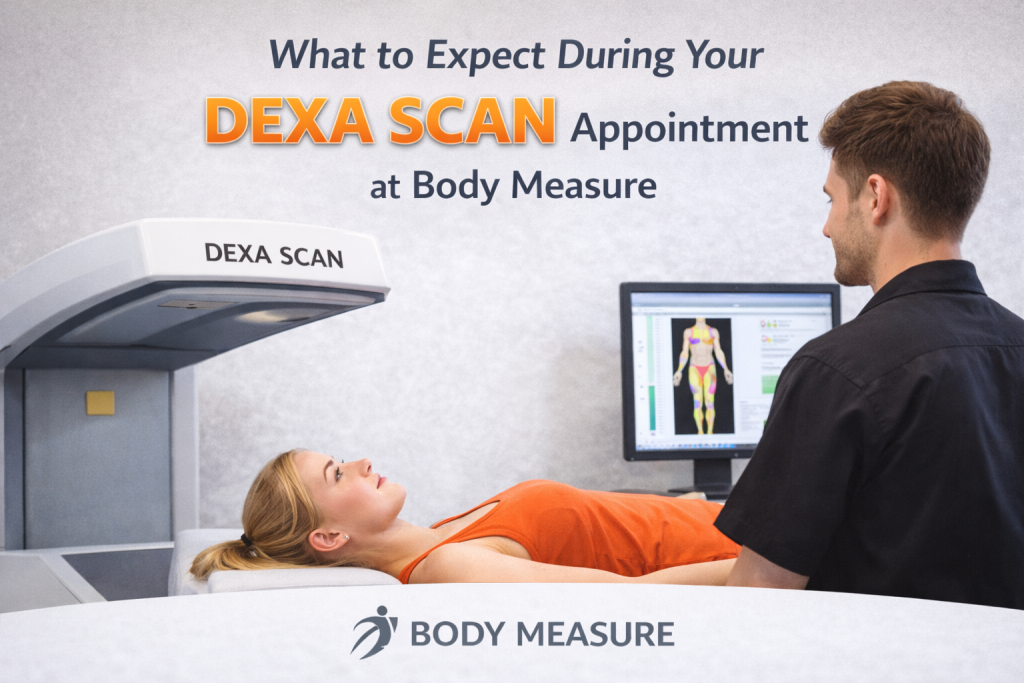

Searching for a DEXA scan in Sydney usually means one thing: you want accurate information about your body composition, and you want to book with confidence. What many people discover quickly, however, is that not all DEXA scans or providers offer the same experience, level of detail or long-term value.
Some clinics focus on medical imaging, others on performance testing, and some offer DEXA as a one-off service without support for ongoing tracking. This can make it difficult to know which option is right, particularly if your goal is more than a single measurement.
Choosing the right DEXA clinic matters. Factors such as equipment quality, scanning protocols, consistency between scans and how results are explained all influence how useful the data will be over time. For people interested in health monitoring, fitness tracking or long-term body composition insight, these details are just as important as availability or location.
This article explains what to look for when booking a DEXA scan in Sydney, the differences between common provider types, and how to choose a clinic that delivers accurate, meaningful results rather than just numbers on a page.
Key Takeaways
- Not all DEXA scans in Sydney are designed for body composition tracking
- DEXA body composition scans are different from medical bone density exams
- Provider type affects accuracy, consistency and usefulness of results
- Consistent scanning protocols are essential for long-term tracking
- Specialist DEXA clinics offer advantages over one-off testing locations
Summary Table: Comparing DEXA Scan Options in Sydney
| Provider Type | Type of DEXA Offered | Best For | Key Limitations |
| Hospital imaging centres | Medical Bone Mineral Density (BMD) | Diagnosing and monitoring bone health | Not designed for body composition tracking |
| Radiology clinics | Primarily BMD exams | Medical referrals and clinical assessment | Limited focus on body composition and repeat tracking |
| Sports science facilities | Performance-focused body composition | Athletes and research settings | May lack consistency for long-term public tracking |
| Specialist DEXA clinics | Body composition DEXA | Health monitoring, fitness tracking, repeat scans | Private booking required |
What Is a DEXA Body Composition Scan?
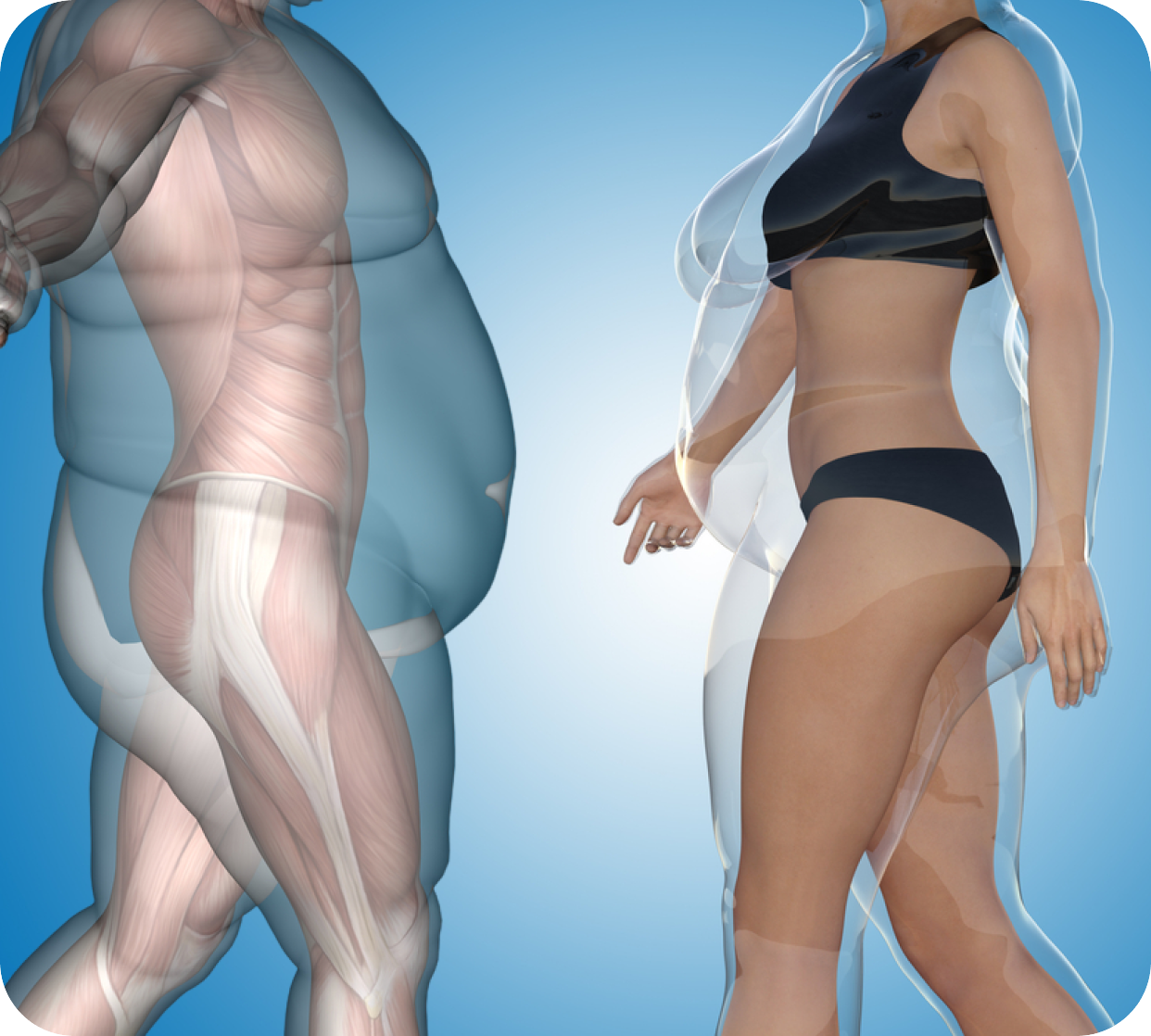
A DEXA body composition scan is a specialised imaging assessment that measures how weight is distributed across fat mass, lean mass and bone mass. Rather than estimating body fat or relying on indirect calculations, it uses dual-energy X-ray technology to directly analyse different tissue types throughout the body.
For people searching for DEXA scans in Sydney, this is usually the type of scan they are looking for. Body composition DEXA is commonly used for tracking changes related to health, fitness, performance and long-term wellbeing. It provides detailed information that cannot be obtained from scales, BMI calculations or basic body fat measurements.
It is important to distinguish body composition DEXA from medical Bone Mineral Density (BMD) scans. While both use DEXA technology, they serve different purposes. A BMD scan focuses specifically on bone density at clinical sites such as the hip and spine and is reported by a Radiologist. These exams are used to assess osteoporosis risk and are often accessed through medical referral pathways.
Body composition DEXA scans measure bone mass as part of overall body composition, but they do not diagnose osteoporosis or assess bone strength. They are performed privately and are designed for individuals seeking insight into body fat distribution, muscle mass changes and overall composition trends over time.
Understanding this distinction helps ensure the right scan is booked for the right goal. Choosing a provider that specialises in body composition DEXA improves clarity, accuracy and the usefulness of results, particularly when scans are repeated for long-term tracking.
Types of DEXA Providers in Sydney
When searching for a DEXA scan in Sydney, you will find several different provider types offering scans that may appear similar on the surface but serve very different purposes. Understanding these differences helps avoid booking the wrong scan or choosing a provider that does not suit long-term tracking.
Hospital imaging centres and radiology clinics primarily offer Bone Mineral Density DEXA scans. These are medical exams used to assess bone density and fracture risk, typically performed following a GP or specialist referral. While they use DEXA technology, they are not designed for detailed body composition analysis or repeat fitness and health tracking.
Sports science and performance facilities may offer body composition testing, sometimes including DEXA. These services are often geared toward athletes or research environments. While the data can be detailed, availability, consistency and long-term access can vary, and result interpretation may focus on performance metrics rather than broader health context.
Specialist DEXA clinics focus specifically on body composition scanning. These clinics use medical-grade DEXA equipment with consistent protocols designed for repeat scanning. The emphasis is on accuracy, clarity and the ability to track changes over time rather than one-off measurements.
For individuals looking to monitor fat mass, lean mass and overall body composition in a reliable and repeatable way, specialist DEXA clinics are generally the most appropriate option. They are structured around private bookings, consistent scanning conditions and clear explanation of results.
Choosing the right provider type ensures the scan aligns with your goal, whether that is medical assessment, performance insight or long-term body composition tracking.
What to Look for When Choosing a DEXA Clinic in Sydney
Not all DEXA clinics in Sydney deliver the same level of accuracy or long-term value. When the goal is meaningful body composition insight rather than a one-off number, several factors become especially important.
Medical-grade DEXA equipment is essential. Consumer or hybrid scanners may estimate body composition, but true DEXA provides direct measurement of fat mass, lean mass and bone mass with high precision. This forms the foundation for reliable results.
Consistent scanning protocols matter just as much as the equipment itself. Body position, region analysis and software settings all affect results. Clinics that follow standardised protocols allow scans to be compared over time without introducing unnecessary variability.
Experience with repeat scans is another key consideration. A clinic designed for ongoing tracking understands how to interpret small changes, explain trends and avoid over-reacting to normal biological variation. This is particularly important for people monitoring progress over months or years.
Clear explanation of results helps turn data into understanding. Body composition reports contain detailed information, and without proper context they can be confusing or misinterpreted. Clinics that prioritise clear, calm explanation support better decision-making.
Finally, location and ease of booking matter for consistency. Choosing a clinic that is accessible and easy to return to increases the likelihood of repeat scans being performed under similar conditions, improving the accuracy of long-term tracking.
Together, these factors determine whether a DEXA scan becomes a useful planning tool or simply a standalone measurement.
What to Look for When Choosing a DEXA Clinic in Sydney
Not all DEXA clinics in Sydney deliver the same level of accuracy or long-term value. When the goal is meaningful body composition insight rather than a one-off number, several factors become especially important.
Medical-grade DEXA equipment is essential. Consumer or hybrid scanners may estimate body composition, but true DEXA provides direct measurement of fat mass, lean mass and bone mass with high precision. This forms the foundation for reliable results.
Consistent scanning protocols matter just as much as the equipment itself. Body position, region analysis and software settings all affect results. Clinics that follow standardised protocols allow scans to be compared over time without introducing unnecessary variability.
Experience with repeat scans is another key consideration. A clinic designed for ongoing tracking understands how to interpret small changes, explain trends and avoid over-reacting to normal biological variation. This is particularly important for people monitoring progress over months or years.
A clear explanation of results helps turn data into understanding. Body composition reports contain detailed information, and without proper context they can be confusing or misinterpreted. Clinics that prioritise clear, calm explanations support better decision-making.
Finally, location and ease of booking matter for consistency. Choosing a clinic that is accessible and easy to return to increases the likelihood of repeat scans being performed under similar conditions, improving the accuracy of long-term tracking.
Together, these factors determine whether a DEXA scan becomes a useful planning tool or simply a standalone measurement.
Why Consistency Matters for Body Composition Tracking
Body composition changes slowly and often in small increments. This means the value of a DEXA scan comes not just from the initial measurement, but from the ability to compare results accurately over time.
Consistency is critical because DEXA results are influenced by scanning protocols, equipment calibration and software settings. When scans are performed at different clinics or under different conditions, small differences in technique can appear as changes in body composition that are not physiologically real.
Using the same clinic, the same equipment and the same scanning process reduces this variability. This allows trends in fat mass, lean mass and regional distribution to reflect true changes rather than measurement noise.
Inconsistent testing often leads to confusion. People may believe progress has stalled or reversed when the difference is simply due to a change in the machine or protocol. Over time, this can undermine confidence in the data and reduce the usefulness of the scan altogether.
For individuals using DEXA to guide health or fitness decisions, consistency turns measurements into meaningful insight. It allows gradual changes to be identified with confidence and supports informed adjustments rather than guesswork.
Why Body Measure Is Different
Not all DEXA scans are equal. While many providers offer access to DEXA technology, the value of the results depends heavily on how scans are performed, interpreted and compared over time.
At Body Measure, DEXA scanning is treated as a measurement service, not a novelty or one-off experience. Scans are performed using medical-grade DEXA equipment with consistent positioning, protocols and software settings. This consistency is essential for producing results that can be meaningfully compared across time, rather than simply viewed in isolation.
Body Measure focuses specifically on body composition and bone health assessment. This specialisation means scans are conducted with a clear understanding of why accuracy, repeatability and regional analysis matter, particularly for clients tracking fat loss, muscle gain, bone density or visceral fat trends.
Clear explanation is also a key part of the service. Results are not presented as raw numbers alone. Clients are supported in understanding what their data shows, how it fits into their broader health or fitness goals, and how to interpret changes between scans without overreacting to normal biological variation.
By prioritising precision, consistency and education, Body Measure provides DEXA scans that function as a reliable tracking tool rather than a one-off snapshot. This approach supports long-term decision-making and helps clients use their data with confidence.
Final Thoughts
Finding the right DEXA scan provider is not just about access to the technology. It is about accuracy, consistency and how well the results can be used over time. Body composition data is only valuable when it can be trusted and meaningfully compared, particularly for those tracking fat loss, muscle gain, visceral fat or bone health.
In Sydney, DEXA scanning options vary widely in quality, purpose and expertise. Choosing a provider that specialises in body composition and bone health, uses medical-grade equipment, and applies consistent scanning protocols makes a measurable difference to the usefulness of the results.
At Body Measure, DEXA scans are designed to support long-term tracking rather than one-off curiosity. With a focus on precision, repeatability and clear interpretation, clients are able to move beyond assumptions and use objective data to guide health, fitness and performance decisions with confidence.
For anyone seeking reliable body composition testing in Sydney, the goal should always be clarity, consistency and data that can actually inform action. DEXA, when performed properly, provides exactly that.
FAQs Answered
Where can I get a high-quality DEXA scan in Sydney?
High-quality DEXA scans are available through specialised body composition and bone health clinics that use medical-grade DEXA equipment and consistent scanning protocols. In Sydney, Body Measure offers professional DEXA scanning with a focus on accuracy, repeatability and clear explanation of results.
What is the most accurate body composition scan available in Sydney?
DEXA is considered the most accurate and reliable method for measuring body composition, including fat mass, lean mass, bone mass and visceral fat estimates. Unlike gym scanners or BIA devices, DEXA measures tissues directly rather than relying on predictive equations.
Do I need a referral to get a DEXA scan at Body Measure?
No. Body composition DEXA scans at Body Measure do not require a referral. Appointments can be booked directly, making it easy to access accurate body composition testing without delays.
How long does a DEXA scan appointment take?
A DEXA scan appointment at Body Measure is typically completed within 15 to 20 minutes. This includes preparation, scanning and an explanation of results, making it a convenient option even for busy schedules.
How often should I repeat a DEXA scan to track progress?
For most people, repeating a DEXA scan every 8 to 12 weeks is appropriate for tracking meaningful changes in body composition. This timeframe allows enough time for genuine adaptations to occur without over-interpreting short-term variation.
Is DEXA suitable for both fitness tracking and health monitoring?
Yes. DEXA is widely used for both fitness-focused body composition tracking and health-related monitoring, including visceral fat and bone health. This makes it suitable for athletes, gym-goers, and individuals focused on long-term health outcomes.