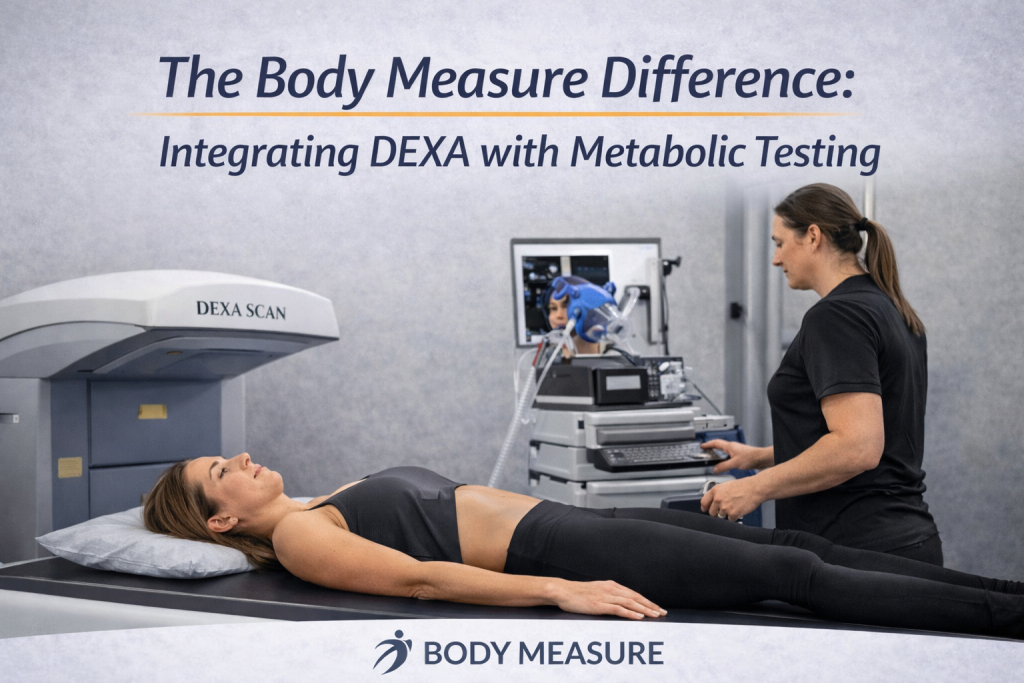
The Body Measure Difference: Integrating DEXA with Metabolic Testing

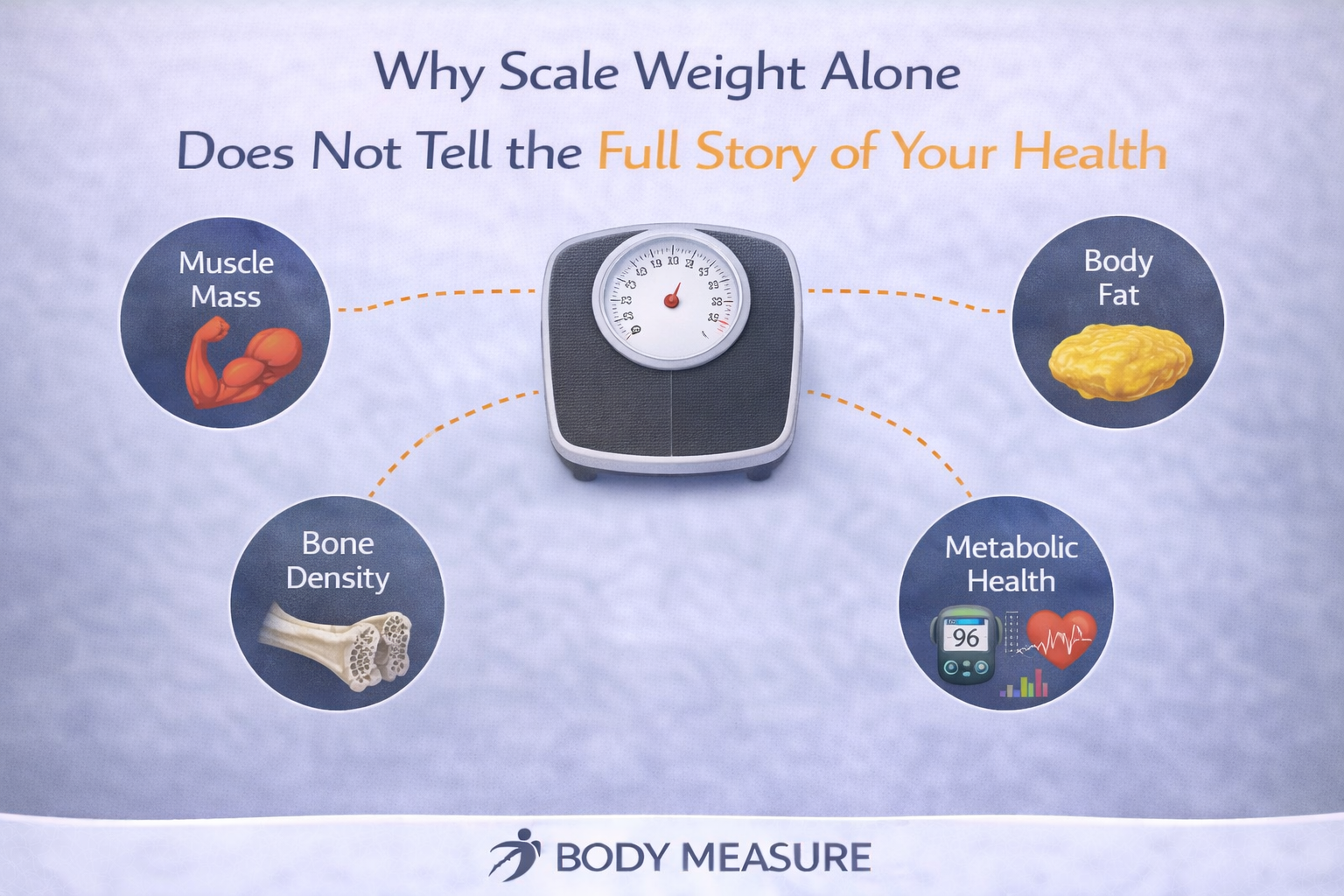
Many people trying to improve their health, lose body fat, or optimise physical performance are working with incomplete information. Traditional tools such as scales, BMI calculations and basic fitness assessments provide only a limited view of what is happening inside the body.

At Body Measure, the approach goes much further by combining DEXA body composition scanning with metabolic testing. This integrated method provides a deeper understanding of both body structure and energy metabolism, allowing individuals to see not only what their body is made of, but also how efficiently it uses energy.

DEXA scans provide highly accurate measurements of fat mass, lean muscle and bone mass, while metabolic testing reveals how many calories the body burns and how it uses fuel. When these two assessments are interpreted together, they create a much clearer picture of overall health and performance potential.

Rather than relying on assumptions or generic formulas, integrated testing allows Body Measure clients to base decisions about training, nutrition and long-term health on objective data. This combination is what sets Body Measure apart from many traditional health assessments.

Key Takeaways

  • DEXA scans provide highly accurate measurements of body composition, including fat mass, lean mass and visceral fat.
    • Metabolic testing reveals how efficiently the body burns calories and uses energy.
    • Combining these assessments provides a more complete understanding of health and performance.
    • Integrated data supports personalised training and nutrition strategies.
    • Body Measure uses advanced testing to provide evidence-based health insights rather than guesswork.

Summary Table: DEXA and Metabolic Testing at Body Measure

AssessmentWhat It MeasuresWhy It Matters
DEXA Body Composition ScanFat mass, lean mass, visceral fat and bone massProvides precise insight into body composition and health risk
Resting Metabolic Rate (RMR) TestingCalories burned at restDetermines true daily energy needs
Fuel UtilisationRatio of fat vs carbohydrate metabolismHelps guide nutrition and training decisions
Integrated Data AnalysisCombined structural and metabolic insightsEnables personalised health strategies
Ongoing TestingRepeat DEXA and metabolic assessmentsAllows accurate progress tracking over time

Why Body Composition Alone Doesn’t Tell the Full Story

Understanding body composition is an important first step in improving health. Knowing how much fat mass, lean muscle and visceral fat the body carries provides valuable insight into overall health risk, fitness progress and physical performance.

DEXA scans are widely regarded as the gold standard for body composition analysis because they measure these components directly. Unlike scales or bioelectrical impedance devices, DEXA provides highly accurate measurements of how body weight is distributed across different tissues.

However, body composition alone does not explain how the body actually uses energy.

Two individuals may have similar body fat percentages yet respond very differently to diet, exercise and calorie intake. One person may lose fat easily while another struggles despite following the same approach. These differences are often related to variations in metabolic rate and how efficiently the body uses fuel.

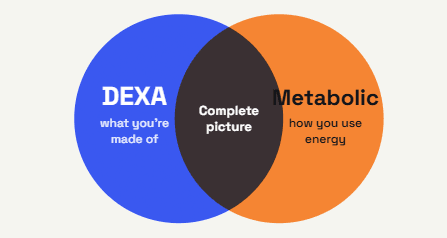
This is where metabolic testing becomes valuable. While DEXA reveals the structural composition of the body, metabolic testing explains how the body burns calories and uses energy throughout the day.

By combining both assessments, Body Measure can provide a far more complete understanding of individual physiology, helping clients move beyond guesswork and toward evidence-based health strategies.

What Is Metabolic Testing?

Metabolic testing measures how the body uses oxygen and energy to determine how efficiently it burns calories. One of the most common assessments used for this purpose is Resting Metabolic Rate (RMR) testing.

RMR testing calculates the number of calories the body burns while at rest to maintain essential functions such as breathing, circulation and cellular activity. This measurement represents the baseline level of energy your body requires each day before accounting for exercise or daily movement.

Many nutrition plans rely on estimated calorie formulas based on age, weight and gender. While these formulas provide a rough guide, they can vary significantly from a person’s true metabolic rate. Metabolic testing removes this uncertainty by measuring how the body actually uses energy.

In addition to calorie expenditure, metabolic testing can also reveal fuel utilisation patterns. This refers to whether the body tends to burn carbohydrates or fat more efficiently for energy. Understanding this balance can help explain why certain nutrition or training strategies work well for some individuals but not others.

When metabolic testing is interpreted alongside DEXA body composition data, it becomes much easier to understand how body structure and metabolism interact. This combination provides a more complete picture of how the body stores energy, uses fuel and responds to lifestyle changes.

The Power of Combining DEXA and Metabolic Testing

Individually, both DEXA scanning and metabolic testing provide valuable insights into health and performance. When combined, however, they create a far more powerful understanding of how the body functions.

DEXA scans reveal what the body is made of by measuring fat mass, lean mass, visceral fat and bone mass with high precision. This structural information helps identify body composition patterns, health risks and physical changes over time.

Metabolic testing, on the other hand, explains how the body uses energy. By measuring resting metabolic rate and fuel utilisation, it shows how efficiently the body burns calories and whether it tends to rely more on carbohydrates or fat for energy.

When these two assessments are interpreted together, a much clearer picture emerges. For example, a DEXA scan may show higher body fat levels, but metabolic testing might reveal that a person’s metabolism is slower than expected. In another case, someone with healthy body composition may discover that their metabolic rate is higher than predicted, meaning their calorie needs are greater than typical guidelines suggest.

By analysing both structural and metabolic data, Body Measure can provide insights that would not be visible through a single test alone. This integrated approach helps explain why certain strategies work well for some individuals but not for others.

The result is a more informed starting point for decisions around training, nutrition and long-term health, supported by objective measurements rather than assumptions.

How Integrated Testing Supports Personalised Health Strategies

One of the biggest limitations of many health and fitness programs is that they rely on general guidelines rather than individual data. Calorie targets, training plans and nutrition advice are often based on averages that may not reflect how a specific person’s body actually functions.

By combining DEXA body composition analysis with metabolic testing, Body Measure can provide insights that support far more personalised health strategies.

For example, DEXA results may show how body fat is distributed, how much lean muscle mass is present and whether visceral fat levels are changing over time. Metabolic testing then adds another layer of understanding by revealing how many calories the body burns at rest and how efficiently it uses different fuel sources.

When interpreted together, this information helps individuals make more informed decisions about lifestyle changes. Instead of relying on trial and error, clients can understand whether their current nutrition approach aligns with their metabolism or whether adjustments may be beneficial.

This integrated approach also supports more meaningful progress tracking. Repeat DEXA scans can reveal structural changes in body composition, while metabolic testing helps explain how the body is adapting to training, nutrition or recovery strategies.

By using objective data to guide decisions, Body Measure helps clients move away from guesswork and toward health strategies that are informed by how their body actually works.

Who Benefits Most from Integrated Testing

Integrated testing can benefit anyone who wants a clearer understanding of their health, but it is particularly valuable for individuals who want to move beyond basic measurements such as weight or BMI.

People focused on body composition goals often find this approach especially useful. DEXA scans allow fat loss and muscle gain to be tracked with high precision, while metabolic testing provides insight into how the body is using energy. Together, these measurements can help explain why certain strategies are working or why progress may have slowed.

Athletes and performance-focused individuals can also gain important insights from integrated testing. Understanding both body composition and metabolic efficiency helps optimise training programs, recovery strategies and nutrition planning.

Individuals experiencing weight loss plateaus are another group that may benefit. In some cases, metabolic testing can reveal whether the body’s energy expenditure is lower than expected, which may influence how diet and activity are approached moving forward.

Integrated testing can also be valuable for those focused on long-term health monitoring. Tracking factors such as visceral fat, lean mass and metabolic rate over time provides a clearer understanding of how lifestyle changes are affecting overall wellbeing.

By combining multiple measurements into a single assessment process, Body Measure helps clients gain a deeper understanding of their physiology and how it evolves over time.

Final Thoughts

Understanding your health requires more than a single measurement. While body composition analysis provides valuable insight into fat mass, lean muscle and visceral fat, it does not fully explain how the body uses energy or why individuals respond differently to diet and exercise.

By combining DEXA scanning with metabolic testing, Body Measure offers a more complete approach to health assessment. This integrated method allows both the structure of the body and its metabolic function to be measured together, creating a clearer understanding of how lifestyle choices influence overall health and performance.

Rather than relying on estimates or general guidelines, clients gain access to objective data that can support more informed decisions around nutrition, training and long-term wellbeing.

For individuals looking to improve body composition, understand their metabolism or track meaningful changes over time, integrating DEXA with metabolic testing provides a powerful and evidence-based starting point.

FAQs Answered

Where can I get metabolic testing and a DEXA scan together in Sydney?

Specialist health clinics that focus on advanced body composition and metabolic analysis offer the ability to perform both tests together. In Sydney, Body Measure provides integrated testing that combines DEXA body composition scanning with metabolic assessments such as resting metabolic rate testing. This approach allows clients to understand both how their body is structured and how it uses energy.

What is the difference between metabolic testing and a DEXA scan?

A DEXA scan measures body composition, including fat mass, lean mass, visceral fat and bone mass. It provides a precise picture of how body weight is distributed across different tissues.

Metabolic testing measures how the body uses energy, including how many calories the body burns at rest and how efficiently it uses fat or carbohydrates as fuel. When combined, these assessments provide a more complete understanding of both body structure and metabolism.

How accurate is resting metabolic rate testing?

Resting metabolic rate (RMR) testing is considered one of the most accurate ways to measure daily energy expenditure at rest. Unlike estimated calorie formulas that rely on averages, metabolic testing measures oxygen consumption to determine how many calories the body actually burns while at rest.

This allows for a more personalised understanding of energy needs.

Do I need to prepare for metabolic testing at Body Measure?

Preparation for metabolic testing is generally simple. Clients are typically advised to avoid exercise, caffeine and large meals for a period before the test to ensure accurate results. Specific preparation instructions are provided when booking an appointment at Body Measure.

How often should metabolic testing and DEXA scans be repeated?

For most individuals, repeating these assessments every 8 to 12 weeks allows enough time for meaningful changes in body composition and metabolic function to occur. This timeframe helps ensure that results reflect genuine physiological changes rather than normal short-term variation.

Can metabolic testing help explain why I’m not losing weight?

Yes. In some cases, metabolic testing can reveal that a person’s resting metabolic rate is lower than expected. This can help explain why standard calorie targets or diet plans may not be producing the expected results. Understanding metabolic rate allows individuals to make more informed adjustments to nutrition and lifestyle strategies.