
Menopause is a natural stage of life that brings significant hormonal changes. As oestrogen levels decline, many women begin to notice shifts in how their body stores fat, how easily muscle mass is maintained and how their overall metabolism responds to diet and exercise.
These changes can sometimes feel confusing. Many women report that habits which previously supported stable weight or body composition no longer seem to produce the same results. Even when physical activity and nutrition remain consistent, body composition may gradually change during the menopausal transition.
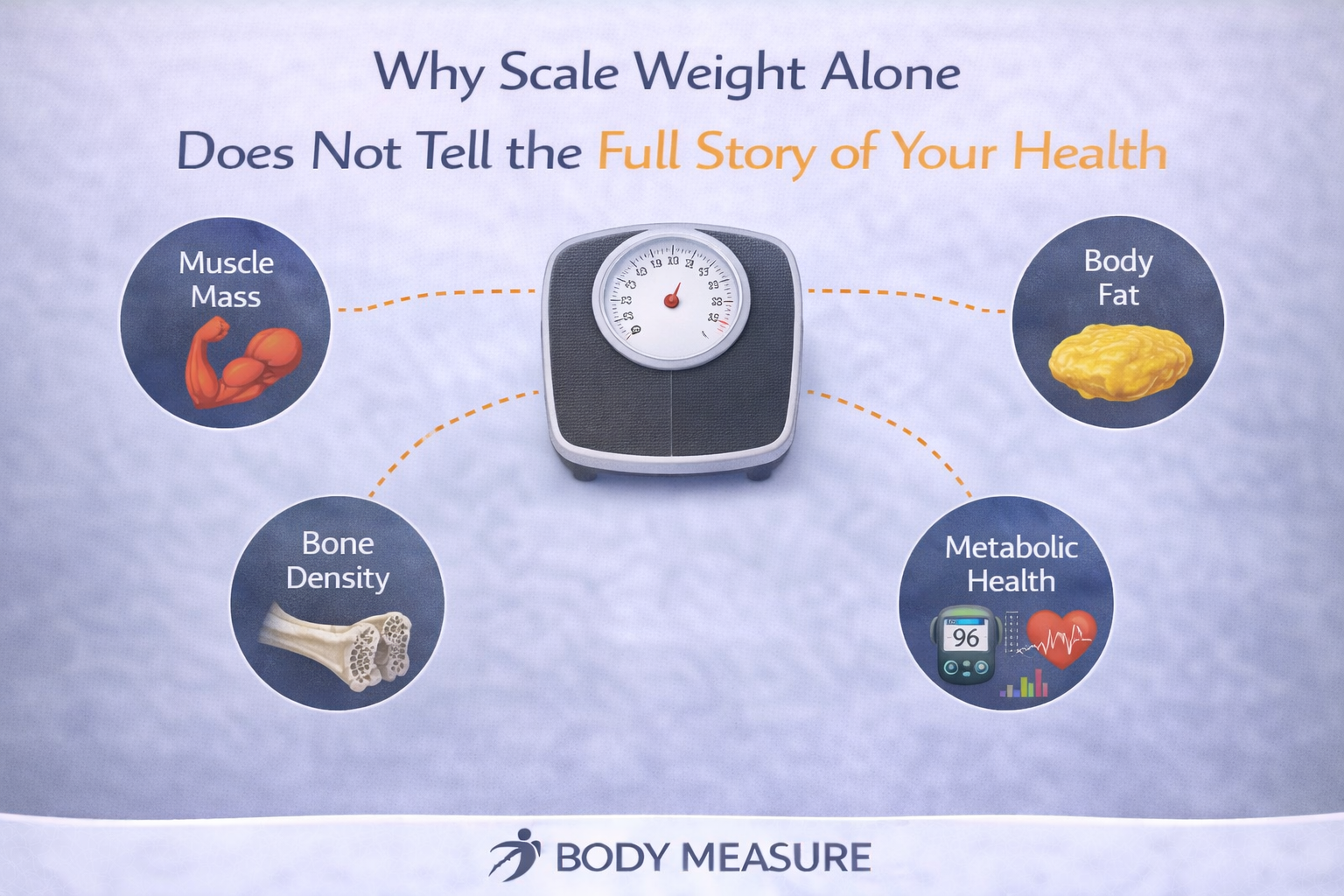
While these changes are common, understanding what is actually happening inside the body can be difficult without accurate measurement. Body weight alone does not reveal whether changes are occurring in fat mass, muscle mass or bone density.
DEXA scanning provides a clearer picture. By measuring body composition and bone density with high precision, DEXA scans help women understand how menopause may be influencing their body. This insight can support more informed health decisions and allow changes to be monitored over time.
Key Takeaways
- Hormonal changes during menopause can influence body composition.
- Many women experience shifts in fat distribution and muscle mass during this stage of life.
- Bone density becomes an increasingly important health consideration after menopause.
- DEXA scans provide accurate measurements of fat, muscle and bone density.
- Tracking body composition over time can help women better understand these changes.
Summary Table: Common Body Composition Changes During Menopause
| Change | What Happens | Why It Matters |
| Hormonal Shifts | Declining oestrogen levels | Influences fat storage patterns and metabolism |
| Fat Distribution | Increased abdominal fat storage | Associated with metabolic health changes |
| Muscle Mass | Gradual decline in lean muscle | May influence strength and metabolic rate |
| Bone Density | Increased risk of bone loss | Important for long term skeletal health |
| Metabolic Changes | Slower metabolic rate for some individuals | Can affect how the body uses energy |
Why Menopause Influences Body Composition
Menopause involves a gradual decline in oestrogen, a hormone that plays an important role in regulating several aspects of physiology, including fat distribution, muscle maintenance and bone health. As hormone levels shift, the body may begin to store fat differently and respond differently to physical activity and nutrition.
One common change observed during menopause is a shift in where fat is stored. Many women notice an increase in abdominal fat even if their overall weight has not changed dramatically. This change in fat distribution is associated with hormonal changes rather than simply lifestyle habits.
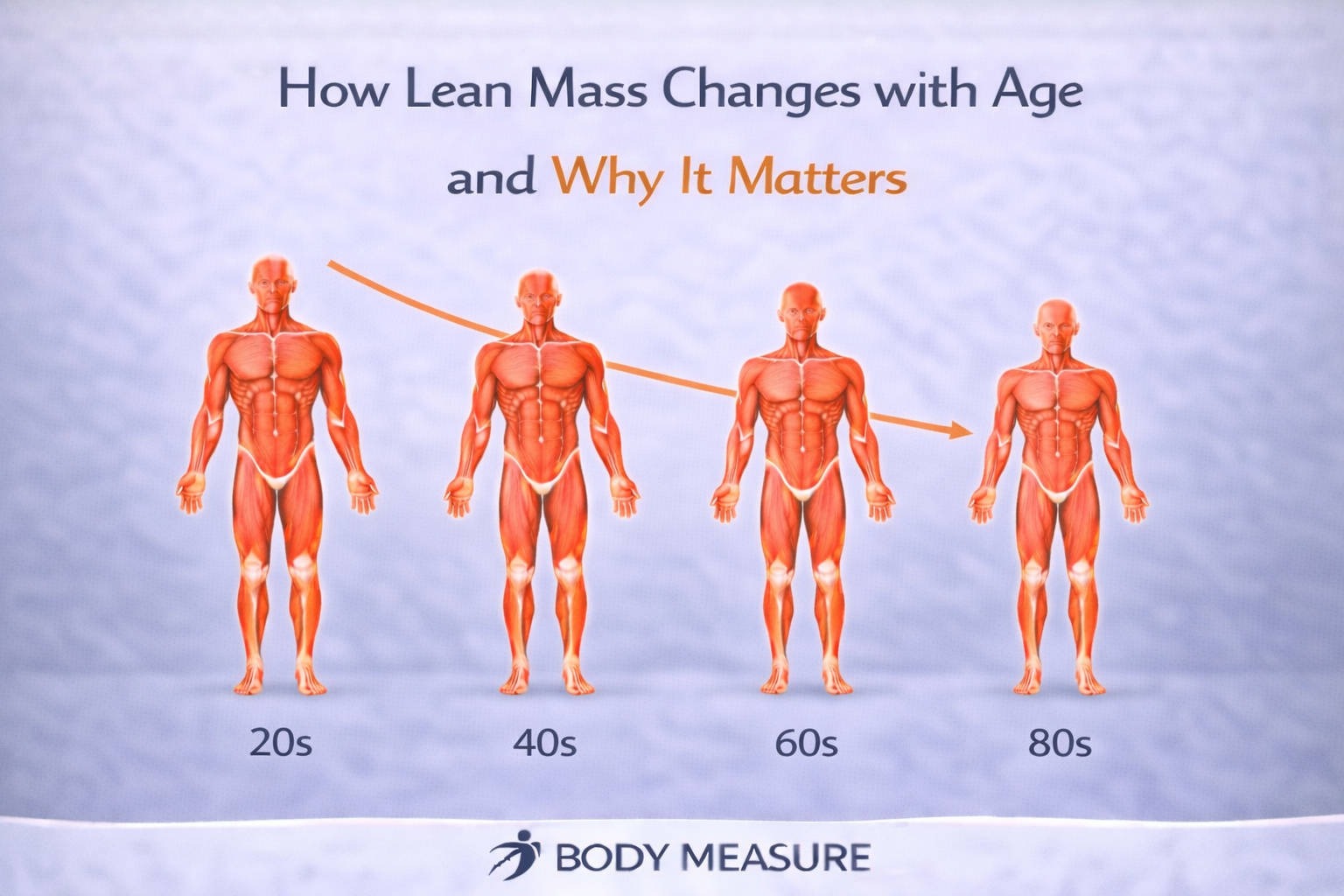
Muscle mass may also gradually decline with age, a process sometimes referred to as age related muscle loss. Hormonal shifts can contribute to this process, which may influence metabolism and overall strength over time.
These changes are a normal part of the ageing process, but they can feel unexpected when they occur. Understanding that body composition may shift during menopause can help provide context and reduce some of the frustration many women experience when their bodies begin to respond differently than they did earlier in life.
Common Body Composition Changes Women Notice
Many women report similar body composition changes during the menopausal transition. One of the most frequently observed changes is an increase in fat stored around the abdomen. This type of fat distribution can occur even in women who have previously carried weight differently.
Another change some women notice is difficulty maintaining muscle mass. Muscle tissue plays an important role in metabolism and physical strength, and maintaining lean muscle can become more challenging as hormonal levels shift.
Body weight itself may also become less predictable. Some women experience gradual weight gain, while others notice that their body shape changes even if their weight remains relatively stable. Because body weight does not distinguish between fat mass and lean muscle mass, these changes can be difficult to interpret using a scale alone.
This is why body composition measurements can be helpful during this stage of life. Understanding whether changes are occurring in fat mass, muscle mass or other components of body composition provides a clearer perspective on how the body is adapting during menopause.
The Importance of Monitoring Bone Health
Bone health becomes an increasingly important consideration during menopause. Oestrogen plays a key role in maintaining bone density, and as hormone levels decline, the rate of bone loss can gradually increase. Over time, this may lead to reduced bone density and a higher risk of conditions such as osteoporosis.
Because bone loss often occurs without noticeable symptoms, many individuals are unaware that their bone density has changed until it is measured. Monitoring bone health during and after menopause can therefore provide valuable insight into long term skeletal strength and fracture risk.
DEXA scanning is widely regarded as the gold standard method for assessing bone density. The technology can measure bone mineral density with a high level of precision, helping to identify changes that may not yet be visible through other indicators.
For women navigating menopause, this type of measurement can provide reassurance as well as early insight. Understanding bone density levels allows individuals to monitor changes over time and discuss appropriate health strategies with their healthcare providers if necessary.
How DEXA Scans Help Women Understand These Changes
DEXA scans provide a detailed analysis of body composition and bone density in a single assessment. This allows women to view multiple aspects of their health at the same time, rather than focusing on body weight alone.
The scan measures several key components, including fat mass, lean muscle mass, visceral fat and bone density. These measurements help create a clearer picture of how the body is structured and how that structure may be changing over time.
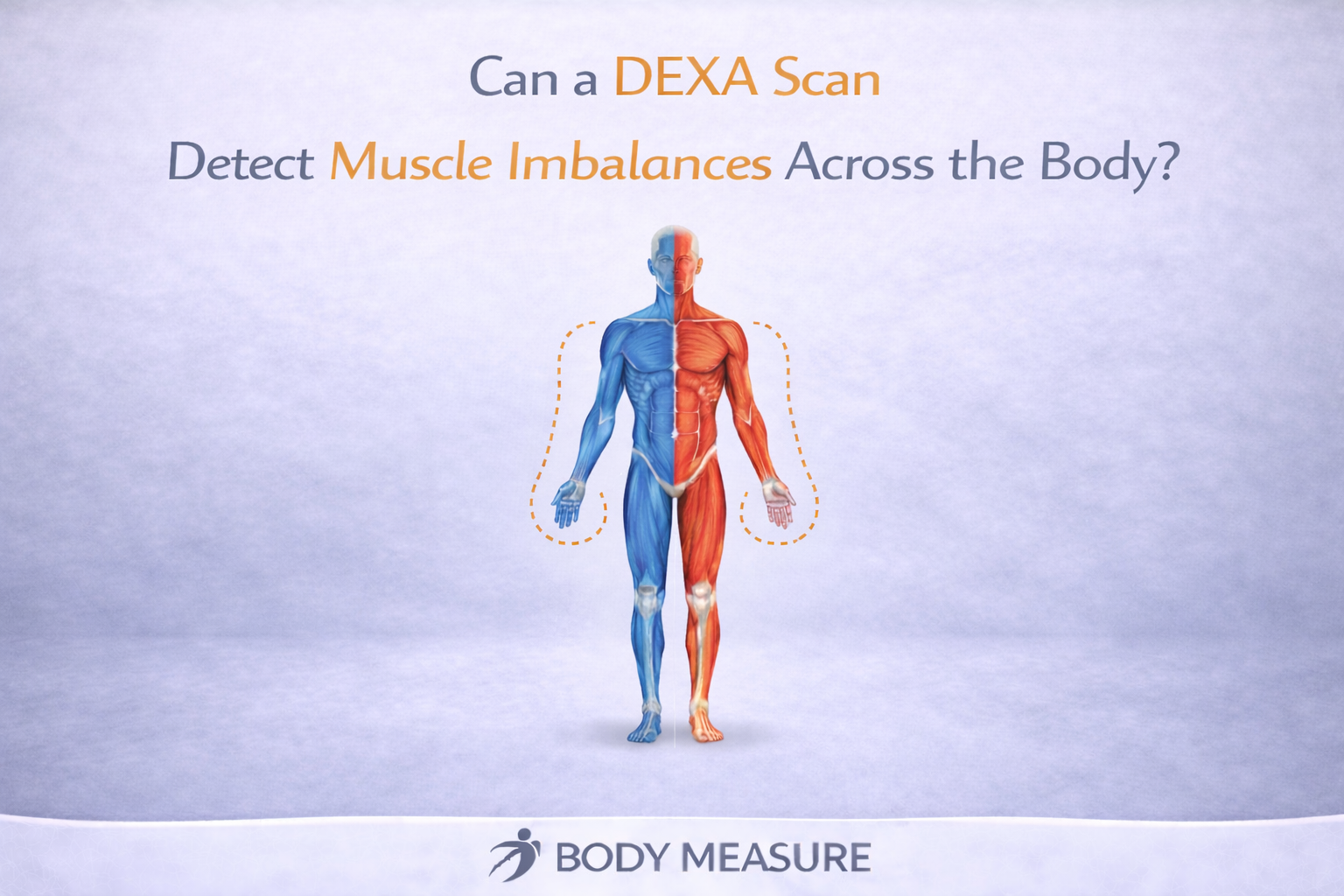
For example, a woman may notice changes in body shape during menopause but may not know whether those changes are due to increased fat mass, reduced muscle mass or shifts in fat distribution. A DEXA scan can help distinguish between these factors by providing precise measurements across different regions of the body.
This level of detail allows individuals to move beyond assumptions and better understand what is actually happening inside the body. When repeated over time, DEXA scans can also track trends, allowing women to monitor how their body composition and bone health evolve during and after the menopausal transition.
Using Body Composition Insights to Support Healthy Ageing
Understanding body composition during menopause can provide valuable context for supporting long term health. While hormonal changes during this stage of life are natural, having accurate insight into how the body is adapting can help individuals approach these changes with greater confidence.
For example, monitoring lean muscle mass can highlight the importance of maintaining strength and physical activity as the body ages. Muscle tissue plays an important role in mobility, balance and metabolic health, making it a key component of healthy ageing.
Similarly, tracking changes in fat distribution can provide useful information about metabolic health. Abdominal fat tends to increase for some women during menopause, and understanding how these changes occur over time can help guide conversations around lifestyle habits and overall wellbeing.
Bone density measurements also play an important role in supporting healthy ageing. By establishing a baseline and monitoring bone health over time, women can gain greater awareness of how their skeletal health is evolving during and after menopause.
DEXA scans provide a practical way to monitor these different aspects of health in a single assessment. Rather than relying solely on body weight or general estimates, women can view measurable changes in muscle, fat and bone density, helping them better understand how their body is adapting during this life stage.
Final Thoughts
Menopause is a natural phase of life that brings a variety of physiological changes. While these changes can sometimes feel unexpected, they are a normal part of the body’s ageing process.
Understanding how menopause influences body composition can help women approach this transition with greater clarity. Accurate measurement provides a clearer picture of what is happening inside the body, allowing individuals to move beyond guesswork and better understand their own physiology.
DEXA scanning offers a valuable tool for monitoring body composition and bone density during this stage of life. By providing precise measurements and the ability to track changes over time, DEXA scans can help women gain greater insight into how their body is adapting throughout the menopausal transition.
FAQs Answered
Can menopause cause changes in body fat distribution?
Yes. Hormonal changes during menopause can influence where fat is stored in the body. Many women notice an increase in abdominal fat during this stage of life, even if their overall body weight has not changed significantly.
This shift in fat distribution is associated with declining oestrogen levels and is a common physiological change during the menopausal transition.
Does menopause affect bone density?
Menopause can influence bone density because oestrogen plays an important role in maintaining bone health. As hormone levels decline, the rate of bone loss may increase for some women.
Monitoring bone density during and after menopause can help identify changes early and provide insight into long term skeletal health.
Is a DEXA scan recommended during menopause?
DEXA scans are commonly used to assess both bone density and body composition. For women going through menopause, a DEXA scan can provide useful insight into bone health, fat distribution and lean muscle mass.
These measurements can help individuals better understand how their body is adapting during this stage of life.
Can a DEXA scan track menopause related body composition changes?
Yes. DEXA scans measure fat mass, lean muscle mass and bone density with a high level of accuracy. When scans are repeated over time, they can show how body composition is changing.
This allows women to monitor trends and better understand how menopause may be influencing their body.
How often should women have a bone density scan during menopause?
The appropriate frequency for bone density monitoring can vary depending on individual health history and risk factors. Many individuals repeat DEXA scans at intervals recommended by their healthcare provider to track bone density changes over time.
DEXA scans can also be repeated periodically to monitor body composition alongside bone health.
Where can women get a DEXA scan in Sydney?
DEXA scanning is available through specialised clinics that provide advanced body composition and bone density testing. In Sydney, Body Measure offers medical grade DEXA scans designed to provide accurate measurements of body composition and bone health.
These scans help individuals gain clearer insight into how their body is changing and allow trends to be monitored over time.