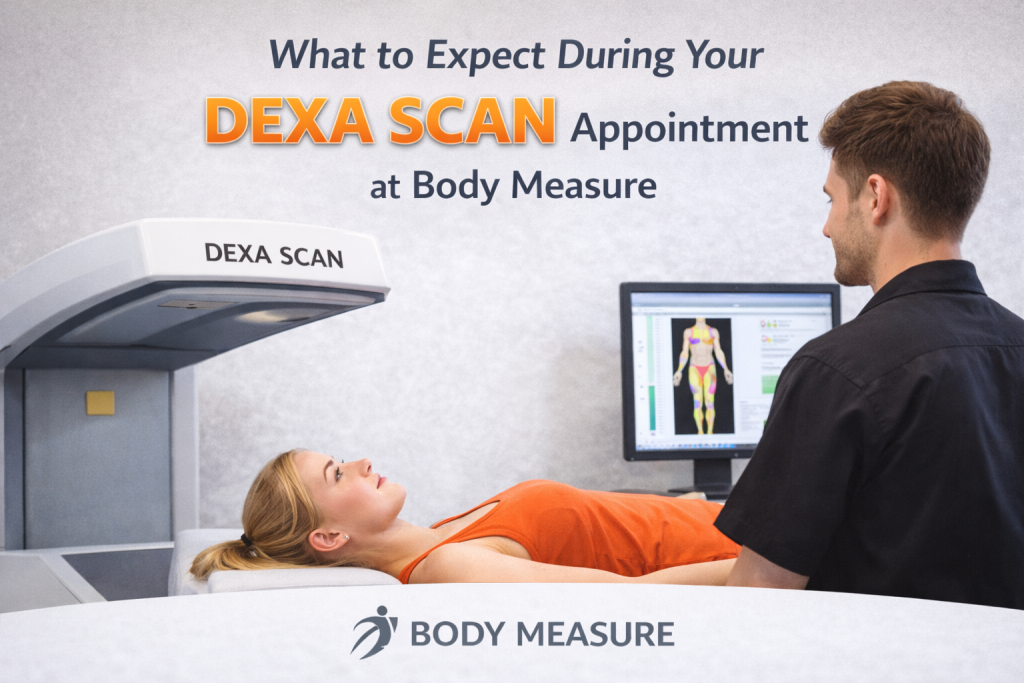

For athletes and regular gym-goers, tracking fitness progress can be surprisingly frustrating. Many people rely on body weight, mirror checks or basic measurements, only to feel stalled or confused when results do not match the effort being put in. The problem is not a lack of progress, but the way progress is being measured.
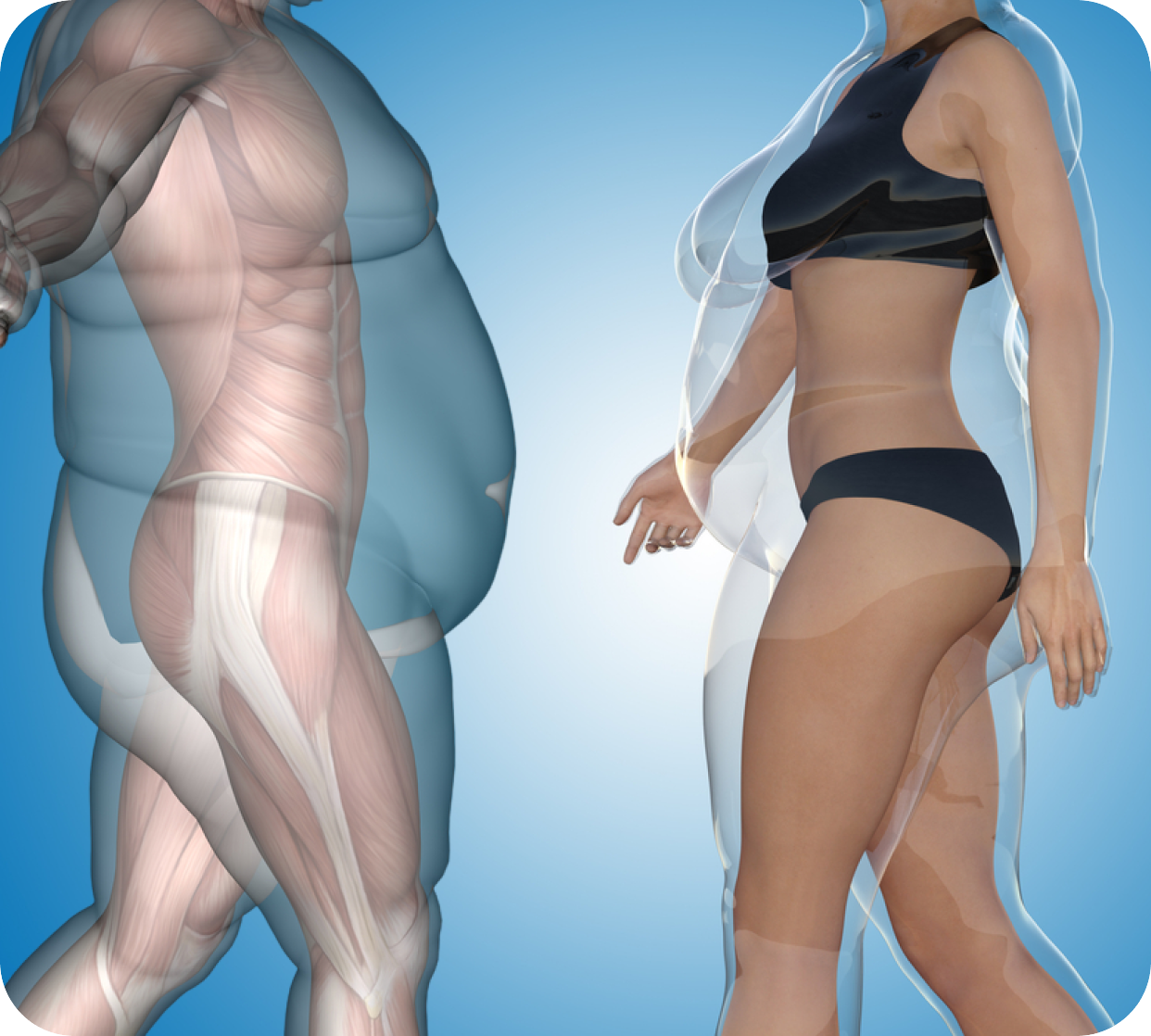
Training often leads to simultaneous fat loss and muscle gain. When this happens, body weight may stay the same or even increase, despite clear improvements in strength, performance and conditioning. Traditional tracking tools struggle to capture these changes, which can lead to misinterpretation and unnecessary changes to training or nutrition.
DEXA body composition scanning offers a clearer way to track progress. Rather than estimating or guessing, it measures fat mass, lean mass and bone mass directly, while also showing how these tissues are distributed across the body. This article explains how athletes and gym-goers can use DEXA to track progress accurately, understand body recomposition, and make informed decisions based on objective data rather than assumptions.
Key Takeaways
- Scale weight alone is a poor indicator of fitness progress
- Muscle gain and fat loss can occur without weight change
- DEXA measures fat mass, lean mass and bone mass directly
- Regional analysis provides insight into muscle balance and symmetry
- Tracking trends over time is more valuable than single measurements
- DEXA supports data-driven training and nutrition decisions
Summary Table: Traditional Tracking vs DEXA Tracking
| Tracking Method | What It Shows | Limitations | Best Use |
| Body weight | Total weight only | Cannot distinguish fat from muscle | General monitoring |
| Progress photos | Visual changes | Subjective and inconsistent | Motivation |
| Tape measurements | Circumference changes | Limited detail, no tissue breakdown | Basic size changes |
| DEXA scan | Fat mass, lean mass, bone mass, regional breakdown | Requires access and repeat scans | Accurate fitness progress tracking |
Why the Scale Fails Athletes and Gym-Goers

For athletes and people who train regularly, body weight is often the least useful measure of progress. The scale shows a single number that combines fat, muscle, water and bone, without explaining what is actually changing inside the body.
When training intensity increases, it is common to gain lean muscle while losing fat at the same time. Because muscle is denser than fat, these changes can offset each other on the scale. This can create the impression that progress has stalled, even when body composition is improving and performance is increasing.
Hydration levels, glycogen storage and inflammation from training can also cause short-term weight fluctuations. These changes are normal, but they can mask genuine progress and lead to unnecessary adjustments in training or nutrition when relying solely on scale weight.
DEXA addresses this limitation by separating fat mass and lean mass directly. Instead of asking whether weight has changed, it answers a more useful question: what has changed. For athletes and gym-goers focused on performance and body recomposition, this clarity is essential for tracking progress accurately.
What DEXA Measures for Fitness Tracking
DEXA body composition scans provide a detailed breakdown of the body’s key components, making them particularly useful for athletes and gym-goers who want to understand how training is affecting their physique. Rather than estimating body fat or relying on indirect measurements, DEXA measures tissues directly.
A DEXA scan measures fat mass, showing both total body fat and how it is distributed. This includes subcutaneous fat and an estimate of visceral fat, which can be relevant for overall health and conditioning.
It also measures lean mass, which includes skeletal muscle and other non-fat tissues. For fitness tracking, lean mass data is especially valuable because it allows muscle gain or loss to be identified independently of body weight changes.
Bone mass is also measured as part of body composition. While this is not the same as Bone Mineral Density, it contributes to understanding overall body composition and long-term structural changes.
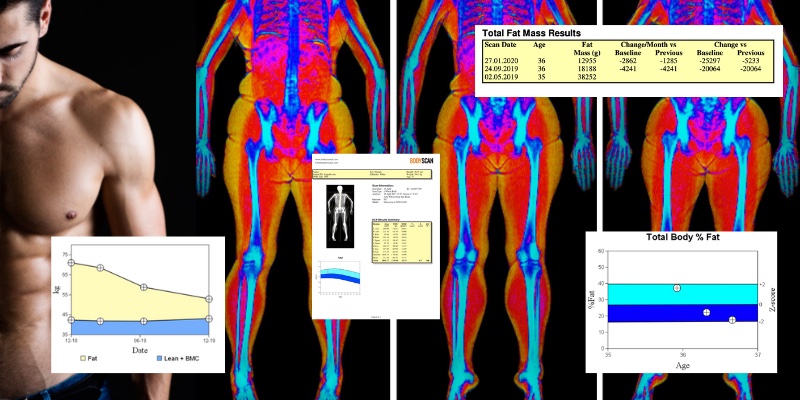
In addition to total values, DEXA provides regional body composition, breaking results down into areas such as arms, legs and trunk. This level of detail supports a clearer understanding of how training is affecting different parts of the body and helps track progress with far greater accuracy than traditional methods.
Using DEXA to Track Fat Loss and Muscle Gain
One of the biggest advantages of DEXA for athletes and gym-goers is its ability to track fat loss and muscle gain independently. Traditional methods often blur these changes together, making it difficult to know whether training and nutrition strategies are working as intended.
DEXA clearly separates fat mass and lean mass, allowing changes in each to be measured directly. This is especially important during body recomposition phases, where the goal is to reduce fat while maintaining or increasing muscle. In these situations, body weight may change very little, even though meaningful improvements are occurring.
By comparing DEXA scans over time, it becomes possible to see whether fat mass is decreasing, lean mass is increasing, or both. This removes guesswork and helps confirm whether training programs and nutritional approaches are aligned with goals.
DEXA also helps identify situations where progress may not be occurring as expected. For example, if weight loss is accompanied by a reduction in lean mass, this can prompt a review of training load or recovery strategies. Using objective data allows adjustments to be made with confidence rather than relying on assumptions.
Regional Body Composition and Performance Insights
Beyond total fat and lean mass, one of the most valuable features of DEXA for athletes and gym-goers is its ability to provide regional body composition data. This breaks the body down into specific areas such as the arms, legs and trunk, offering insight that total body numbers alone cannot provide.
Regional analysis allows comparison between the left and right sides of the body. Differences in muscle mass between limbs can occur due to training patterns, injury history or movement habits. Identifying these imbalances can be useful for refining training programs, supporting rehabilitation or reducing injury risk over time.
DEXA also shows how lean mass and fat mass are distributed between the upper and lower body. This information can help athletes understand how different training blocks are influencing specific regions and whether muscle development is balanced relative to performance demands.
For gym-goers focused on aesthetics as well as performance, regional data provides a clearer picture of where changes are occurring. Tracking these patterns over time helps confirm whether targeted training strategies are producing the desired adaptations.
How Often Should Athletes Get a DEXA Scan?
Because body composition changes gradually, DEXA scans are most useful when spaced appropriately rather than performed too frequently. For athletes and regular gym-goers, scans are commonly repeated every 8 to 12 weeks, depending on training cycles and goals.
This timeframe allows enough time for meaningful changes in fat mass or lean mass to occur and be detected accurately. Scanning too frequently may highlight small variations that reflect normal biological fluctuation rather than true training adaptations.
Aligning DEXA scans with training blocks can provide clearer insight into how specific programs are affecting body composition. Using consistent intervals and similar conditions between scans supports more reliable comparisons and helps ensure that trends reflect genuine progress rather than noise in the data.
Why DEXA Is Ideal for Long-Term Fitness Tracking
Long-term fitness progress depends on consistency and reliable data. This is where DEXA stands apart from other tracking methods. Because DEXA measures body composition directly using dual-energy X-ray technology, results are highly repeatable and far less affected by short-term variables such as hydration, food intake or recent training sessions.
For athletes and gym-goers tracking changes over months or years, this consistency is critical. When differences appear between scans, they are far more likely to reflect real physiological changes rather than measurement error. This allows training and nutrition decisions to be based on evidence rather than guesswork.
DEXA also supports structured progress tracking. By repeating scans at regular intervals, it becomes possible to identify trends in fat loss, muscle gain and regional development with confidence. This makes DEXA particularly valuable for individuals following long-term training programs, preparing for events, or focusing on sustainable body recomposition rather than short-term outcomes.
Body Measure is well positioned for ongoing DEXA tracking because scans are performed using medical-grade equipment, with consistent protocols and clear result interpretation. This ensures each scan can be meaningfully compared over time, supporting accurate long-term fitness monitoring rather than isolated snapshots.
Final Thoughts
Tracking fitness progress requires more than watching the number on the scale. For athletes and gym-goers, meaningful progress often involves changes in fat mass, lean muscle and body composition that traditional tools struggle to detect.
DEXA provides a clear and objective way to understand these changes. By measuring fat mass, lean mass and bone mass directly, and showing how they are distributed throughout the body, DEXA removes uncertainty and supports informed decision-making.
The real value of DEXA lies in its ability to track trends over time. When used consistently, it allows training, nutrition and recovery strategies to be adjusted based on accurate data rather than assumptions. For anyone serious about long-term fitness progress, DEXA offers clarity, reliability and confidence that other methods cannot match.
FAQs Answered
Is DEXA more accurate than InBody or gym body composition scanners?
Yes. DEXA is significantly more accurate than InBody and other gym-based body composition scanners. InBody and similar devices use bioelectrical impedance analysis (BIA), which estimates body composition based on how electrical signals travel through the body. These estimates are influenced by hydration, food intake, exercise and temperature.
DEXA measures fat mass, lean mass and bone mass directly using dual-energy X-ray technology, which is why it is considered the gold standard in medical, research and performance settings.
Can DEXA show fat loss even if my strength or body weight is increasing?
Yes. This is one of the key advantages of DEXA for athletes and gym-goers. It is common to lose fat while gaining muscle, particularly during structured training programs. In these cases, body weight may stay the same or increase slightly.
DEXA separates fat mass and lean mass, allowing fat loss and muscle gain to be identified independently. This provides clarity that scale weight alone cannot offer.
What fitness myths does DEXA commonly debunk for athletes and gym-goers?
DEXA commonly debunks the myth that progress must show on the scale. It also challenges the belief that weight gain always means fat gain, or that lack of weight change means no progress.
By showing exactly what is changing inside the body, DEXA often reveals positive adaptations such as increased lean mass, reduced fat mass or improved muscle balance that would otherwise go unnoticed.
How often should you repeat a DEXA scan to accurately track training progress?
For most athletes and gym-goers, repeating a DEXA scan every 8 to 12 weeks is appropriate. This timeframe allows enough time for genuine changes in fat mass and lean mass to occur and be detected reliably.
Scanning more frequently may highlight normal short-term variation rather than meaningful adaptation, while longer gaps may miss useful insights into training effectiveness.
Where can athletes and gym-goers get a reliable DEXA scan in Sydney?
Athletes and gym-goers in Sydney can access DEXA scanning through specialised body composition clinics. Body Measure offers professional DEXA body composition scans using medical-grade equipment and consistent scanning protocols.
Scans are performed without the need for a referral and are designed to support accurate, repeatable tracking for fitness, performance and long-term health goals.