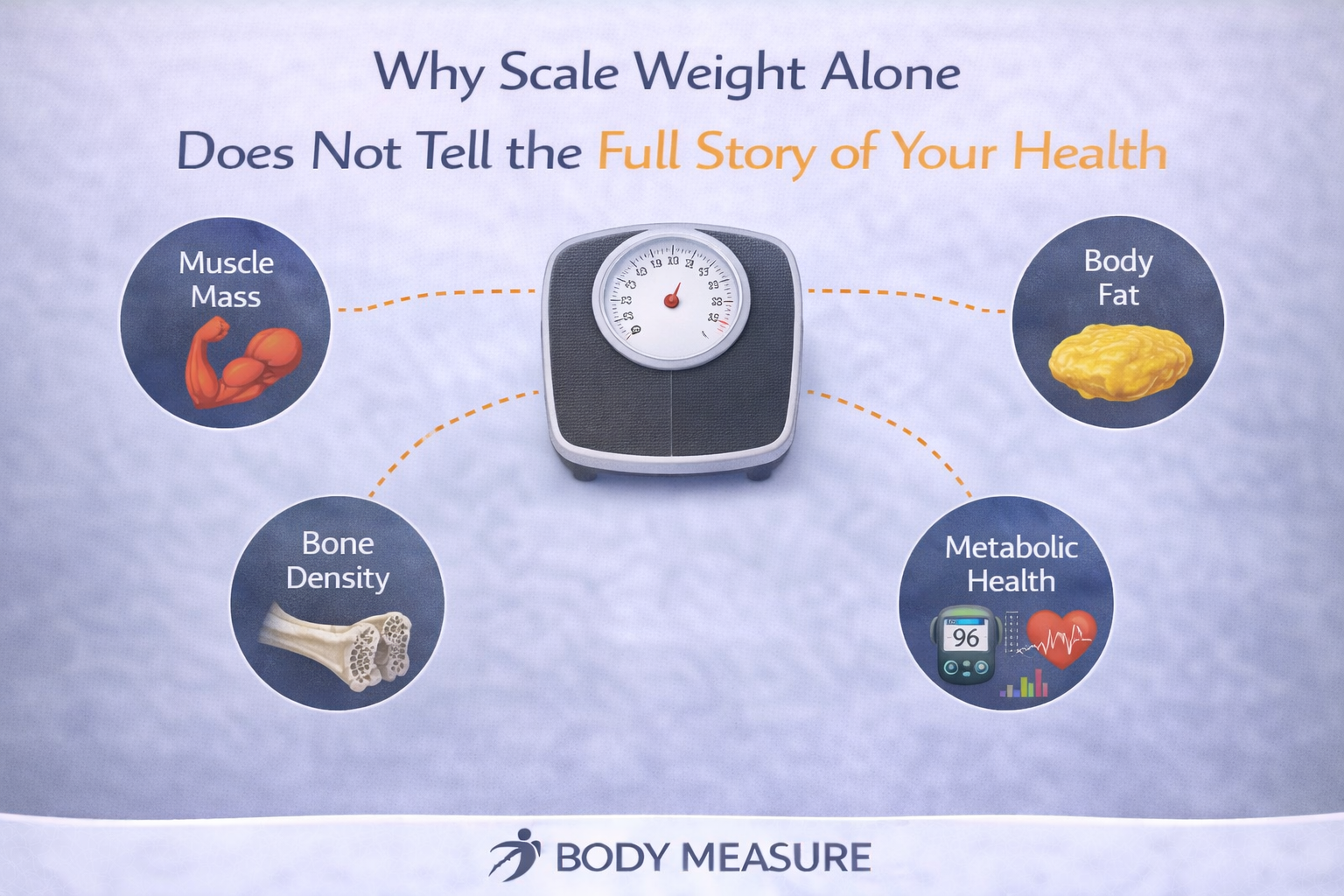
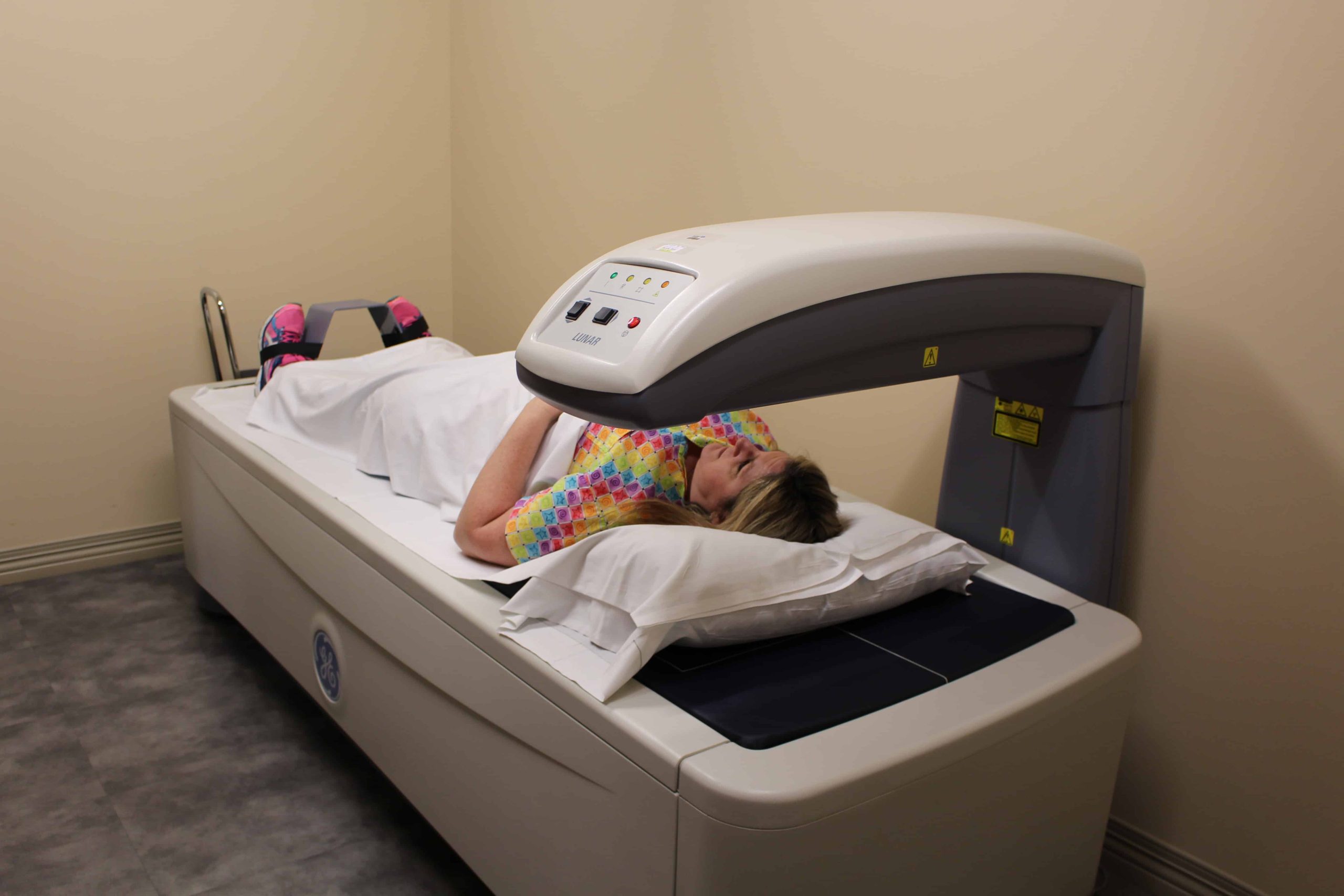
Understanding your body goes far beyond the number on the scale. Two people can weigh the same, yet have completely different levels of muscle, fat, bone strength and metabolic health. This is why DEXA scanning has become the gold standard for anyone wanting a clear, accurate picture of their body composition.
A DEXA scan provides a detailed breakdown of fat mass, lean muscle, bone mass and visceral fat, helping you understand not just your weight, but what your weight is made of. Whether you are improving your fitness, managing your health, monitoring bone mass or simply seeking clarity, a DEXA scan offers the most precise and clinically validated insights available.
In this guide, we’ll walk you through exactly what a DEXA scan is, how it works, what it measures, and why it is considered the most accurate method for assessing body composition. You’ll also learn who can benefit from a DEXA scan, how it compares to other assessment tools and what your results can reveal about your long-term health.
By the end, you’ll know exactly why so many people choose DEXA as their foundation for meaningful, measurable progress.
KEY TAKEAWAYS
- A DEXA scan is a medical-grade assessment that measures fat mass, lean muscle and bone mass with exceptional accuracy.
- It is considered the gold standard for body composition analysis due to its precision, repeatability and clinical reliability.
- DEXA also measures visceral fat, a key indicator of metabolic and long-term health risk.
- Results provide regional insights, helping identify muscle imbalances, fat distribution patterns
- Compared to BMI, BIA and skinfold testing, DEXA delivers far more detailed and reliable data.
- Ideal for athletes, weight-loss clients, older adults, and anyone wanting a clear picture of their body.
- DEXA insights support better training programs, improved fat-loss accuracy and more effective health strategies.
SUMMARY TABLE
| Metric | What It Measures | Why It Matters | What Your Result Indicates |
| Body Fat Percentage | Total fat mass in the body | Helps assess health risks, fat distribution and weight-loss progress | Low, moderate or high fat levels relative to age and health standards |
| Lean Muscle Mass | Muscle, organs and other fat-free tissues | Essential for strength, performance, metabolic rate and healthy ageing | Areas of high or low muscle development across the body |
| Visceral Fat | Fat stored around internal organs | Strong predictor of metabolic health issues including diabetes & cardiovascular disease | Whether your visceral fat level is low, moderate or high risk |
| Regional Analysis | Fat and muscle distribution in specific body zones | Identifies imbalances, symmetry issues and targeted improvement areas | Differences between limbs, upper vs lower body and left vs right |
| Android:Gynoid Ratio | Comparison of abdominal fat to hip/thigh fat | Helps assess hormonal patterns and metabolic risk | High ratios may signal increased cardiometabolic risk |
| ALMI – MUSCLE SCORE | Total lean muscle mass of arms + leg divided by height2 | Shows how much functional muscle you have for your height | Identifies sarcopenia risk and tracks muscle gain/loss over time |
What Is a DEXA Scan?
A DEXA scan, which stands for Dual-Energy X-Ray Absorptiometry, is a highly precise imaging test that measures body composition by separating the body into three key components: fat mass, lean mass and bone mass.. Originally developed for medical bone density assessments, DEXA has become the most trusted tool for accurate body composition analysis in both clinical and fitness environments.
Unlike traditional methods such as BMI or skinfold testing, which rely on assumptions or manual measurements, a DEXA scan uses two low-dose X-ray beams that pass through the body at different energy levels. Because bone, muscle and fat absorb these beams differently, the scanner can calculate exactly how much of each tissue type is present. This allows DEXA to produce a highly detailed, region-by-region breakdown of your physique.
Today, DEXA is used by athletes, everyday gym-goers, individuals on weight-loss programs and those monitoring bone health. Its ability to provide accurate, repeatable and medically validated insights makes it the benchmark for understanding the true makeup of your body.
What DEXA Measures

A DEXA scan provides one of the most comprehensive body composition assessments available. Rather than estimating or generalising, it delivers precise measurements across several key health and performance markers. Each component offers unique insights into your physical condition, metabolic health and long-term wellbeing.
Fat Mass
DEXA identifies total body fat with a high degree of accuracy, as well as how that fat is distributed. This includes subcutaneous fat stored under the skin and deeper fat layers. Understanding fat mass is vital for setting realistic health goals, monitoring fat-loss progress and assessing risks associated with excess body fat.
Lean Muscle Mass
Lean mass includes muscle, organs and other non-fat tissues. DEXA not only calculates your total lean mass, but also shows how muscle is distributed across different regions of the body. These insights help identify strengths, weaknesses and imbalances that may affect training outcomes, performance and injury risk.
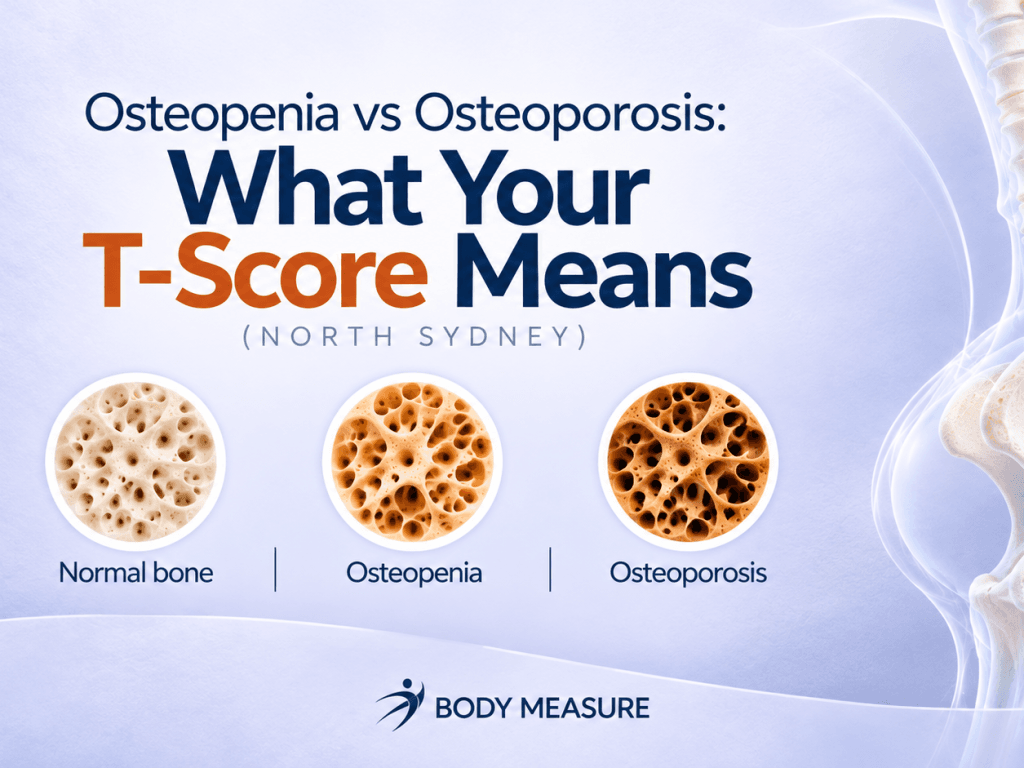
One of the original clinical uses of DEXA is measuring bone density. This metric is crucial for evaluating osteoporosis risk and monitoring bone health over time. Your scan will categorise your bone density into standard ranges such as normal, osteopenic or osteoporotic, providing clarity about your skeletal strength.7
Visceral Fat
Visceral fat is stored around internal organs such as the liver, pancreas and intestines. Unlike subcutaneous fat, visceral fat is metabolically active and strongly linked to conditions including type 2 diabetes, cardiovascular disease and inflammation. DEXA is one of the few non-invasive tools that can accurately quantify visceral fat levels.
Regional Body Composition
DEXA provides a segmented breakdown of your body, analysing areas such as arms, legs, trunk and hips. This regional analysis can highlight asymmetries, shifts in fat storage or uneven muscle development. These insights are useful for targeted training, rehabilitation or tracking progress in specific body zones.
Android:Gynoid Ratio
This ratio compares abdominal fat (android region) with fat around the hips and thighs (gynoid region). It is a meaningful indicator of hormonal patterns and metabolic health risk. Higher android fat levels are often associated with increased health risks, while lower ratios tend to reflect more favourable fat distribution patterns
Bone Mass vs Bone Mineral Density (BMD)
A DEXA body composition scan measures bone mass, which reflects the total amount of bone tissue in the body and contributes to understanding overall body composition. However, bone mass alone does not assess bone strength or diagnose conditions such as osteopenia or osteoporosis. To evaluate bone health clinically, a Bone Mineral Density (BMD) exam is required. This uses the same DEXA machine but involves different medical software and a separate examination protocol. A BMD scan measures the mineral concentration within bone, is reported on by a Radiologist, and is the medical standard for assessing fracture risk and osteoporosis. For the most complete insight, individuals may choose to have both a DEXA body composition scan and a BMD exam, providing a combined view of total body composition and clinically validated bone density.
How DEXA Works (The Technology Explained Simply)
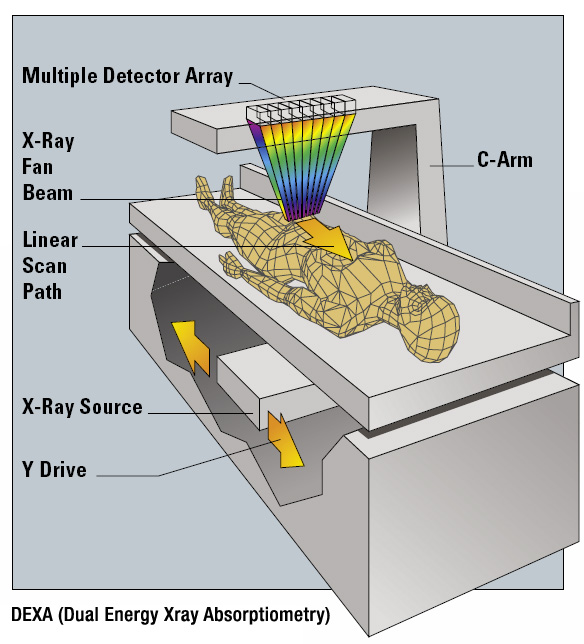
A DEXA scan may appear straightforward from the outside, but the technology behind it is highly sophisticated. Its accuracy comes from the way it uses low-dose X-ray beams to differentiate between various types of tissue in the body.
Dual-Energy X-Ray Technology
DEXA uses two X-ray beams at different energy levels. As these beams pass through the body, they are absorbed differently by bone, lean tissue and fat. Because each tissue type has its own unique absorption pattern, the scanner can precisely determine how much of each is present in every region of the body.
This is what allows DEXA to provide a far more detailed and reliable breakdown than methods that rely on estimation, prediction or manual measurement.
Safe, Low-Dose Radiation
Although DEXA uses X-ray technology, the radiation dose is extremely low. A typical full-body scan exposes you to less radiation than a short flight or a day outdoors. The test is considered safe for repeated use, which is why it is commonly used in both medical settings and ongoing fitness monitoring programs.
Measurement of Tissue Density
Bone is the densest tissue in the body, followed by muscle and then fat. Because of these natural differences, the scanner can easily separate and quantify these tissues with a high degree of precision. This density-based method is what makes DEXA so consistent and clinically accurate.
High-Resolution Imaging
As the scanning arm moves slowly over the body, it captures thousands of data points. These measurements form a detailed image that shows exactly how fat, muscle and bone are distributed throughout the body. This includes regional segmentation, symmetry analysis and visceral fat estimation.
Why Results Are So Reliable
DEXA’s high reliability comes from two core strengths: precision and repeatability. Unlike methods affected by hydration, temperature or technician skill, DEXA consistently produces accurate data regardless of external variables. This makes it ideal for tracking long-term changes, comparing scans over time and making informed decisions about training or health interventions.
Why DEXA Is Considered the Gold Standard
DEXA scanning is widely recognised as the most accurate and comprehensive method for assessing body composition. Its reputation as the gold standard is based on several key strengths that clearly differentiate it from other commonly used tools.
Unmatched Accuracy
DEXA does not estimate or predict body composition. It measures tissue directly using dual-energy X-rays, which allows for highly precise calculations of fat mass, muscle mass and bone mass This level of accuracy is consistently validated in medical research and is superior to methods that rely on formulas or surface measurements.
Exceptional Consistency and Repeatability
One of the most valuable aspects of DEXA is its ability to produce repeatable results. Factors that often affect other methods, such as hydration levels, time of day or recent exercise, have minimal impact on a DEXA scan. This makes it an ideal tool for monitoring changes over time, especially in structured fat-loss, muscle-gain or health-improvement programs.
Comprehensive Detail
A DEXA scan offers far more than a single body fat percentage. It provides a complete distribution map of fat, muscle and bone across different regions of the body. This granular detail helps uncover asymmetries, highlight progress that might not be visible on the scale and identify health risks that could otherwise be overlooked.
Clinical Validation
DEXA is used in hospitals, medical facilities and research institutions around the world. Its origins lie in bone density testing, a critical diagnostic tool for conditions such as osteoporosis. This strong clinical foundation gives DEXA a level of medical credibility that consumer-grade tools simply cannot match.
Superior to Other Body Composition Methods
Several popular methods are often compared with DEXA, but they each have clear limitations:
BMI
BMI compares height and weight without accounting for muscle, fat or bone. Two people with the same BMI can have completely different bodies. It is a population tool, not a body composition tool.
Bioelectrical Impedance Analysis (BIA)
BIA scales and handheld devices send a small electrical current through the body to estimate body composition. Results vary widely based on hydration, food intake, skin temperature, menstrual cycle and more. While convenient, BIA is not designed for precision.
Skinfold Measurements
Skinfold testing relies on manual measurements taken with callipers. Accuracy depends heavily on technician skill, consistency and the individual’s body type. It cannot assess visceral fat, muscle distribution or bone density.
Compared to these methods, DEXA is significantly more accurate, more detailed and more useful for tracking meaningful changes.
Benefits of Getting a DEXA Scan
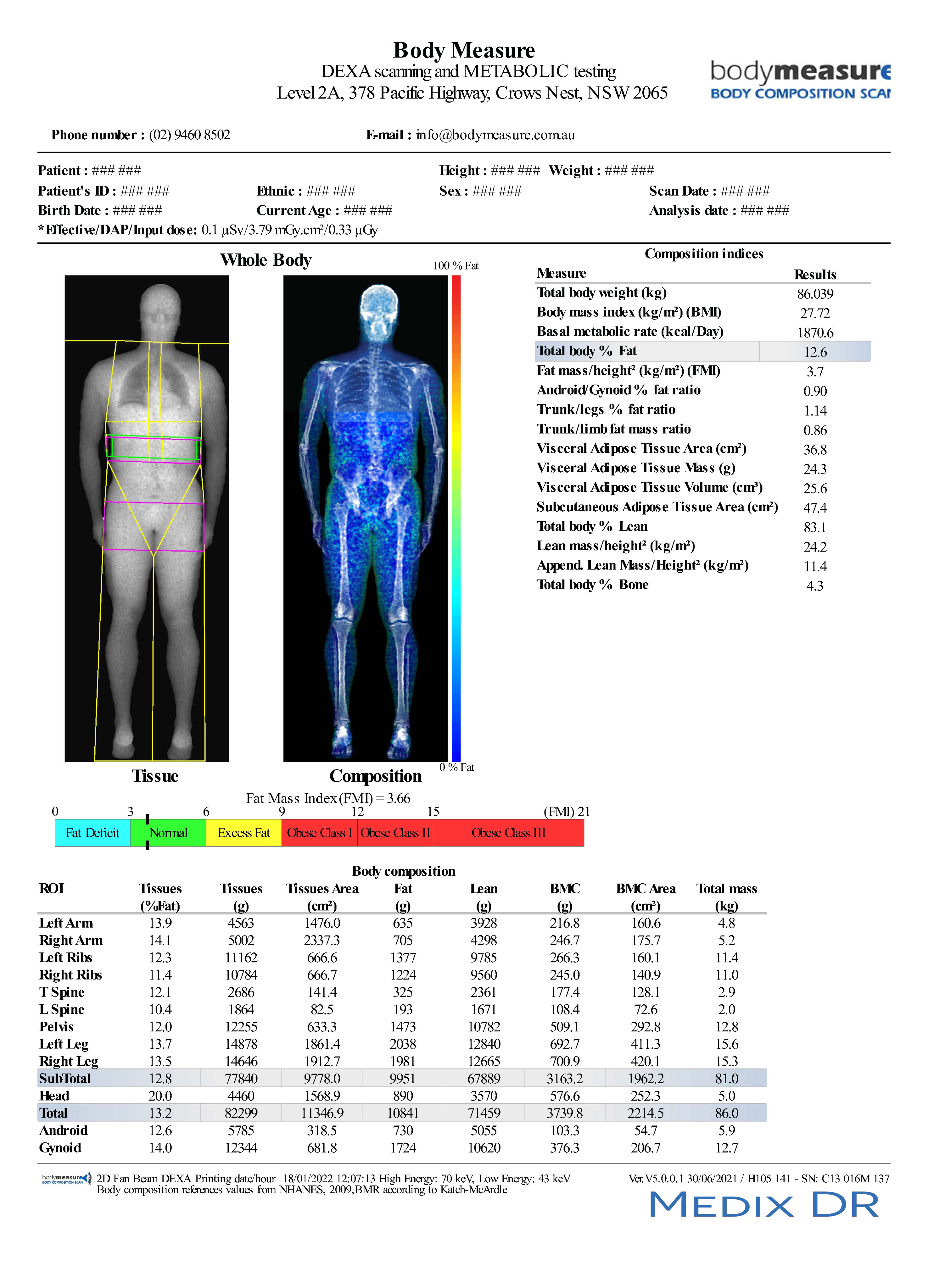
A DEXA scan provides far more than a simple body fat percentage. It delivers a detailed picture of your health, performance and long-term risk factors, allowing you to make informed decisions about your training, nutrition and wellbeing. Whether your goal is fat loss, muscle gain or overall health improvement, the insights from a DEXA scan can be transformative.
Track Body Composition Changes With Precision
Scale weight can fluctuate day to day and doesn’t reveal what is actually changing. DEXA tells you whether the weight you gain or lose is coming from fat, muscle or water. This helps confirm whether your current training and nutrition approach is truly working.
Improve Fat-Loss Accuracy
Many people unintentionally lose muscle while trying to lose weight. By showing exactly how fat and muscle levels change over time, DEXA ensures your fat-loss strategies are effective and sustainable. It provides the clarity needed to adjust your program before progress stalls.
Understand Muscle Imbalances and Asymmetries
DEXA’s regional breakdown highlights differences between the left and right sides of the body, upper versus lower body. These insights are valuable for athletes, gym-goers and anyone wanting to improve performance or reduce injury risk.
Identify Visceral Fat Levels
Visceral fat is stored around internal organs and is strongly associated with chronic health conditions. Because you cannot see or feel visceral fat, measuring it accurately is essential. DEXA provides a clear assessment of your visceral fat level, helping you understand your metabolic risk and track improvements over time.
Monitor Bone Health
DEXA composition scan are great for assessing bone mass. Even if bone health isn’t your primary reason for getting a scan, the insights can be extremely helpful, particularly for older adults, and women who want to see how heavy their bones are and how they track over time.
Support Better Training and Nutrition Decisions
With detailed data on how your body responds to exercise and diet, you can fine-tune your approach for better results. Whether you are building muscle, improving endurance, training for sport or trying to lose fat, DEXA provides a measurable foundation for effective planning.
Enhance Motivation and Accountability
Precise, objective data helps remove guesswork and emotional bias. Many clients find that seeing measurable progress in fat loss, muscle gain or reduced visceral fat reinforces their commitment and keeps them on track.
Who Should Consider a DEXA Scan?
A DEXA scan is valuable for a wide range of people, from those beginning their health journey to individuals with advanced training experience or specific medical concerns. Because it provides detailed, medically validated body composition data, it supports better decision-making across many stages of life and health goals.
Athletes and Active Individuals
Athletes at all levels use DEXA to track muscle development, identify asymmetries and optimise training cycles. For strength athletes, endurance competitors and team sports players, the detailed breakdown helps fine-tune performance strategies and reduce injury risk.
Gym-Goers and Fitness Enthusiasts
Anyone following a structured training program can benefit from understanding how their body is changing below the surface. DEXA reveals whether strength training is building lean mass, whether fat-loss strategies are effective and how body composition shifts over time.
People Focused on Fat Loss
For those trying to lose weight, the scale alone can be misleading. DEXA shows whether fat is decreasing, muscle is being preserved, and overall composition is improving. This helps ensure fat loss is healthy, sustainable and aligned with long-term goals.
Individuals Managing Metabolic Health
Visceral fat is a key predictor of metabolic conditions, including insulin resistance, hypertension and cardiovascular disease. Anyone monitoring their metabolic health can use DEXA to quantify visceral fat levels and track improvements through lifestyle changes.
Adults Over 40
Bone density naturally declines with age, making it essential to monitor bone health over time. DEXA measures bone mass , helping adults potentially identify early osteopenia or osteoporosis and take proactive steps to maintain bone strength.
Women in Midlife
Hormonal changes, particularly during perimenopause and menopause, can influence body composition, fat distribution and bone density. DEXA offers a reliable way to understand these changes and guide personalised lifestyle strategies.
People Beginning a Health or Fitness Program
Starting a new program with a clear baseline helps set realistic expectations and allows for accurate progress tracking. A DEXA scan provides that baseline, ensuring any changes over time are meaningful and measurable.
Anyone Seeking a Clear Picture of Their Overall Health
Whether your goal is longevity, performance, weight management or simply gaining clarity, a DEXA scan offers insights that go far beyond traditional assessments. It is one of the most effective tools for understanding your current health status and planning for long-term wellbeing.
What a DEXA Scan Can Reveal About Your Long-Term Health
A DEXA scan offers insights that go beyond immediate fitness or body composition goals. It provides valuable indicators of long-term health, helping you understand your risk factors, track changes over time and make informed decisions that support ageing well. Because DEXA measures fat, muscle and bone with exceptional accuracy, it gives a comprehensive picture of how your body is functioning today and what that may mean for your future.
Understanding Visceral Fat and Metabolic Risk
Visceral fat sits deep in the abdominal cavity around the internal organs. Elevated levels are strongly associated with conditions such as type 2 diabetes, fatty liver disease and cardiovascular issues. A DEXA scan quantifies visceral fat precisely, helping you identify early warning signs long before symptoms appear. Tracking this over time allows you to see how lifestyle changes, training or nutrition interventions affect your metabolic health.
Monitoring Muscle Mass for Healthy Ageing
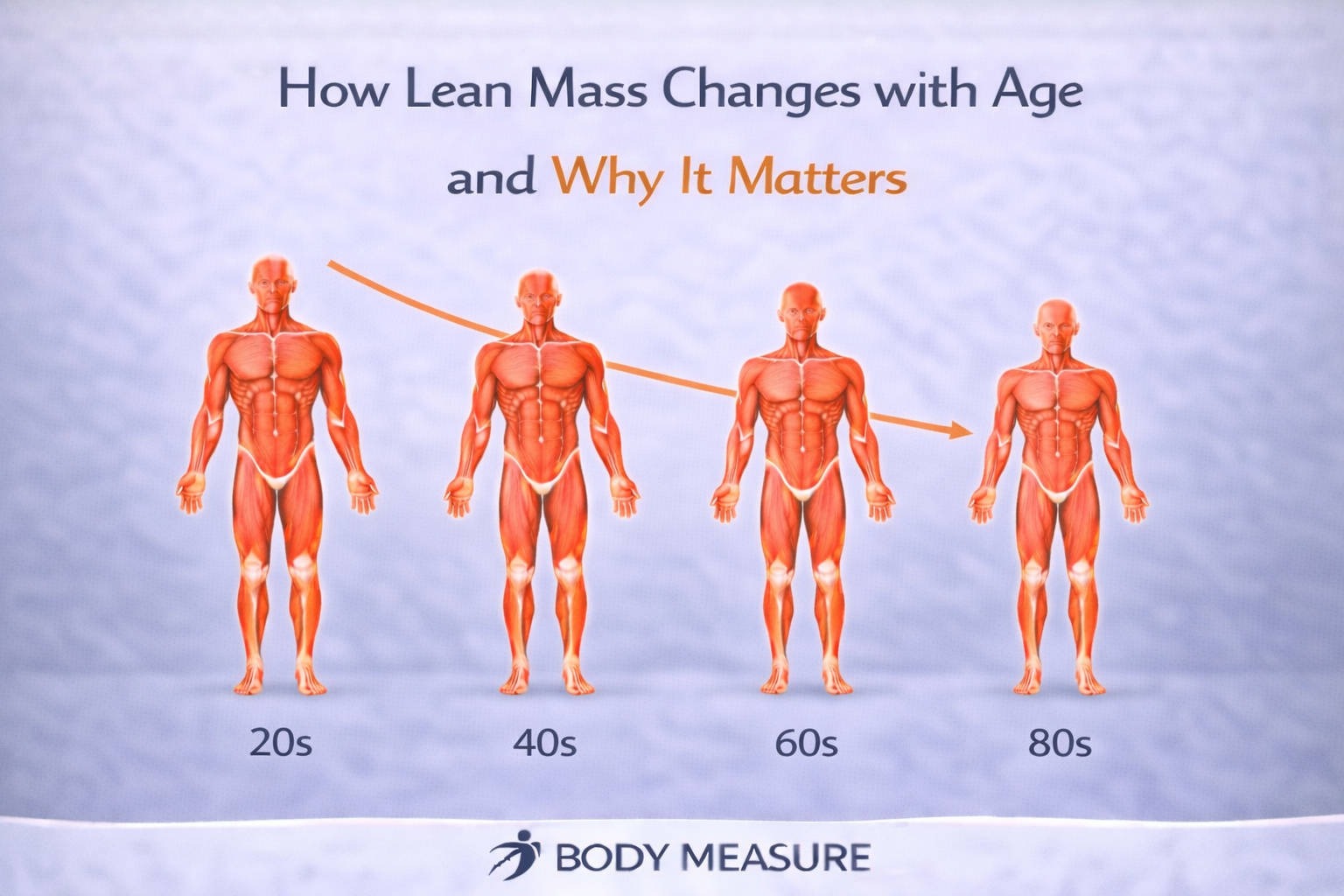
Maintaining muscle mass is essential for mobility, balance, strength and metabolic function. As people age, muscle loss can occur gradually, increasing the risk of frailty, falls and reduced quality of life. DEXA provides detailed insights into lean mass distribution, helping you identify areas where muscle may be decreasing and where targeted training could make a measurable difference.
Bone Density and Osteoporosis Prevention
Bone mineral density naturally declines with age, particularly in women during and after menopause. Low bone density increases the risk of fractures, which can significantly impact independence and longevity. DEXA is the clinical standard for assessing bone density, making it one of the most valuable tools for detecting early signs of osteopenia or osteoporosis. With this information, individuals can take proactive steps to support bone health through nutrition, strength training or medical guidance.
Fat Distribution Patterns and Hormonal Health
DEXA reveals how fat is stored across different regions of the body. Certain patterns, such as increased abdominal (android) fat, are linked to higher metabolic risk, while lower-body (gynoid) fat storage tends to be less harmful. These distribution patterns can also provide insight into hormonal influences and changes that may be affecting body composition.
Tracking Long-Term Progress with Confidence
Because DEXA is consistent and highly repeatable, it is ideal for long-term monitoring. Whether your goal is to maintain bone density, reduce visceral fat or preserve muscle mass, scanning at regular intervals provides clear evidence of how your body is responding over time. This data-driven approach helps guide lifestyle, training and nutrition decisions with confidence.
A Comprehensive Picture of Health
Taken together, the insights from a DEXA scan create a holistic view of your current and future health. Understanding the interplay between fat, muscle and bone provides clarity on where you are today and what steps may support better health, performance and longevity in the years ahead.
FINAL THOUGHTS
A DEXA scan offers far more than a snapshot of your current body composition. It provides clarity, direction and confidence by revealing what traditional assessments cannot. Whether your focus is improving fitness, supporting healthy ageing, monitoring bone density or managing metabolic health, the insights from a DEXA scan allow you to make decisions based on objective data rather than guesswork.
Understanding the balance between fat, muscle and bone gives you a clearer view of your overall health and a stronger foundation for long-term progress. With precise, clinically recognised measurements, you can track meaningful changes, adjust strategies effectively and stay aligned with your goals.
For many people, a DEXA scan becomes the moment when everything begins to make sense. It transforms your understanding of your body and offers a path forward grounded in accuracy and insight. If you’re seeking a reliable way to measure what truly matters, a DEXA scan is one of the most valuable tools available.
FAQs Answered
Where can I get a DEXA scan in Sydney?
Body Measure offers professional DEXA scanning in Sydney using medical-grade equipment and experienced technicians. The Sydney clinic provides full body composition assessments, including fat mass, lean mass, bone mass and visceral fat analysis. Appointments are available throughout the week, and results are explained clearly so you understand exactly what your scan shows and how to use the data.
Is a DEXA scan the most accurate way to measure body composition?
Yes. DEXA scanning is widely recognised as the most accurate and clinically validated method for measuring body composition. It directly measures fat mass, lean mass and bone mass using dual-energy X-ray technology. This makes it significantly more precise and reliable than BMI, BIA scales, skinfold testing and consumer body scanners, which rely on estimates or indirect calculations.
What makes DEXA more reliable than other body scans or body fat tests?
DEXA provides a level of precision and repeatability that other methods cannot match. It distinguishes different tissue types based on how they absorb X-ray energy, allowing for accurate separation of fat, lean tissue and bone. In contrast, BIA results can fluctuate based on hydration and recent intake, while skinfold measurements depend heavily on technician technique. DEXA avoids these variables, which is why it is used in medical, research and high-performance sport settings.
How do I know if a DEXA scan is right for me?
A DEXA scan is suitable for anyone who wants a clear and accurate understanding of their body composition. It is particularly useful if you are tracking fat loss or muscle gain, starting or reviewing a fitness program, monitoring metabolic health or wanting objective data over time. It can also provide valuable insights into bone mass as part of a broader health picture. For clinical assessment of bone strength, a separate Bone Mineral Density (BMD) exam is required.
How should I prepare for a DEXA scan to get the most accurate results?
Preparation for a DEXA body composition scan is straightforward. You do not need to fast, adjust your hydration, or avoid exercise beforehand. These factors do not significantly alter DEXA results, which is one of the key advantages of this technology. For consistency when tracking changes over time, it is recommended to scan under similar conditions for each visit and wear comfortable clothing without metal.