
Nutrition plays an important role in supporting bone health, yet it is often oversimplified or misunderstood. Many people associate strong bones with calcium alone, without recognising that bone density is influenced by a combination of nutrients working together over time. This can lead to confusion, unrealistic expectations or a belief that dietary changes produce rapid results.
Bone is a living tissue that is constantly being broken down and rebuilt. While genetics, age and hormonal changes all influence bone density, nutrition provides the raw materials that support this ongoing process. What is eaten consistently over months and years matters far more than short-term dietary changes.
For individuals monitoring bone health, particularly post-menopausal women, understanding how nutrition supports bone density helps place food choices in the right context. Diet does not replace assessment or monitoring, but it plays a valuable supporting role. This article explains how nutrition influences bone density, which nutrients matter most, and how to approach bone-supportive eating in a practical and sustainable way.
Key Takeaways
- Bone health depends on multiple nutrients, not calcium alone
- Nutrition supports bone density gradually over time
- Consistent dietary patterns matter more than short-term changes
- Protein, vitamins and minerals all contribute to bone structure
- Food choices work best alongside bone density monitoring
- Nutrition supports bone health but does not replace assessment
Summary Table: Key Nutrients That Support Bone Health
| Nutrient | Role in Bone Health | Common Food Sources |
| Calcium | Forms the structural framework of bone | Dairy, leafy greens, fortified foods |
| Vitamin D | Supports calcium absorption | Sun exposure, oily fish, eggs |
| Protein | Contributes to bone matrix and structure | Meat, fish, legumes, dairy |
| Magnesium | Supports bone mineralisation | Nuts, seeds, whole grains |
| Vitamin K | Involved in bone protein function | Leafy green vegetables |
How Nutrition Influences Bone Density
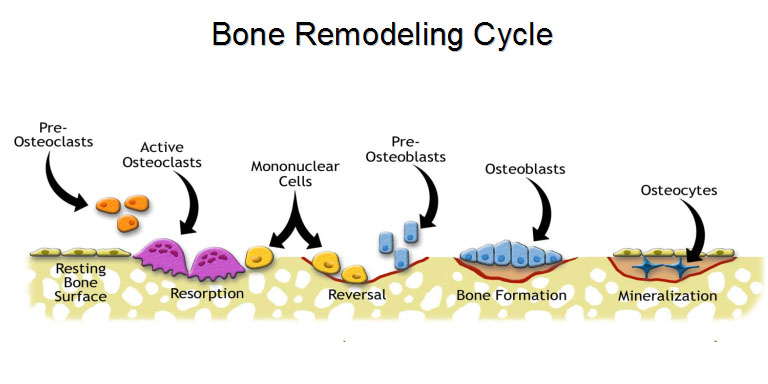
Bone is a dynamic tissue that is constantly being remodelled. Old bone is broken down and replaced with new bone through an ongoing process that continues throughout life. Nutrition plays a key role in supporting this process by providing the building blocks required for bone formation and maintenance.
Adequate intake of essential nutrients helps ensure that the body has what it needs to support bone structure and mineralisation. When nutrients are consistently lacking, bone density may be affected over time. This does not happen quickly, which is why short-term dietary changes rarely produce noticeable effects on bone density.
Nutrition supports bone health gradually and works alongside other factors such as physical activity, hormonal changes and overall health status. Rather than acting as a single solution, diet contributes to a broader framework that influences how bone adapts over months and years.
Understanding the long-term nature of bone remodelling helps set realistic expectations. Consistent, balanced nutrition supports bone density over time and complements monitoring tools such as Bone Mineral Density DEXA scans, which track how bone density changes across longer intervals.
Calcium: What It Does and Where to Get It
Calcium is one of the most well-known nutrients associated with bone health, and for good reason. It is a key structural component of bone, contributing to its hardness and strength. Adequate calcium intake supports the body’s ability to maintain bone mineral density over time.
While calcium is essential, it is often misunderstood as the only nutrient required for strong bones. In reality, calcium works alongside other vitamins and minerals, and its effectiveness depends on overall dietary balance and absorption. Simply increasing calcium intake without considering other factors may not provide the expected benefit.
Dietary sources of calcium include dairy products such as milk, yoghurt and cheese, as well as non-dairy options like leafy green vegetables, almonds, tofu and fortified foods. Incorporating a variety of calcium-rich foods helps support consistent intake without relying on a single source.
Focusing on regular, balanced consumption rather than short-term increases aligns better with how bone density changes over time. Calcium plays an important role, but it is most effective as part of a broader, nutrient-rich diet.
Vitamin D and Bone Health
Vitamin D plays a crucial role in bone health because it supports the body’s ability to absorb calcium effectively. Without sufficient vitamin D, calcium from the diet cannot be used efficiently, which may affect bone mineral density over time.
The body produces vitamin D when skin is exposed to sunlight, but levels can vary depending on factors such as geographic location, season, time spent outdoors and sunscreen use. Dietary sources of vitamin D include oily fish, eggs and fortified foods, though it can be challenging to obtain adequate amounts from food alone.
Vitamin D status is particularly important for bone health as people age, as the body’s ability to produce and utilise vitamin D may change. Rather than focusing on short-term intake, maintaining consistent vitamin D levels over time supports calcium absorption and overall bone metabolism.
Understanding the role of vitamin D helps clarify why calcium intake alone is not enough. Both nutrients work together to support bone density, highlighting the importance of a balanced and informed approach to nutrition for long-term bone health.
Protein, Magnesium and Other Key Nutrients
While calcium and vitamin D receive the most attention, bone health relies on a broader range of nutrients that support bone structure and metabolism. Protein, in particular, plays an important role in forming the bone matrix, which provides the framework onto which minerals are deposited.
Adequate protein intake supports both muscle and bone health. Muscle strength contributes to balance and stability, which is relevant for reducing fracture risk, while protein itself is a structural component of bone tissue. Consistently including quality protein sources such as lean meats, fish, dairy, legumes and nuts helps support this process.
Magnesium is another key nutrient involved in bone mineralisation. It helps regulate calcium balance and contributes to bone structure. Whole grains, seeds, nuts and green vegetables are common dietary sources. Other nutrients, including phosphorus and vitamin K, also play supporting roles in bone metabolism and function.
Rather than focusing on single nutrients in isolation, a varied and balanced diet helps ensure that the body receives the combination of nutrients required to support bone density over time. This integrated approach aligns more closely with how bone health is maintained in the long term.
Foods That Support Bone Health

A bone-supportive diet is built around whole, nutrient-dense foods rather than individual nutrients in isolation. Including a variety of foods helps provide the combination of vitamins and minerals that support bone density over time.
Dairy foods such as milk, yoghurt and cheese are commonly included because they naturally contain calcium, protein and, in some cases, vitamin D. For those who do not consume dairy, alternatives such as fortified plant-based milks, tofu, almonds and leafy green vegetables can also contribute to calcium intake.
Protein-rich foods play a dual role by supporting both muscle and bone structure. Lean meats, fish, eggs, legumes and dairy products help provide the amino acids needed for bone matrix formation. Including protein consistently across meals supports overall musculoskeletal health.
Vegetables, particularly leafy greens, contribute important micronutrients such as magnesium and vitamin K. Whole grains, nuts and seeds also add valuable minerals that support bone metabolism. Rather than aiming for perfection, focusing on variety and regular inclusion of these foods helps create a sustainable approach to bone health nutrition.
Common Nutrition Myths About Bone Density
Nutrition advice around bone health is often oversimplified, which can lead to misunderstandings and unrealistic expectations. One of the most common myths is that calcium alone is enough to protect bone density. While calcium is important, bone health depends on multiple nutrients working together, and focusing on one nutrient in isolation does not reflect how bone is maintained.
Another misconception is that dietary changes can quickly reverse bone density loss. Bone adapts slowly, and meaningful changes occur over months or years rather than weeks. Nutrition supports this gradual process but does not produce immediate results. Expecting rapid improvement can lead to frustration or abandonment of healthy habits.
Some people also believe that diet no longer matters after menopause. In reality, nutrition continues to play a supportive role throughout life. While hormonal changes influence bone density, consistent dietary patterns remain relevant for maintaining overall bone health.
Clarifying these myths helps set realistic expectations and encourages a balanced, long-term approach to nutrition rather than short-term fixes.
Nutrition and Bone Density Monitoring
Nutrition supports bone health gradually, which is why changes in diet are best viewed alongside long-term monitoring rather than short-term results. Bone Mineral Density changes slowly, and improvements or stabilisation are typically assessed over extended periods rather than between closely spaced measurements.
DEXA bone density scans provide an objective way to track how bone density changes over time. When used consistently, they help identify whether bone density is stable, declining or responding positively to supportive lifestyle factors, including nutrition. This makes monitoring an important complement to dietary choices rather than a replacement for them.
Because nutrition works cumulatively, pairing consistent dietary habits with appropriate monitoring helps set realistic expectations. Rather than looking for immediate changes, this approach supports informed, long-term decision-making based on measurable trends.
Practical Tips for Supporting Bone Health Through Diet
Supporting bone health through nutrition does not require perfection or rigid dietary rules. Small, consistent habits are more effective than short-term changes. Including calcium-rich foods regularly, rather than occasionally, helps support steady intake over time.
Balancing meals with adequate protein supports both muscle and bone structure. Spreading protein intake across the day rather than concentrating it in one meal can help maintain overall musculoskeletal health. Pairing meals with vegetables, whole grains, nuts and seeds contributes additional minerals that support bone metabolism.
Consistency matters more than variety at every meal. Developing a sustainable eating pattern that fits individual preferences and lifestyle increases the likelihood that supportive habits are maintained long term. Nutrition works best when it is practical, enjoyable and repeatable.
Final Thoughts
Nutrition plays an important role in supporting bone density, but it works gradually and alongside other factors such as activity levels, hormonal changes and overall health. A balanced diet that provides a range of key nutrients helps support bone structure over time rather than producing rapid changes.
Understanding how nutrition contributes to bone health helps set realistic expectations and reduces confusion around dietary advice. When combined with appropriate bone density monitoring, nutrition becomes part of a long-term strategy rather than a short-term solution.
Focusing on consistency, balance and informed choices supports stronger bones and long-term skeletal health in a sustainable and achievable way.
FAQs Answered
Can nutrition slow bone density loss as you age?
Nutrition can play a supportive role in slowing bone density loss over time by providing the nutrients required for bone maintenance. While diet alone cannot prevent all bone loss associated with ageing or hormonal changes, consistent, balanced nutrition helps support the body’s natural bone remodelling processes across the lifespan.
Are there foods that may negatively affect bone density?
Diets consistently low in essential nutrients may contribute to poorer bone health over time. Excessive reliance on highly processed foods with low nutritional value may displace foods that provide key bone-supportive nutrients. Bone health is best supported by overall dietary patterns rather than focusing on individual foods.
Does the timing of meals or nutrients matter for bone health?
For most people, overall dietary consistency is more important than precise timing. Regular intake of key nutrients across the day supports steady availability for bone metabolism. Long-term eating patterns have a greater impact on bone health than short-term timing strategies.
Can long-term poor nutrition affect bone density later in life?
Yes. Bone density reflects cumulative influences across many years. Prolonged periods of inadequate nutrition can affect bone health over time, which is why consistent dietary habits across adulthood are important for supporting long-term skeletal health.
How can diet support bone health alongside DEXA monitoring?
Diet provides the nutritional foundation that supports bone maintenance, while DEXA scans offer objective insight into how bone density changes over time. At Body Measure, DEXA bone density scans help establish a clear baseline and track long-term trends, allowing nutrition and lifestyle choices to be viewed in the context of measurable bone health data. Together, consistent dietary habits and accurate monitoring support a more informed, long-term approach to bone health.