
Achieving a significant transformation in body composition is a process of fine-tuning biological variables. While the desire for immediate feedback is natural, tracking progress too frequently can lead to “noise” in the data, while waiting too long can result in months of wasted effort on an ineffective program.
A DEXA body composition scan provides the clinical-grade data necessary to audit your progress. However, the optimal frequency for these scans depends entirely on your specific objectives, the intensity of your interventions, and your current metabolic starting point. At Body Measure in Sydney, we help clients move beyond the guesswork of the bathroom scale by establishing a strategic scanning schedule tailored to their health and performance goals.
Key Takeaways
- Goal-Dependent Frequency: Most individuals benefit from a scan every 8 to 12 weeks during active transformation phases.
- Avoid “Data Noise”: Scanning more frequently than every 4 weeks is generally discouraged as physiological changes in lean mass require time to become statistically significant.
- The Baseline is Critical: Every fitness journey should begin with an initial scan to establish your unique starting point for fat mass, lean mass, and bone mass.
- Medical vs. Fitness Tracking: Medical Bone Mineral Density (BMD) exams for osteoporosis are typically conducted every 1 to 2 years, whereas body composition tracking is more frequent.
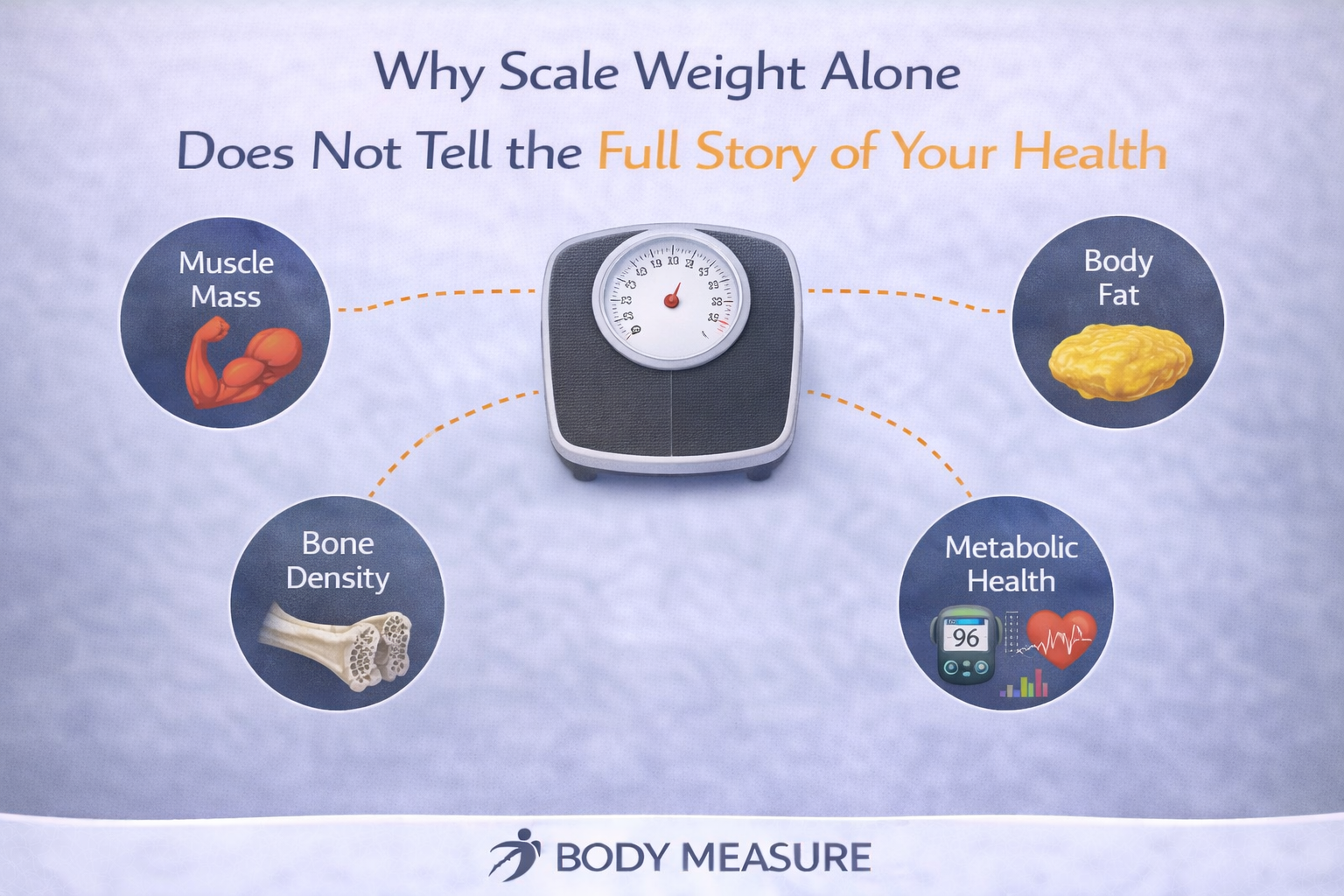
- Accountability: Regular intervals act as a “metabolic audit,” ensuring that weight loss is actually fat loss and weight gain is actually muscle gain.
Summary Table: Recommended DEXA Scan Intervals
| Goal | Recommended Frequency | Rationale |
| Rapid Fat Loss | Every 6–8 weeks | To ensure muscle mass is preserved while in a calorie deficit. |
| Muscle Hypertrophy (Bulking) | Every 8–12 weeks | Muscle tissue grows slowly; this interval captures meaningful gains. |
| Body Recomposition | Every 10–12 weeks | To monitor the subtle interplay between fat loss and muscle gain. |
| General Health & Maintenance | Every 6–12 months | To monitor visceral fat levels and long-term skeletal health. |
| Bone Health (Clinical BMD) | Every 12–24 months | Bone Mineral Density (BMD) changes occur over much longer cycles. |
The Importance of the Baseline Scan
Before embarking on a new training block or nutritional protocol, a baseline scan is essential. Without a precise measurement of your starting lean mass and fat distribution, any future results are merely speculative.
At our Sydney clinic, the baseline scan serves as your “Source of Truth.” It identifies:
- Muscle Symmetry: Detecting imbalances between left and right limbs that could lead to injury.
- Visceral Fat Levels: Measuring the dangerous internal fat surrounding your organs.
- Basal Metabolic Rate (BMR): Providing a data-backed estimate of your daily caloric needs.
Tracking During Active Fat Loss (6–8 Weeks)
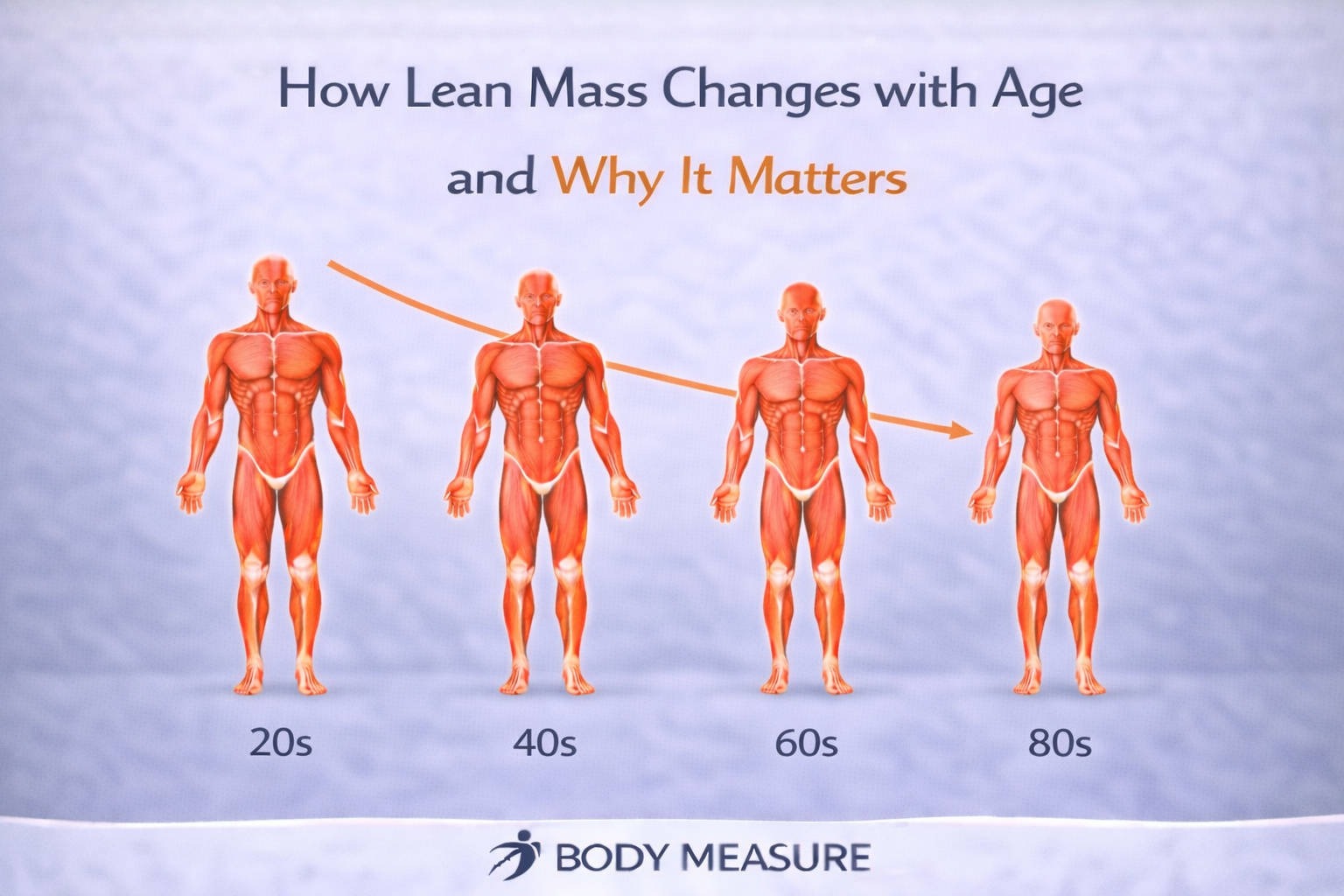
When the primary goal is fat loss, the risk is often a concurrent loss of lean muscle tissue. If your calorie deficit is too aggressive or your protein intake is insufficient, your body may catabolise muscle for energy.
By scanning every 6 to 8 weeks, we can catch these trends early. If a client at Body Measure shows a reduction in total weight but a significant drop in lean mass, we can immediately adjust their macros or training volume. This ensures that the weight coming off is the “right” weight, protecting your metabolic rate and long-term health.
Monitoring Muscle Gain and Hypertrophy (8–12 Weeks)
Building skeletal muscle is a metabolically expensive and slow process. Unlike fat loss, which can occur relatively quickly, significant muscle hypertrophy often takes months of consistent progressive overload.
Scanning for muscle gain too frequently (e.g., every 4 weeks) can be frustrating, as the incremental changes may be within the margin of error for hydration or glycogen fluctuations. An 8 to 12-week window allows for enough “stimulus and recovery” cycles to show clear, objective increases in lean mass across specific regions like the arms, legs, and trunk.
Body Recomposition: The 12-Week Audit
Body recomposition—losing fat and gaining muscle simultaneously—is a nuanced goal where the scale often doesn’t move at all. For these clients, a quarterly scan (every 12 weeks) is the gold standard.
The DEXA scan is the only tool that can validate the success of a recomposition phase by showing, for example, a 2kg decrease in fat mass and a 2kg increase in lean mass. Without this data, many people abandon their programs prematurely because they believe they have “plateaued” based on their weight alone.
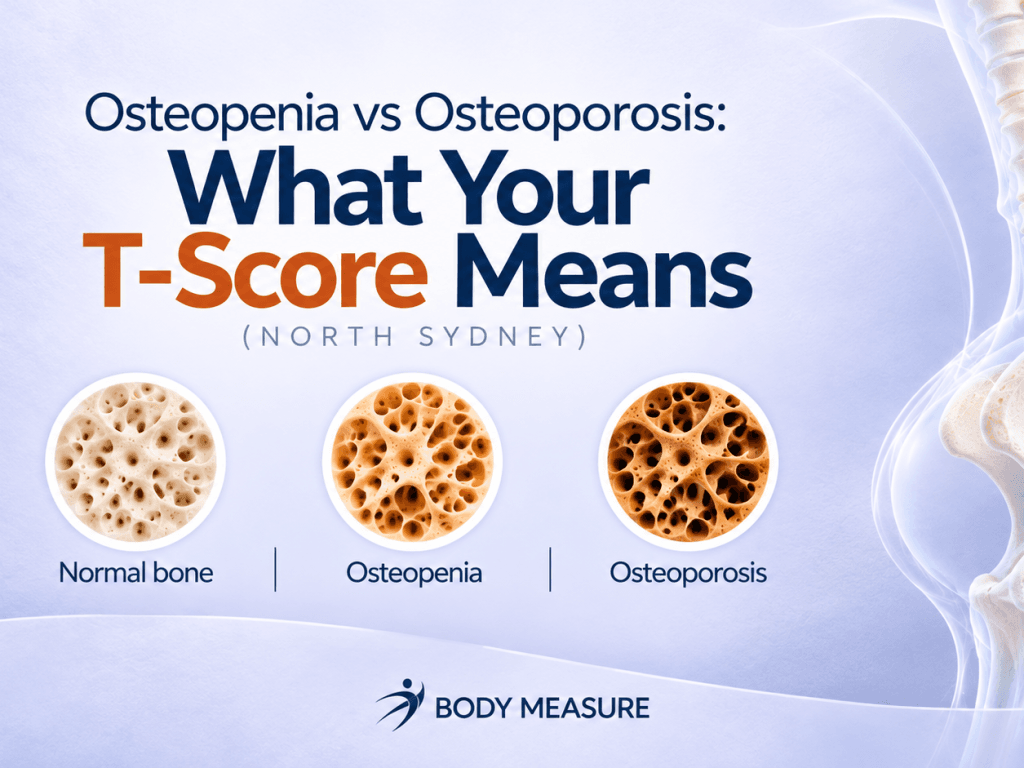
Bone Mass vs. Bone Mineral Density (BMD) Frequency
It is vital to distinguish between tracking bone mass for fitness and a medical BMD exam.
- Bone Mass: Measured during every body composition scan at Body Measure, this tells us the total weight of your skeleton. This can be monitored as frequently as your muscle and fat.
- Bone Mineral Density (BMD): This is a specific medical exam (often of the hip and spine) used to diagnose osteoporosis. Because bone tissue remodels very slowly, medical BMD exams are rarely performed more than once every 12 to 24 months unless there is a specific clinical requirement.
Body Measure operates as a private clinic in Sydney. While we provide high-level insights into your skeletal health, our body composition scans are not a substitute for a medical BMD exam, nor do we process Medicare rebates for these services.
Why Quality Over Quantity Matters
While it might be tempting to scan every month, consistency in your testing environment is more important than frequency. For the most accurate longitudinal data, we recommend:
- Scanning at the same time of day (ideally morning).
- Maintaining a similar hydration status.
- Wearing the same or similar clothing (no metal).
- Following the same pre-scan nutrition protocol.
Final Thoughts
Data is only as useful as the actions it informs. A DEXA scan should be viewed as a tool for course correction. If your current program is working, the scan provides the motivation to continue. If it isn’t, the scan provides the evidence needed to change your strategy before you lose months of potential progress.
For most people in Sydney pursuing body transformation, a triannual schedule (every 4 months) or quarterly schedule (every 3 months) provides the perfect balance of accountability and physiological relevance.
FAQs Answered:
Why shouldn’t I get a DEXA scan every 2 weeks?
Physiological changes in muscle tissue take time. Scanning every 2 weeks is likely to show fluctuations in water and glycogen rather than actual tissue growth, which can lead to unnecessary confusion or changes to a program that is actually working.
Can I use DEXA to track my visceral fat reduction?
Yes. DEXA is one of the only accessible technologies that can accurately quantify visceral adipose tissue (VAT). Monitoring this every 8 to 12 weeks is excellent for those focused on improving metabolic health and reducing the risk of chronic disease.
How does Body Measure’s DEXA compare to a smart scale at home?
Smart scales use Bioelectrical Impedance (BIA), which sends a small current through the body. This is highly sensitive to hydration, skin temperature, and food intake. Body Measure uses medical-grade Dual-Energy X-ray Absorptiometry, which directly images the tissue, making it the most reliable method for tracking real progress in Sydney.
Is it safe to have multiple DEXA scans a year?
The radiation dose from a DEXA body composition scan is extremely low—less than the background radiation you receive during a flight from Sydney to Melbourne. It is considered safe for regular monitoring several times a year.
Do I need a doctor’s referral for regular tracking?
No. At Body Measure, you can book your scans privately to track your fitness and health goals. We provide professional, authoritative reports that you can take to your coach, nutritionist, or doctor.
Will my bone density change in 8 weeks?
It is highly unlikely to see a significant change in Bone Mineral Density (BMD) in just 8 weeks. While we track your total bone mass in every scan, we look for long-term trends in bone health over 12 to 24 months.