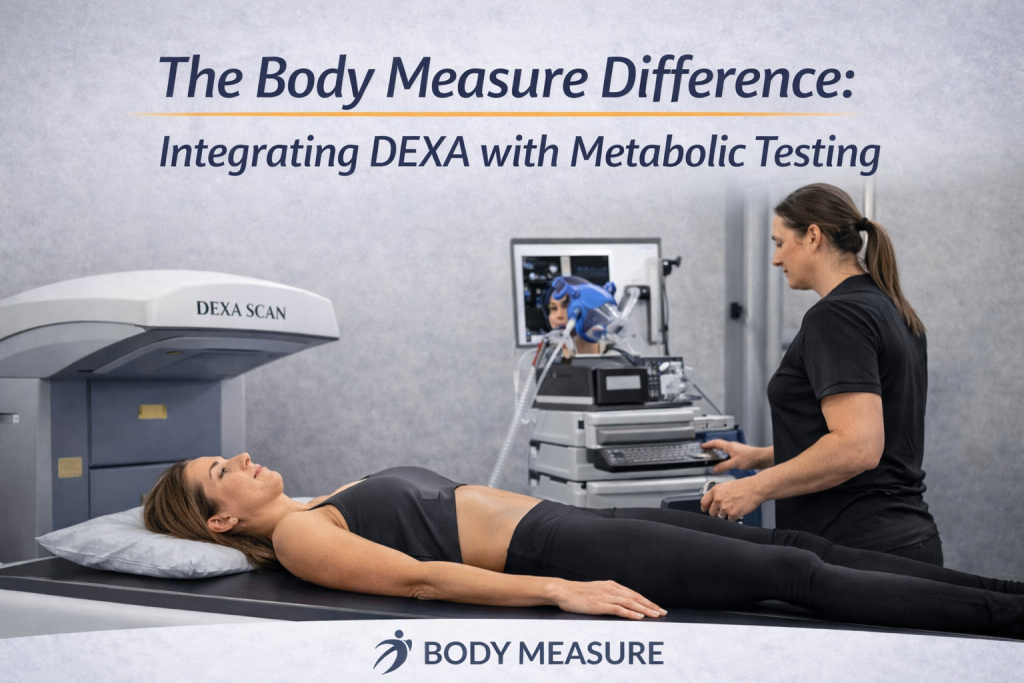
Scales, BMI and basic fitness checks show only a limited view of what is happening inside your body. Body Measure combines DEXA body composition scanning with metabolic testing, so you see what your body is made of and how efficiently it uses energy.
KEY TAKEAWAYS
Five things to know
01
DEXA scans give highly accurate measurements of body composition, including fat mass, lean mass and visceral fat.
02
Metabolic testing reveals how efficiently the body burns calories and uses energy.
03
Combining the two gives a more complete understanding of health and performance.
04
Integrated data supports personalised training and nutrition strategies.
05
Body Measure uses advanced testing to give evidence-based insights rather than guesswork.
AT A GLANCE
DEXA and Metabolic Testing at Body Measure
| Assessment | What it measures | Why it matters |
|---|---|---|
| DEXA body composition scan | Fat mass, lean mass, visceral fat and bone mass | Precise insight into body composition and health risk |
| Resting metabolic rate (RMR) testing | Calories burned at rest | Determines true daily energy needs |
| Fuel utilisation | Ratio of fat vs carbohydrate metabolism | Helps guide nutrition and training decisions |
| Integrated data analysis | Combined structural and metabolic insights | Enables personalised health strategies |
| Ongoing testing | Repeat DEXA and metabolic assessments | Accurate progress tracking over time |
THE GAP
Why body composition alone doesn't tell the full story
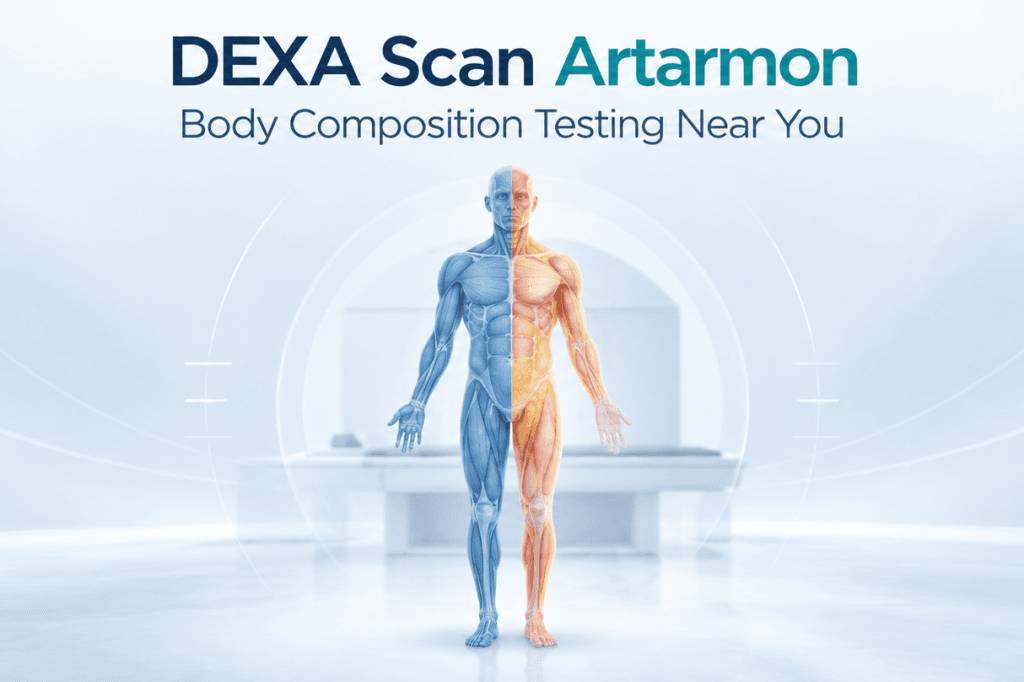
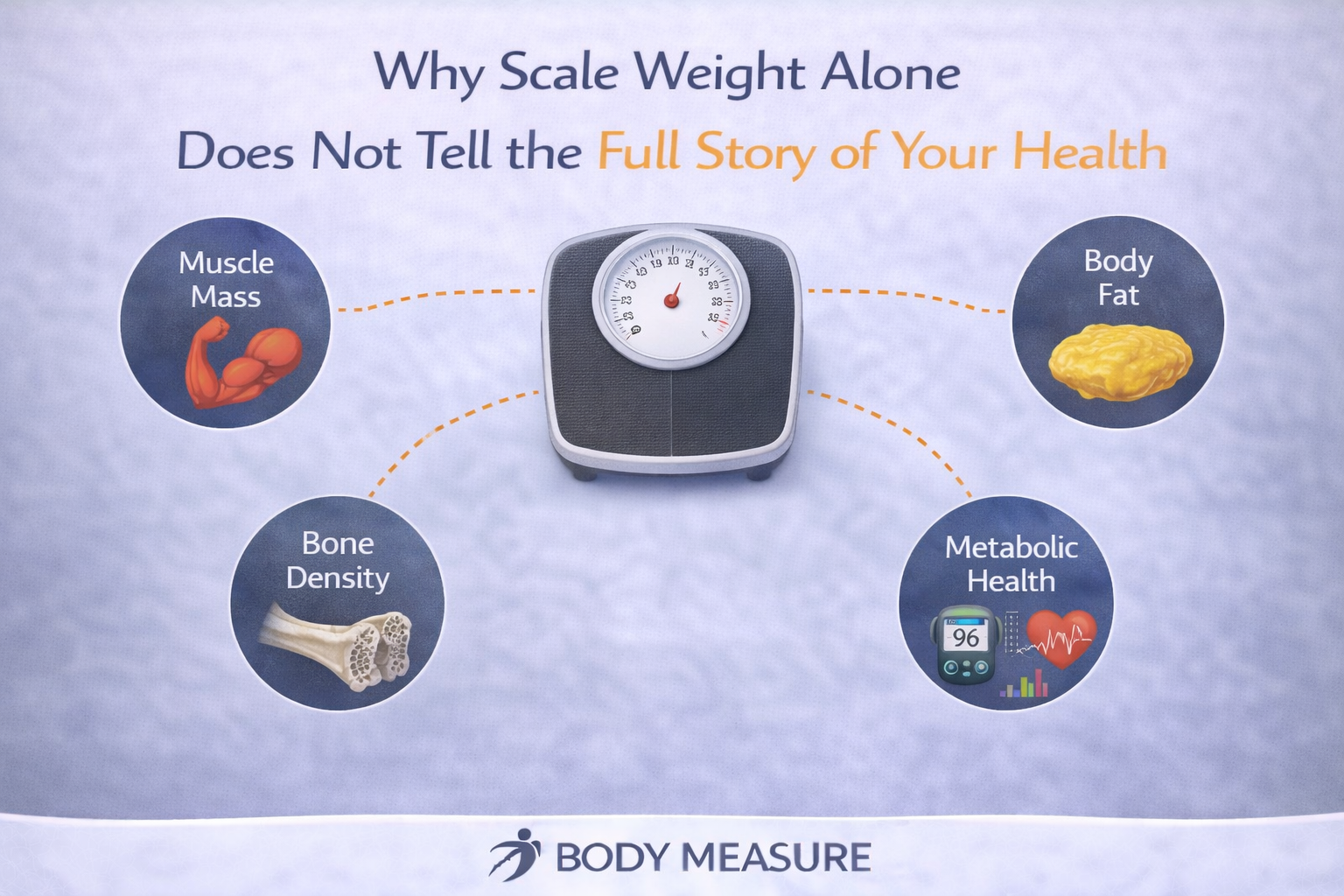
DEXA is widely regarded as the gold standard for body composition because it measures fat, lean mass and visceral fat directly, unlike scales or bioelectrical impedance devices. But it can’t show how your body actually uses energy.
Person A
Person B
Illustrative only, not real data.
METABOLIC TESTING
What is metabolic testing?
It measures how the body uses oxygen and energy to work out how efficiently it burns calories. One of the most common assessments is Resting Metabolic Rate (RMR) testing.
Calories at rest
RMR testing calculates the calories your body burns at rest to maintain breathing, circulation and cellular activity. It’s your baseline daily energy need before exercise or movement.
Measured, not estimated
Many nutrition plans rely on formulas based on age, weight and gender. These can vary significantly from your true metabolic rate. Metabolic testing measures how your body actually uses energy.
Fuel utilisation
It can also show whether your body tends to burn carbohydrates or fat more efficiently, which helps explain why some strategies work for some people and not others.
THE COMBINATION
The power of combining DEXA and metabolic testing
Each test is valuable on its own. Together they explain things neither can show alone.
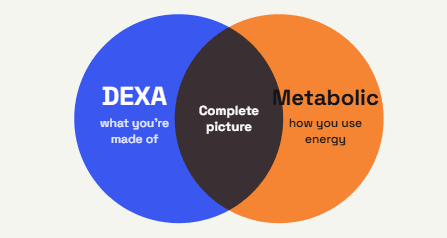
DEXA shows what your body is made of
- Fat mass
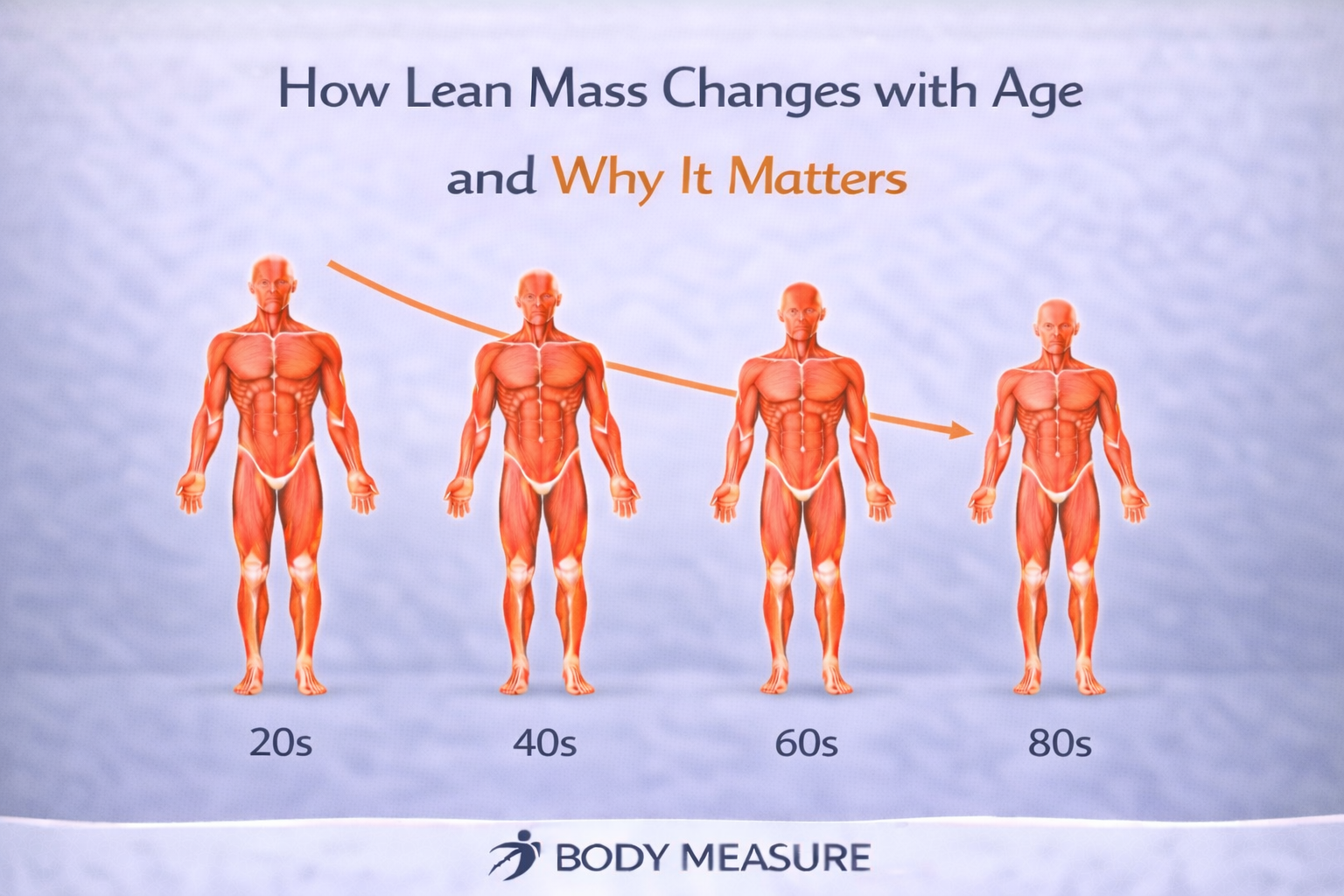
- Lean muscle mass
- Visceral fat
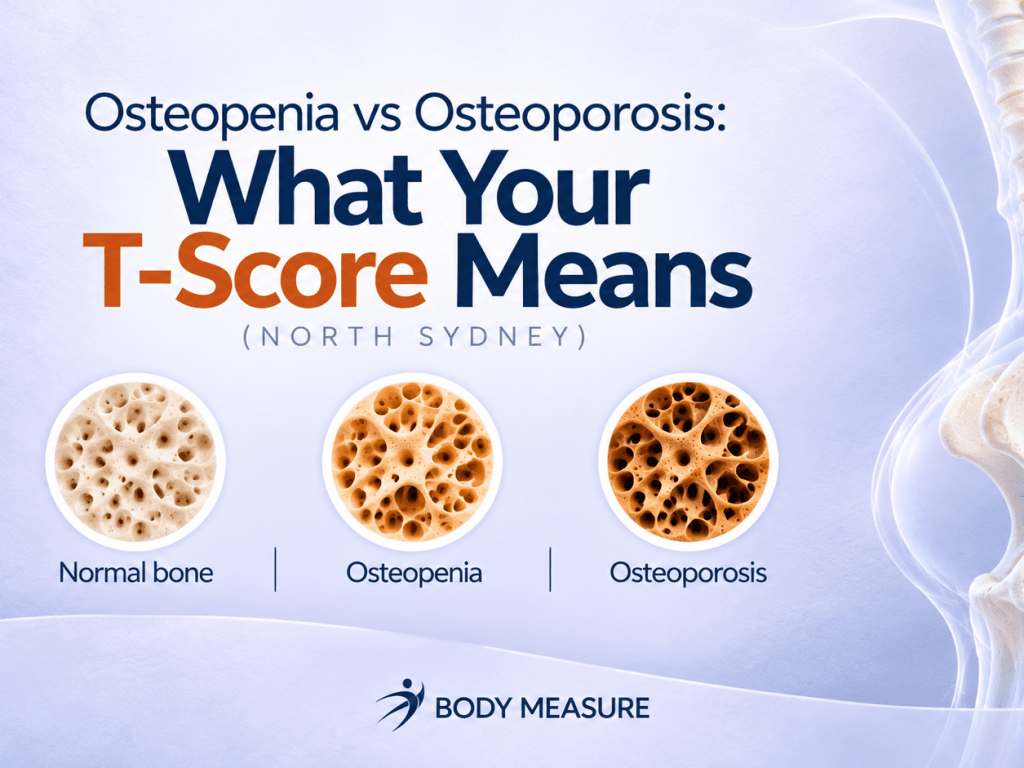
- Bone mass
Metabolic testing shows how you use energy
- Resting metabolic rate (calories burned at rest)
- Fuel utilisation (fat vs carbohydrate)
Together: a far clearer picture
See both sides of your body
Book DEXA body composition scanning with metabolic testing in Sydney, and make decisions from your own data, not averages.
PERSONALISED STRATEGY
How integrated testing supports personalised health strategies
Many programs rely on general guidelines. Integrated data shows whether your current approach matches how your body actually works.
01
Test both
DEXA body composition, plus resting metabolic rate and fuel use.
02
Read together
Body structure and metabolism are interpreted side by side.
03
Personalise
Training and nutrition choices based on your data, not trial and error.
04
Retest
Repeat every 8 to 12 weeks to see structural and metabolic change.
WHO BENEFITS
Who benefits most from integrated testing
Many programs rely on general guidelines. Integrated data shows whether your current approach matches how your body actually works.
Body composition goals
Track fat loss and muscle gain precisely, and see why strategies are working or why progress has slowed.
Athletes and performance-focused
Understand body composition and metabolic efficiency to optimise training, recovery and nutrition.
Weight loss plateaus
Metabolic testing can reveal whether energy expenditure is lower than expected.
Long-term health monitoring
Track visceral fat, lean mass and metabolic rate over time to see how lifestyle changes affect wellbeing.
FAQS
Your questions, answered
Where can I get metabolic testing and a DEXA scan together in Sydney?
Body Measure’s St Leonards clinic provides integrated testing that combines DEXA body composition scanning with metabolic assessments such as resting metabolic rate testing, so you understand both how your body is structured and how it uses energy.
What is the difference between metabolic testing and a DEXA scan?
A DEXA scan measures body composition: fat mass, lean mass, visceral fat and bone mass. Metabolic testing measures how the body uses energy, including calories burned at rest and how efficiently it uses fat or carbohydrates as fuel. Together they give a more complete picture.
How accurate is resting metabolic rate testing?
RMR testing is considered one of the most accurate ways to measure daily energy expenditure at rest. Unlike estimated calorie formulas, it measures oxygen consumption to determine how many calories the body actually burns at rest, giving a more personalised view of energy needs.
Do I need to prepare for metabolic testing?
Preparation is generally simple. Clients are typically advised to avoid exercise, caffeine and large meals for a period before the test so results are accurate. Specific instructions are provided when you book.
How often should testing be repeated?
For most people, every 6 to 8 weeks allows enough time for meaningful changes in body composition and metabolic function, so results reflect genuine change rather than short-term variation.
Can metabolic testing explain why I'm not losing weight?
Yes. In some cases it can show that your resting metabolic rate is lower than expected, which can explain why standard calorie targets or diet plans aren’t producing results. Knowing your rate lets you make more informed adjustments.
One measurement is never the whole story.
Measure both the structure of your body and how it uses energy, and base your training, nutrition and long-term health decisions on objective data.