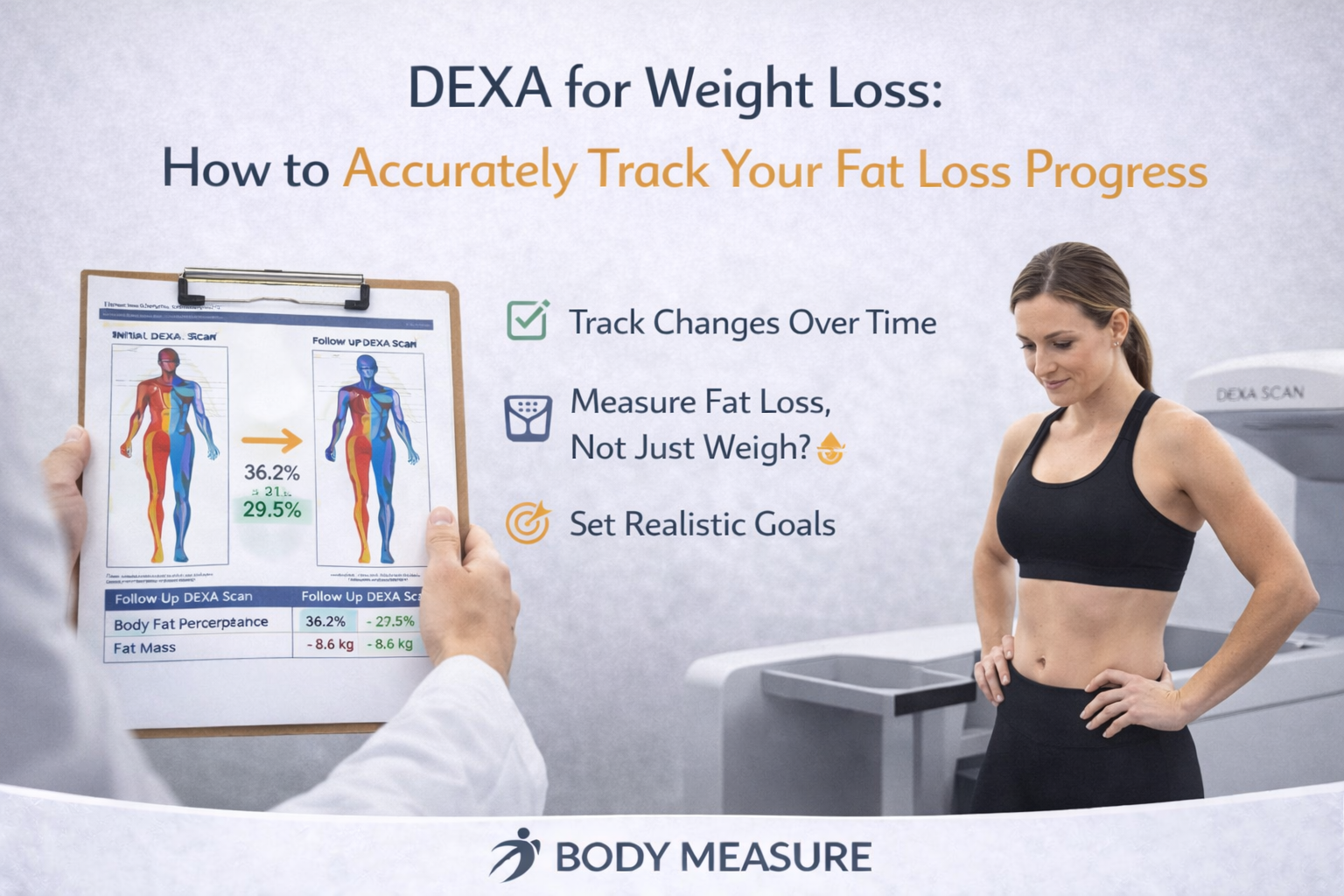

Menopause can change your bones, too.
During menopause, failing estrogen doesn’t just affect periods, temperature or mood. It can also affect the strength and density of your bones.

What happens to your bones during menopause?
Your bone health is only part of the menopause picture.
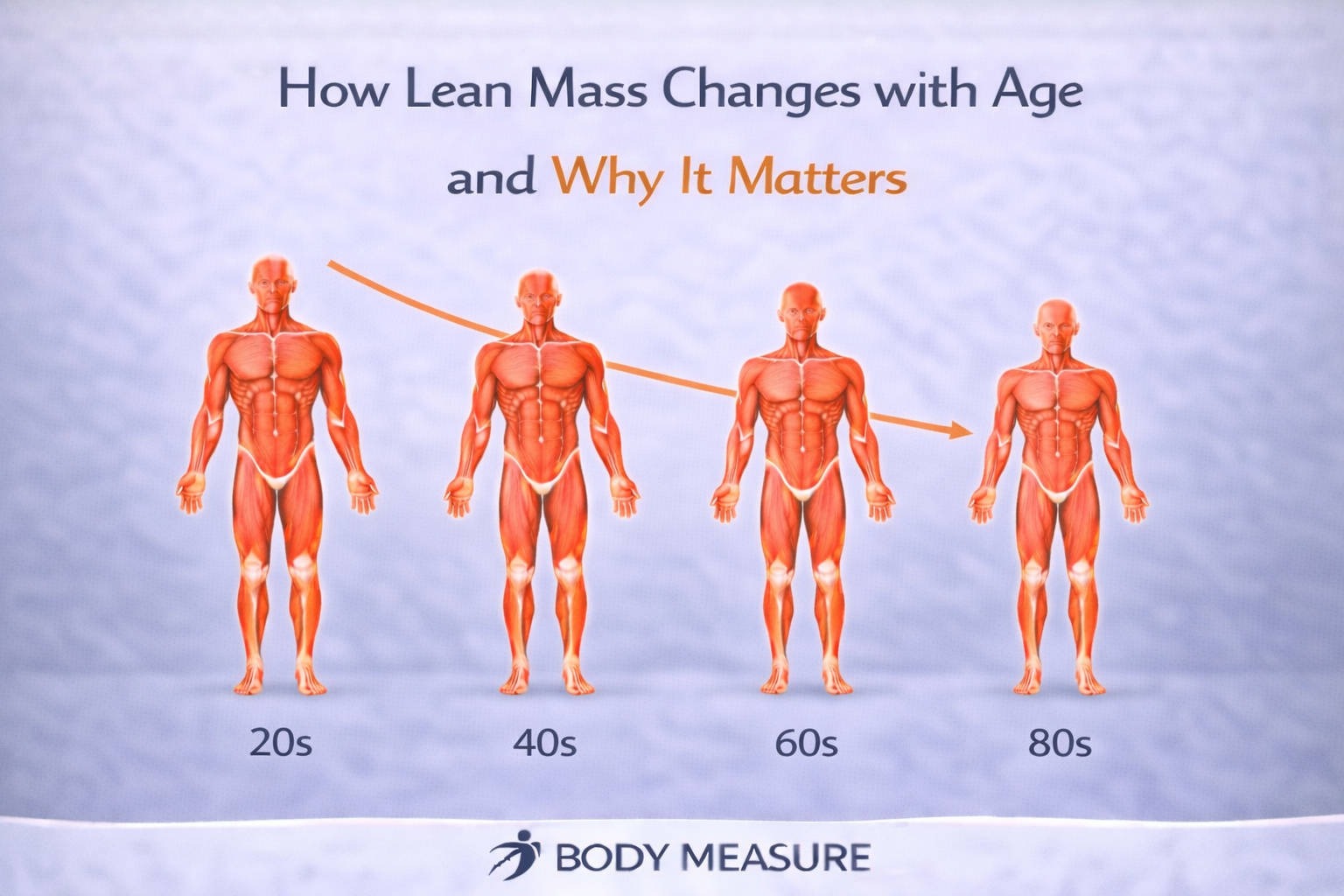
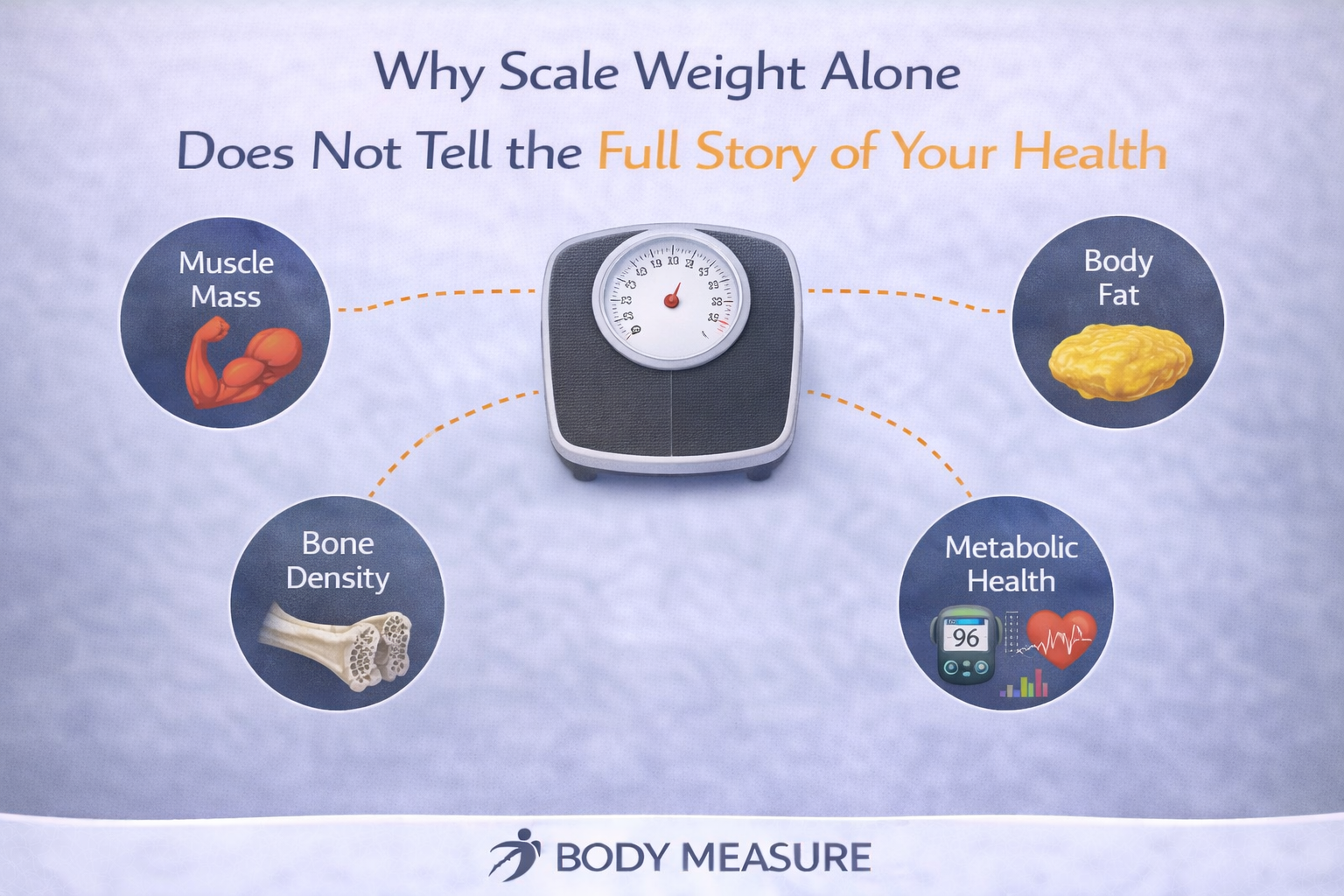
Menopause can affect your bones, muscle, body composition and metabolism. Menopause Mastery brings your testing and expert guidance together into a personalised program designed to support you through these changes.
Are you paying attention to these factors?
Early Menopause
Family History
Low Calcium or Vitamin D
Low Physical Activity
Smoking & Alcohol
Certain medications or conditions
So, how do you know what's happening?
Measure it.
A Bone Mineral Density (BMD) scan measures your bone density and can help identify whether it is within the normal range or has reached levels associated with osteopenia or osteoporosis. BMD commonly assesses areas including the hip and spine.
BMD can help you understand:
-
Bone Density
Know your current measurement. -
T-score
See how your bone density compares with a healthy young adult. -
Z-score
See how your bone density compares against people your own age. -
Bone Health Risk
Identify low bone density that may warrant medical follow-up. -
Your Baseline
Have a measurement to discuss with your healthcare professional and compare over time.
Your bones are only part of the menopause picture.
Understand more than bone density with our range of tests and support services.
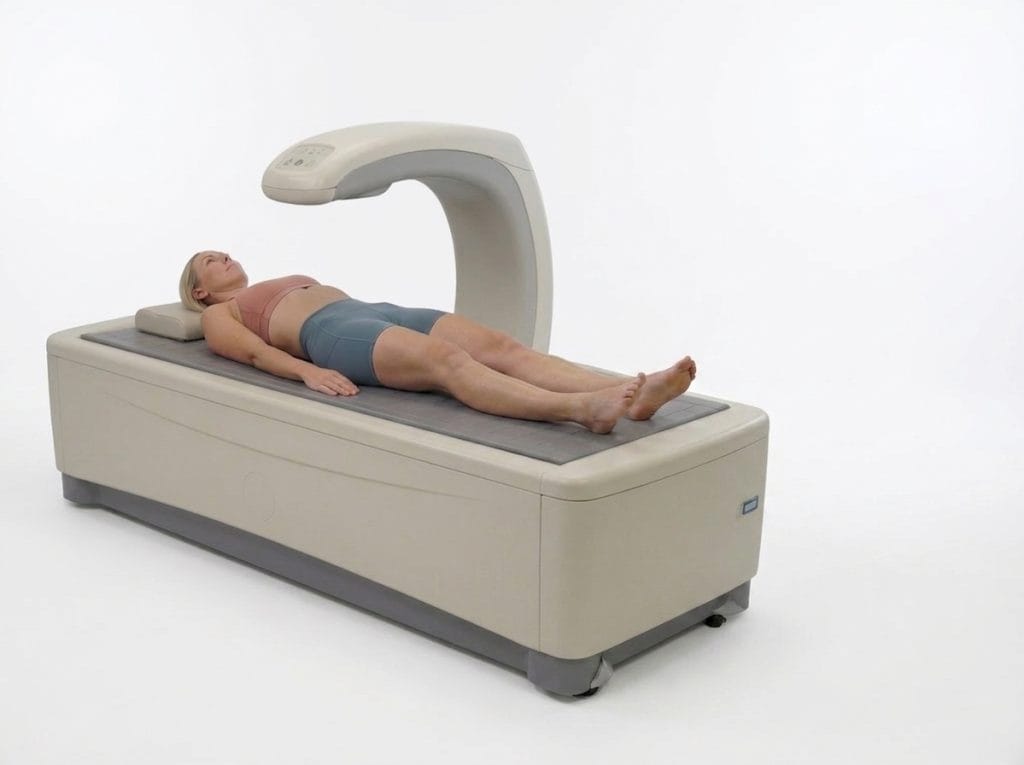
DEXA
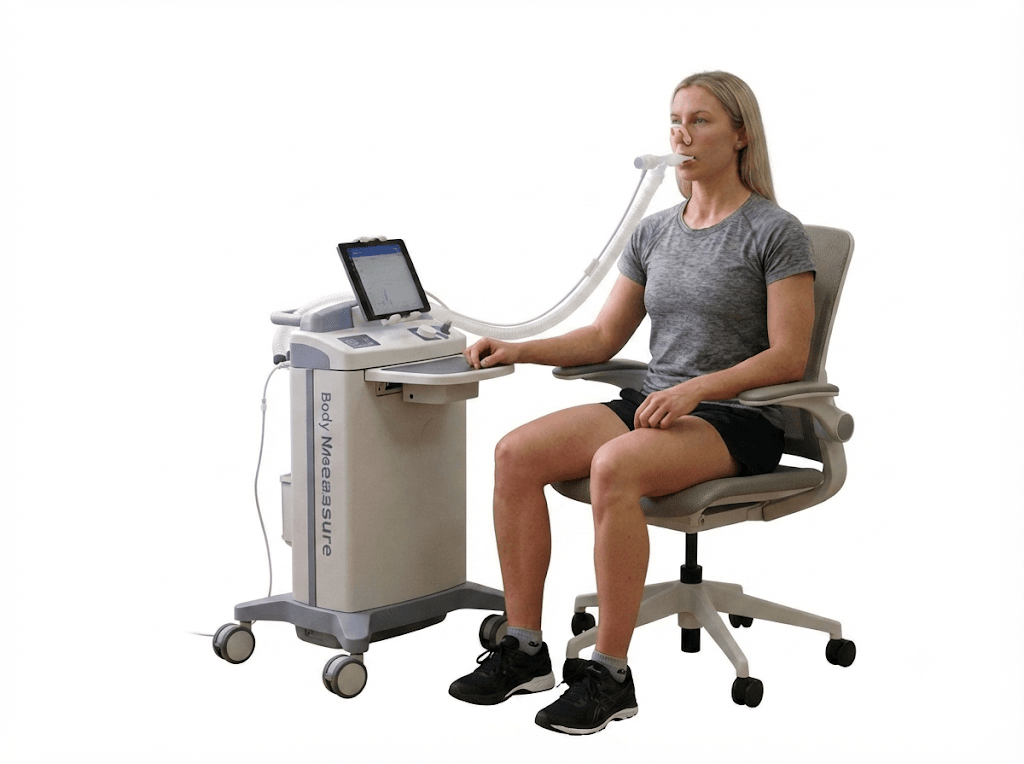
Metabolic
Testing

Macros
Blood & Hormone Testing
DNA Testing
Menopause & Bone Health FAQs
Estrogen helps protect bone strength. During menopause, oestrogen levels decline, which can accelerate bone loss and increase the risk of developing low bone density over time.
Yes. Low bone density can develop without obvious symptoms, so you may feel healthy and strong without knowing your bone density has changed. A Bone Mineral Density (BMD) scan can help identify low bone density before a fracture occurs.
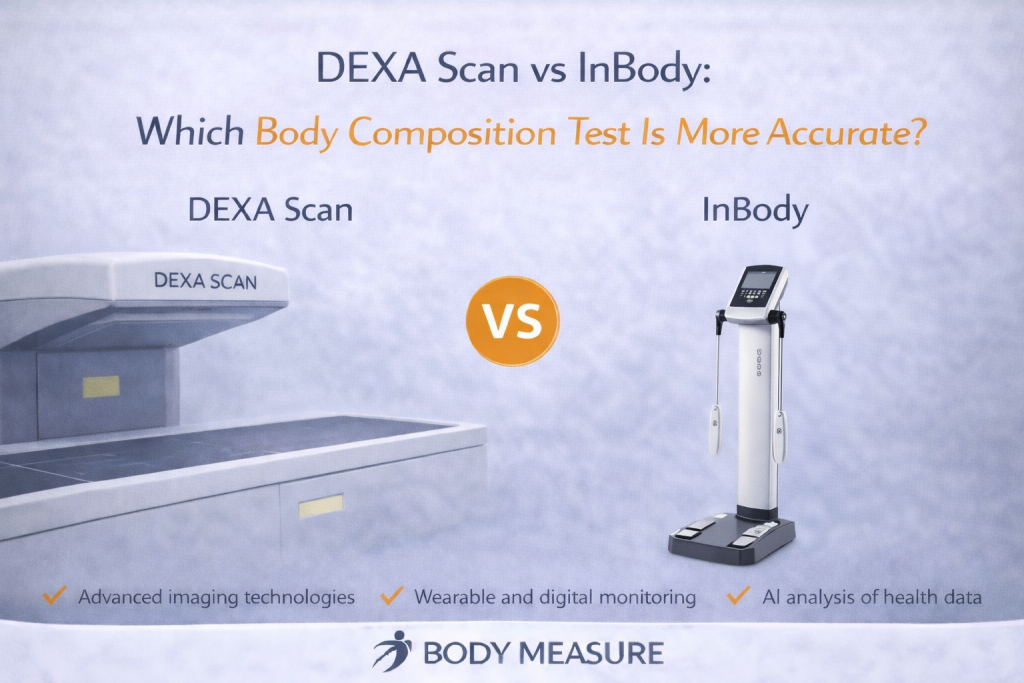
A DEXA body composition scan measures body fat, lean muscle, visceral fat and the mass of your skeleton. A dedicated BMD scan measures bone mineral density, typically at the hip and spine, to assess whether there is bone thinning, such as osteopenia or osteoporosis.
Yes. At Body Measure, BMD can be paired with other services such as DEXA body composition, Metabolic Testing and Macros to give you a broader picture of your bone health, muscle, body composition and metabolism through menopause.
Body Measure provides Bone Mineral Density testing in Sydney at our St Leonards clinic on the Lower North Shore, located at Unit 4/38–46 Albany Street, St Leonards NSW 2065.