
Body Recomposition: How to Build Muscle and Lose Fat with DEXA Scan Insights
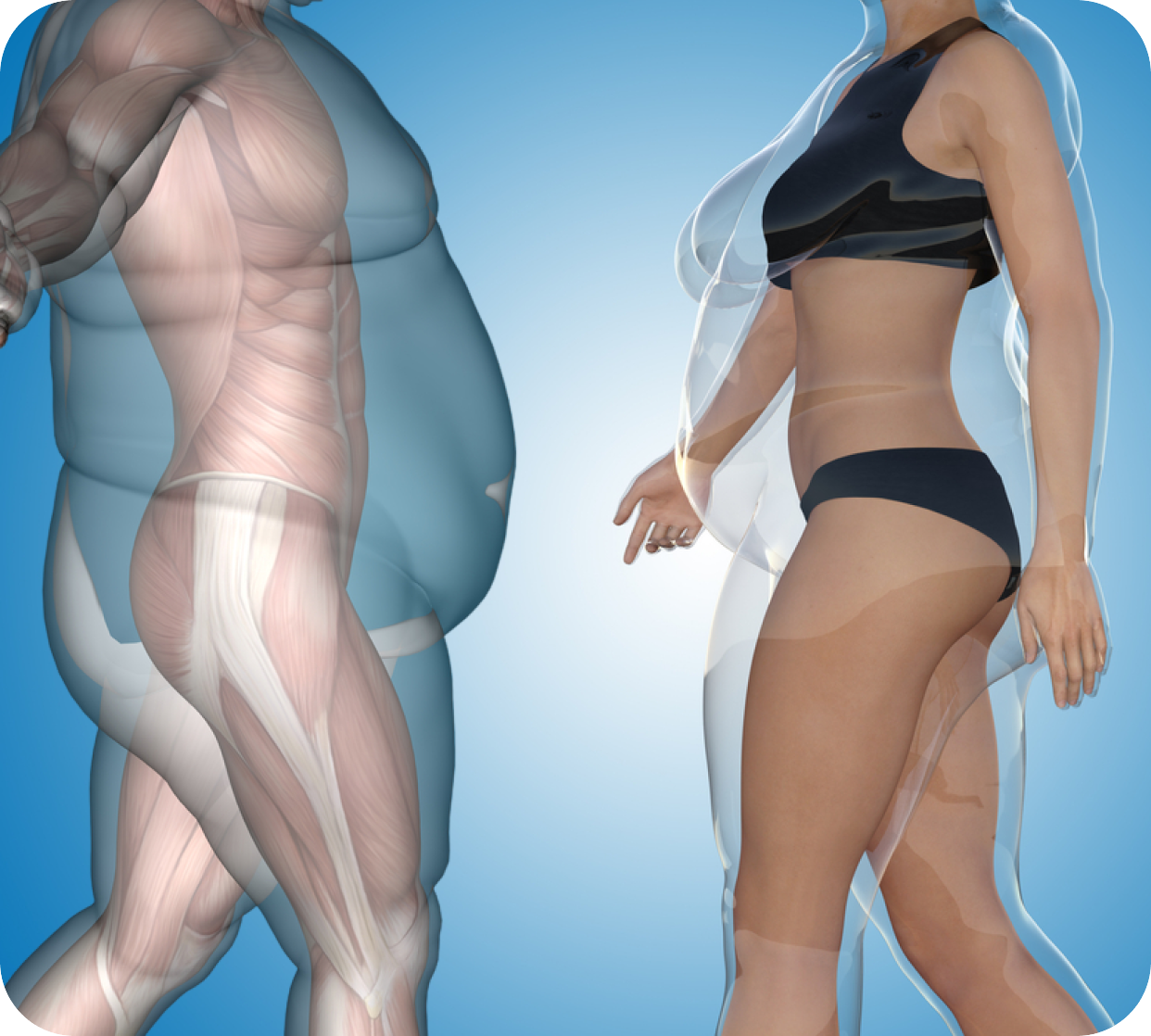
Body recomposition is often considered the “holy grail” of fitness. It is the process of simultaneously reducing body fat while increasing lean muscle mass. Traditionally, many believed that these two goals had to be pursued in distinct phases: a “bulk” to gain muscle and a “cut” to lose fat. However, contemporary sports science and metabolic […]
How Often Should You Get a DEXA Scan to Track Your Fitness Goals?

Achieving a significant transformation in body composition is a process of fine-tuning biological variables. While the desire for immediate feedback is natural, tracking progress too frequently can lead to “noise” in the data, while waiting too long can result in months of wasted effort on an ineffective program. A DEXA body composition scan provides the […]
Visceral Fat: The Hidden Health Risk and How DEXA Scans Can Detect It
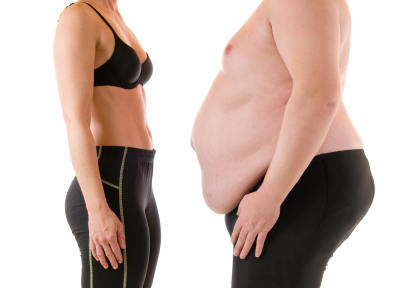
Not all body fat carries the same health risk. While subcutaneous fat sits beneath the skin and is often the focus of aesthetic goals, visceral fat is stored deep within the abdominal cavity, surrounding vital organs such as the liver, pancreas and intestines. This type of fat is far less visible, yet far more closely […]
5 Common Myths About Bone Density and Osteoporosis Debunked
Bone density and osteoporosis are often surrounded by confusion, misinformation and unnecessary fear. Many people believe bone loss only becomes relevant later in life, or that symptoms will appear early enough to prompt action. In reality, changes in bone density often occur silently and are frequently misunderstood. For post-menopausal women in particular, understanding bone health […]
Tracking Your Fitness Progress with DEXA: A Guide for Athletes and Gym-Goers

For athletes and regular gym-goers, tracking fitness progress can be surprisingly frustrating. Many people rely on body weight, mirror checks or basic measurements, only to feel stalled or confused when results do not match the effort being put in. The problem is not a lack of progress, but the way progress is being measured. Training […]
Nutrition for Stronger Bones: What to Eat for Better Bone Density

Nutrition plays an important role in supporting bone health, yet it is often oversimplified or misunderstood. Many people associate strong bones with calcium alone, without recognising that bone density is influenced by a combination of nutrients working together over time. This can lead to confusion, unrealistic expectations or a belief that dietary changes produce rapid […]
T-Scores and Z-Scores Explained: Interpreting Your Bone Density Scan
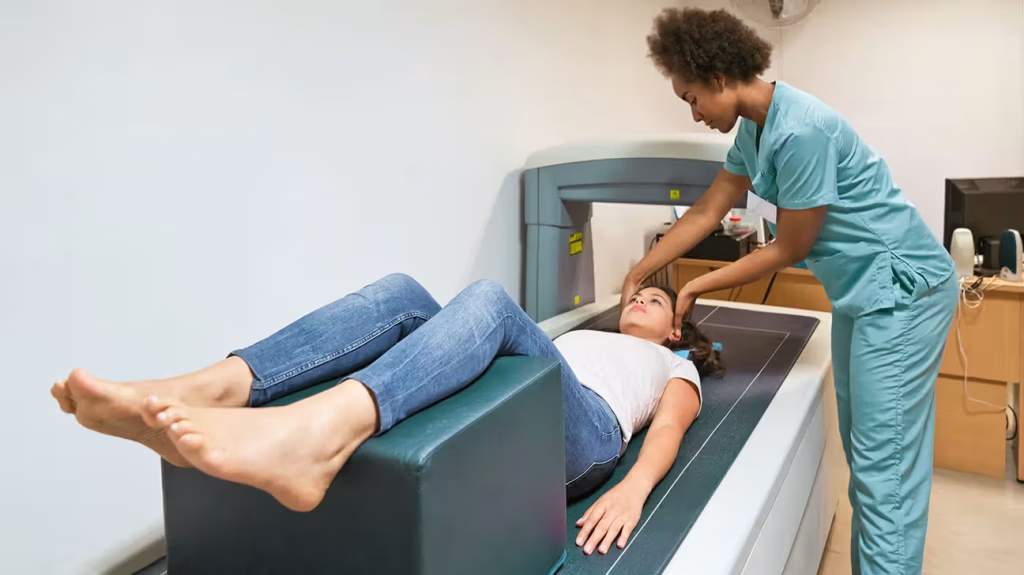
Receiving a bone density report can be confusing, particularly when it includes unfamiliar terms such as T-scores and Z-scores. Many people are told their results are “normal” or “low” without fully understanding what those numbers actually mean or how they relate to bone health over time. Bone density is commonly assessed using a Bone Mineral […]
Understanding Your DEXA Scan Results: A Comprehensive Guide

A DEXA scan provides detailed and highly accurate information about your body composition, but the value of that information depends on how well it is understood. Many people receive their DEXA results and focus on a single number, such as body fat percentage or weight, without fully understanding what the full report is showing. This […]
How DEXA Scans Work: The Science Behind the Gold Standard in Body Composition
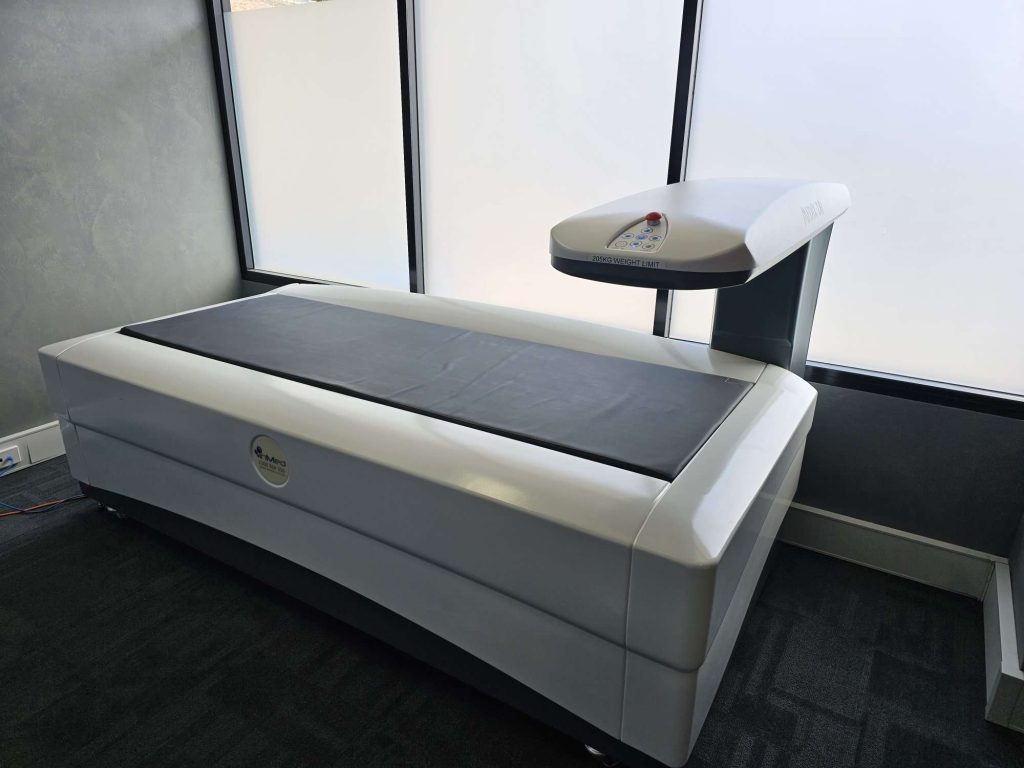
Understanding your body composition starts with understanding how it is measured. While many tools claim to assess body fat or muscle mass, very few explain the science behind how those numbers are generated. This is where DEXA scanning stands apart. Rather than relying on estimates or predictive formulas, DEXA uses clinically validated imaging technology to […]
DEXA vs BMI, BIA and Skinfolds: Which Body Composition Test Is Most Accurate?
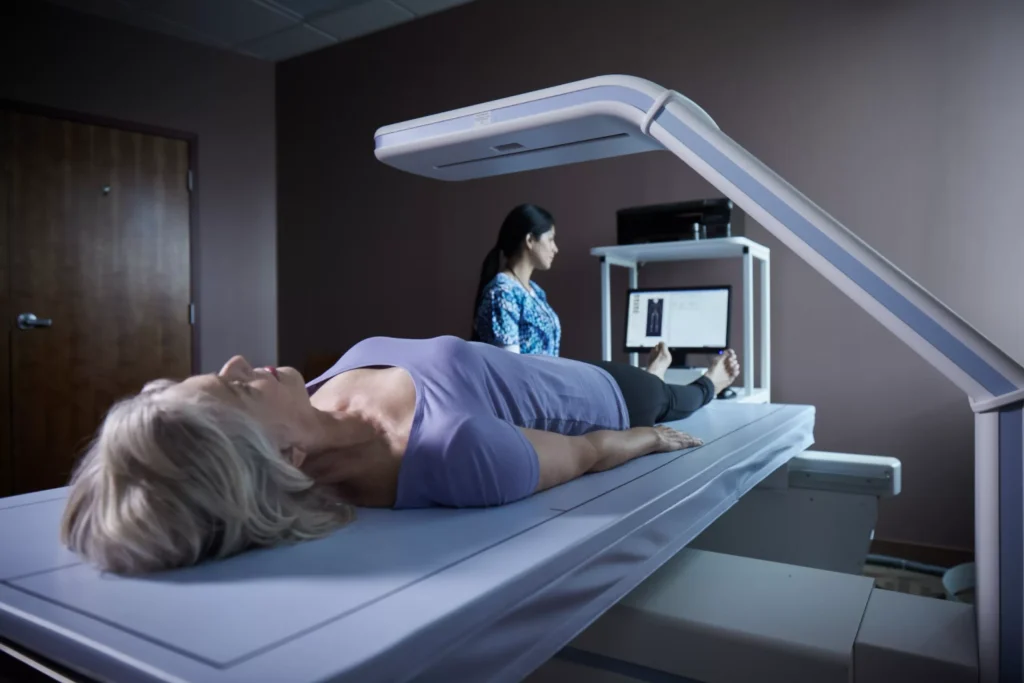
Tracking your health or fitness progress requires more than watching the number on the scale. Two people can weigh the same but have completely different levels of fat, muscle and bone mass. This is why body composition testing has become so important. Yet with multiple testing methods available, it can be difficult to know which […]