Body recomposition is often considered the “holy grail” of fitness. It is the process of simultaneously reducing body fat while increasing lean muscle mass. Traditionally, many believed that these two goals had to be pursued in distinct phases: a “bulk” to gain muscle and a “cut” to lose fat. However, contemporary sports science and metabolic research have proven that with the right stimulus and nutritional support, the body can achieve both at once.
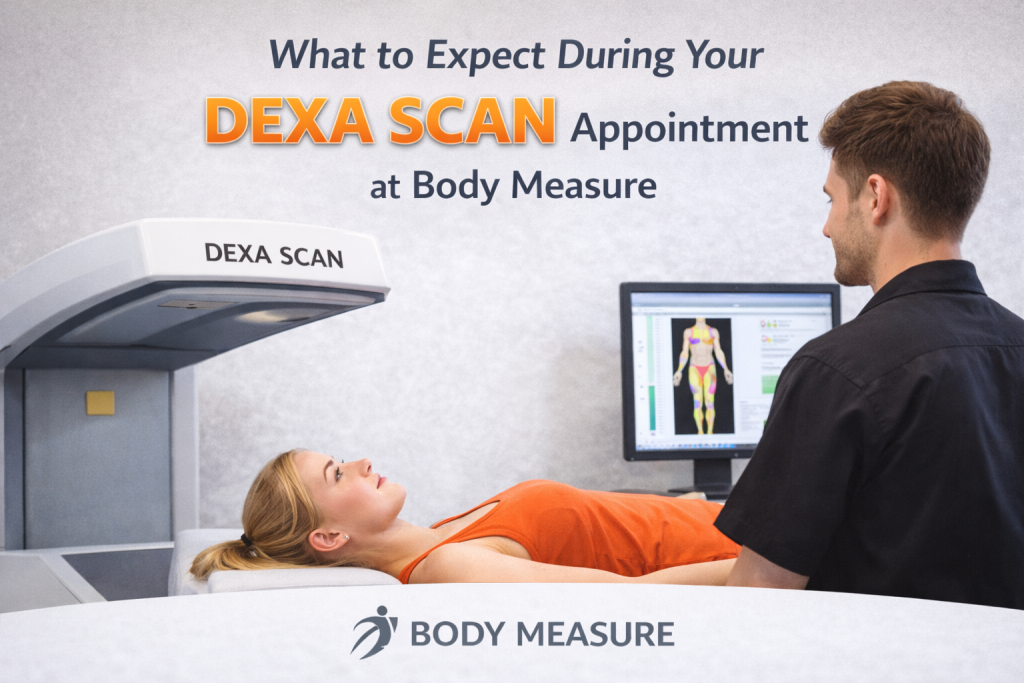
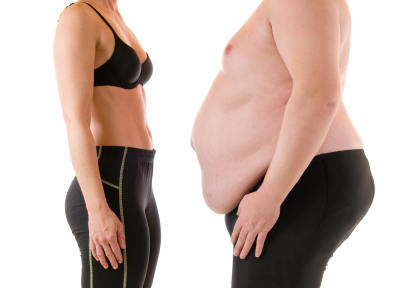
The primary challenge of body recomposition is that progress is rarely reflected on a standard bathroom scale. Because muscle is significantly denser than fat, your total body weight may remain unchanged—or even increase—while your physique and health markers improve dramatically. For those in Sydney seeking to navigate this process, a DEXA body composition scan provides the objective data required to ensure you are actually building muscle rather than simply fluctuating in water weight or losing valuable lean tissue.
Key Takeaways
- Beyond the Scale: Body recomposition focuses on changing your fat-to-muscle ratio, rendering total body weight an unreliable metric for progress.
- Precision Tracking: A DEXA body composition scan is the gold standard for measuring regional fat distribution and lean muscle mass changes to the gram.
- Nutritional Balance: Successful recomposition requires a high-protein diet paired with a maintenance or slight calorie deficit.
- Stimulus Matters: Progressive resistance training is non-negotiable to signal the body to retain and build muscle tissue.
- Bone Health: While tracking muscle and fat, DEXA also monitors bone mass, ensuring that your training and diet support skeletal integrity.
Summary Table: Weight Loss vs. Body Recomposition
| Feature | Traditional Weight Loss | Body Recomposition |
| Primary Goal | Reduction in total body weight | Improved muscle-to-fat ratio |
| Caloric Approach | Large calorie deficit | Maintenance or slight deficit |
| Exercise Focus | Often heavy cardio-based | Prioritises resistance training |
| Tracking Metric | Bathroom scale / BMI | DEXA scan (Lean Mass & Fat Mass) |
| Metabolic Impact | Can risk slowing metabolism if muscle is lost | Typically increases Basal Metabolic Rate (BMR) |
The Science of Simultaneous Change
Body recomposition relies on two biological processes occurring in tandem: fat loss (lipolysis) and muscle growth (muscle protein synthesis). To lose fat, the body must be in a state where it uses stored energy. To build muscle, it requires a stimulus (strength training) and sufficient building blocks (amino acids from protein).
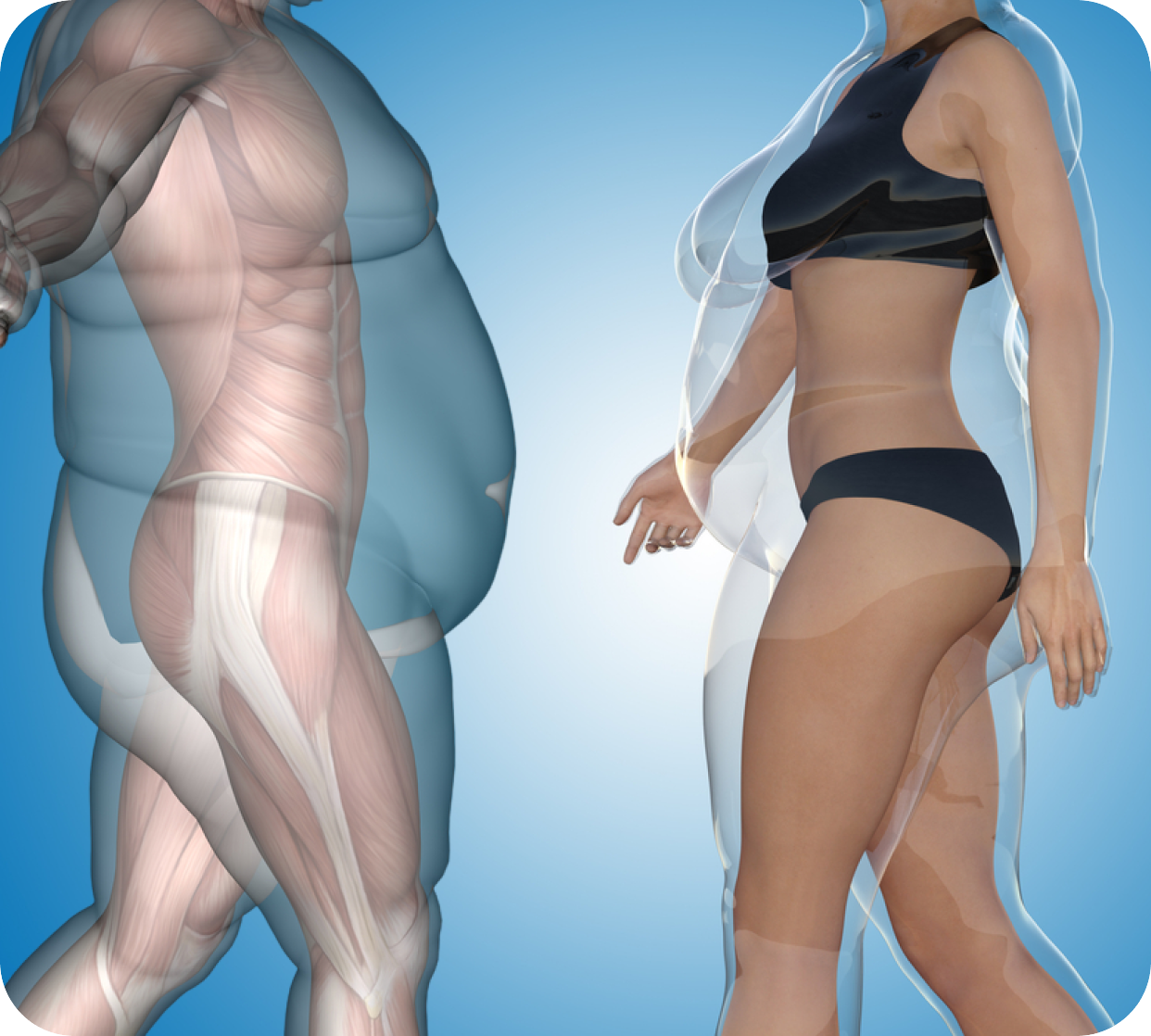
At Body Measure, we utilise DEXA technology to move beyond the limitations of Body Mass Index (BMI). While a BMI calculation only considers height and weight, a DEXA scan distinguishes between:
- Fat Mass: Total body fat, including subcutaneous fat and visceral fat (the high-risk fat stored around internal organs).
- Lean Mass: The weight of your muscles, organs, and body water.
- Bone Mass: The actual weight of your skeleton.
By identifying these distinct compartments, we can confirm if your “weight maintenance” is actually a successful recomposition phase where you have lost 2kg of fat and gained 2kg of muscle.
Why DEXA is Vital for Recomposition
Standard methods like skinfold calipers or bioelectrical impedance (BIA) scales often have high margins of error and cannot accurately measure internal changes. A DEXA body composition scan provides a regional breakdown, allowing you to see exactly where you are gaining muscle—be it your arms, legs, or trunk.
Furthermore, it is important to distinguish a body composition scan from a medical Bone Mineral Density (BMD) exam. While our scans provide a measure of bone mass as part of the total body profile, a medical BMD exam is a specific diagnostic tool used to screen for osteoporosis or fracture risk, usually focused on the hip and spine. Body Measure provides detailed body composition insights for health and performance, operated privately without Medicare billing.
Nutrition and Training for Recomposition
To achieve body recomposition, your strategy must be more nuanced than simple calorie restriction.
High Protein Intake
Protein is the most critical macronutrient for preserving lean mass during fat loss. For most individuals undergoing recomposition, a protein target of 1.6 to 2.2 grams per kilogram of body weight is recommended. This provides the necessary amino acids to repair and build muscle tissue even when calories are controlled.
The Role of Resistance Training
Without the stimulus of lifting weights, the body has no reason to maintain muscle mass in a calorie-controlled environment. Progressive overload—gradually increasing the weight, frequency, or number of repetitions in your strength routine—is the primary driver of the muscle-building half of the recomposition equation.
Metabolic Testing
To truly personalise this process, understanding your specific Basal Metabolic Rate (BMR) is essential. Body Measure offers metabolic testing to determine exactly how many calories your body burns at rest. This data, combined with DEXA insights, removes the guesswork from your nutrition plan.
Final Thoughts
Body recomposition is a marathon, not a sprint. It requires patience and a shift in mindset away from the number on the scale. By using the precision of a DEXA scan in our Sydney clinic, you gain the clarity needed to stay motivated, knowing that your hard work is resulting in a leaner, stronger, and more metabolically active body.
FAQs Answered:
How often should I get a DEXA scan for body recomposition? For those actively pursuing recomposition, we generally recommend scanning every 8 to 12 weeks. This timeframe is sufficient to see measurable changes in lean muscle tissue and fat distribution, allowing you to adjust your training and nutrition with precision.
Why is Body Measure a better choice than using a gym’s body composition scale? Standard gym scales (BIA) rely on electrical impedance, which is heavily influenced by your hydration, recent meals, and even skin temperature. These variables often lead to fluctuations that can mask your real progress. Body Measure provides medical-grade DEXA technology that directly measures your tissue density, offering a level of accuracy that gym equipment simply cannot match.
Can I achieve body recomposition without professional testing? While you can make progress, you are essentially “flying blind”. Without the data from a DEXA body composition scan, it is impossible to know if weight loss is coming from fat or valuable muscle tissue. Body Measure provides the objective proof you need to ensure your hard work is yielding the specific metabolic results you desire.
Is body recomposition possible for everyone? Yes, though the rate of change varies. Beginners often see rapid results, while experienced athletes require the granular data provided by Body Measure to identify small but significant shifts in muscle symmetry and regional fat loss that are invisible to the naked eye.
What is the difference between bone mass and bone mineral density (BMD)? Bone mass refers to the total weight of the minerals in your skeleton. Bone Mineral Density (BMD) measures how many grams of mineral are packed into a specific area of bone. While our body composition scans provide an overview of bone mass, a clinical BMD exam is a diagnostic tool for osteoporosis. Body Measure offers both services privately, ensuring a comprehensive view of your health without the need for a Medicare referral.
Do I need a referral to visit Body Measure in Sydney? No. Body Measure operates as a private specialist clinic. You do not need a GP referral to access our gold-standard technology. This allows you to take immediate control of your health journey without the wait times or restricted criteria of the public system.